Understanding Cancer Stages and Treatment Options: Your Comprehensive Guide
Explore different cancer stages, treatment options, and progression in this complete guide for patients seeking knowledge and support.
Last Updated On 17 April 20269m


Medical professional with 10+ years’ experience in diagnosis, patient care, and clinical leadership.
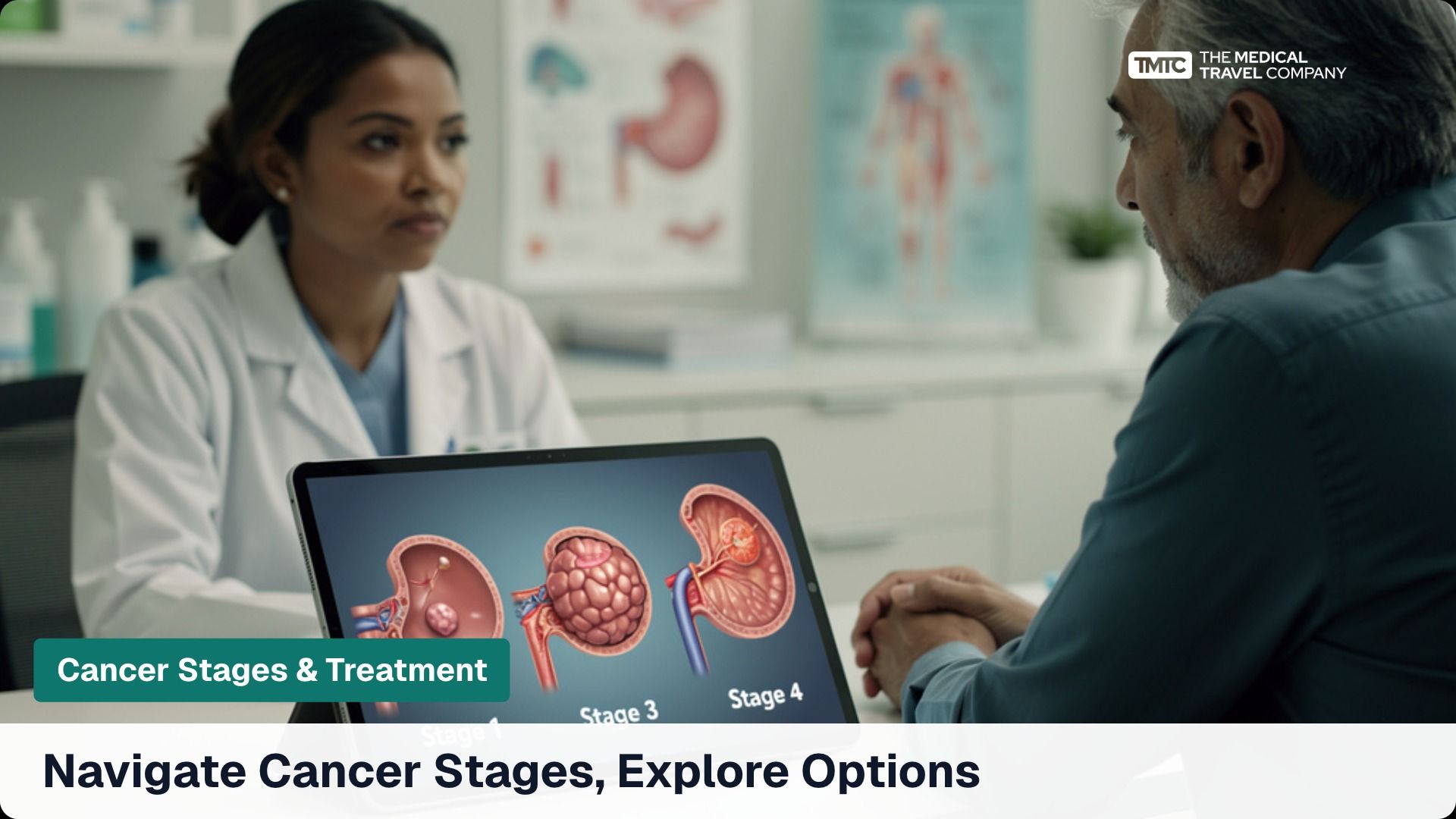
When you hear the words 'cancer stages,' your mind might immediately jump to worst-case scenarios. But understanding cancer staging isn't about fear—it's about knowledge that empowers you to make informed decisions about your care. Cancer staging is essentially a medical language that describes how far cancer has spread in your body, helping your medical team create the most effective treatment plan possible.
What Cancer Staging Really Means for Your Treatment
Cancer staging is a systematic way of describing the size of cancer and how far it has spread throughout your body. Think of it as a detailed map that shows your medical team exactly where they are and where they need to go. This information directly influences every treatment decision, from whether surgery is possible to which medications will work best for your specific situation.
The staging process involves multiple tests and examinations, including imaging scans, blood tests, and sometimes tissue biopsies. According to the National Cancer Institute, staging helps predict your prognosis and guides treatment planning by providing a standardised way for healthcare teams to communicate about cancer cases.
Your stage at diagnosis isn't set in stone—it can change as more information becomes available or if cancer progresses or responds to treatment. This is why you might hear terms like 'clinical staging' based on initial tests and 'pathological staging' based on surgical findings. For patients seeking expert guidance, specialised centres like those offering comprehensive cancer care can help you understand these nuances.
The TNM Staging System: Breaking Down the Medical Code
The TNM system is the most widely used cancer staging framework worldwide. Each letter represents a crucial piece of information about your cancer: T for tumor size and extent, N for nearby lymph nodes affected, and M for metastasis to distant parts of the body.
| Component | What It Measures | Example |
|---|---|---|
| T (Tumor) | Size and extent of main tumor | T1 = Small tumor, T4 = Large or invasive tumor |
| N (Nodes) | Spread to nearby lymph nodes | N0 = No nodes affected, N3 = Many nodes involved |
| M (Metastasis) | Spread to distant parts of body | M0 = No distant spread, M1 = Cancer has spread |
Each category receives a number or letter that becomes more serious as it increases. For example, T1N0M0 describes a small tumor that hasn't spread to lymph nodes or distant sites, while T3N2M1 indicates a larger tumor that has spread to multiple lymph nodes and distant organs. The SEER staging guide provides detailed criteria for how these classifications are determined across different cancer types.
Some cancers use specialised staging systems instead of or alongside TNM. Blood cancers like leukaemia often use different criteria, and brain tumors may be staged based on location and grade rather than spread. Your oncology team will explain which system applies to your specific cancer type.
Cancer Stages 1 Through 4: What Each Stage Actually Means
Cancer stages are typically numbered from 1 to 4, with stage 1 being the earliest and most localised, and stage 4 representing cancer that has spread to distant parts of the body. Understanding these stages helps you grasp both the current situation and potential treatment approaches.
Stage 1: Early and Localised Cancer
Stage 1 cancer means the tumor is small and confined to the organ where it started. There's no evidence of spread to lymph nodes or distant sites. This is often called 'early-stage' cancer, and it typically offers the best prognosis and most treatment options. Surgery alone might be curative, and survival rates are generally highest at this stage.
Stage 2 and 3: Regional Spread
Stage 2 cancers are larger than stage 1 but may still be confined to the original organ, or they might show minimal spread to nearby tissues or lymph nodes. Stage 3 indicates more extensive local or regional spread, often involving multiple lymph nodes or nearby structures. These stages typically require combination treatments such as surgery, chemotherapy, radiation, or newer approaches like targeted therapy options.
Stage 4: Metastatic Cancer
Stage 4 means cancer has spread to distant organs or parts of the body. This is also called metastatic cancer. While this sounds frightening, it's important to know that stage 4 doesn't mean hopeless. Many people with metastatic cancer live for years with good quality of life, and new treatments continue to improve outcomes.
The difference between stage 1 and stage 4 cancer isn't just about severity—it's about treatment approach. Stage 1 might focus on removing the cancer completely, while stage 4 treatment often emphasises controlling the disease, managing symptoms, and maintaining quality of life. According to Johns Hopkins Medicine, staging helps determine whether treatment goals are curative or focused on disease management.
How Cancer Progresses and What Influences Its Journey
Cancer progression isn't always predictable, but understanding the general pattern helps you make sense of your diagnosis and treatment plan. Cancer typically starts in one location and may spread through predictable pathways, though each person's experience is unique.
The progression from localised to metastatic disease usually follows these steps: cancer cells grow and multiply at the original site, invade nearby tissues, enter blood vessels or lymphatic channels, travel to distant organs, and establish new tumor sites. This process can take months, years, or sometimes decades, depending on the cancer type and individual factors.
Several factors influence how quickly cancer might progress. Your genetics play a role, including both inherited mutations and changes that occur over time. Lifestyle factors such as smoking, diet, and exercise can affect progression. The cancer's biological characteristics—including its grade and molecular features—also matter significantly. Most importantly, early detection and appropriate treatment can often slow or stop progression entirely.
The World Health Organization emphasises that cancer outcomes depend heavily on early detection and access to quality treatment. This is why understanding your cancer's stage and seeking expert care is so crucial for your long-term health outlook.
Treatment Options Across Different Cancer Stages
Your treatment options depend primarily on your cancer's stage, type, and your overall health. Modern cancer care offers multiple approaches that can be used alone or in combination to achieve the best possible outcomes.
| Treatment Type | Primary Uses | Common Stages |
|---|---|---|
| Surgery | Remove tumors, biopsy, staging | Stages 1-3, sometimes 4 |
| Chemotherapy | Destroy cancer cells throughout body | All stages |
| Radiation Therapy | Target specific cancer areas | Stages 1-4 |
| Targeted Therapy | Block specific cancer pathways | Advanced stages, specific mutations |
| Immunotherapy | Boost immune system response | Various stages, specific cancer types |
| Hormone Therapy | Block hormone-sensitive cancers | Hormone-receptor positive cancers |
Surgery remains the primary treatment for early-stage cancers when the tumor can be completely removed. For stages 2 and 3, you might receive chemotherapy or radiation before surgery to shrink the tumor, or after surgery to eliminate remaining cancer cells. Stage 4 treatment often focuses on controlling disease progression and maintaining quality of life.
Personalised treatment plans consider not just your cancer's stage but also its molecular characteristics.
Modern testing can identify specific genetic mutations in your tumor, allowing doctors to choose targeted therapies that work against your cancer's unique features. The BMJ Best Practice guidelines emphasise how molecular testing has revolutionised treatment selection for many cancer types.
For patients seeking comprehensive care, leading cancer centres provide access to the latest treatments and clinical trials. Centres offering specialised oncology services can provide personalised treatment plans that incorporate both standard therapies and emerging options tailored to your specific cancer stage and characteristics.
Common Misconceptions About Cancer Stages and Treatment
Many people hold misconceptions about cancer stages that can create unnecessary fear or lead to poor decisions. Let's address the most common myths with factual information.
One widespread myth is that stage 4 cancer is always terminal. While stage 4 is serious, many people live for years with metastatic cancer, and some achieve long-term remission. Treatment advances continue to improve outcomes even for advanced cancers. Another misconception is that cancer treatment is always painful or debilitating—modern supportive care has dramatically improved patients' quality of life during treatment.
Some people believe that cancer stage never changes, but this isn't true. Cancer can be 'upstaged' if more disease is found, or 'downstaged' if treatment shrinks tumors significantly. Additionally, the idea that natural treatments alone can cure cancer is dangerous—while supportive therapies can help manage side effects and improve well-being, proven medical treatments remain essential for cancer control.
Perhaps the most harmful myth is that seeking a second opinion shows distrust in your doctor. Actually, most oncologists encourage second opinions, especially for complex cases. Getting multiple expert perspectives helps ensure you're receiving the most appropriate care for your specific situation.
Patient Care Excellence
We provide world-class cancer care with personalised treatment plans tailored to each patient's unique needs and stage of disease. Our expert guidance ensures you receive the most appropriate and affordable healthcare options available.
Taking the Next Steps in Your Cancer Journey
Understanding your cancer stage is the foundation for making informed treatment decisions. Armed with this knowledge, you can work with your healthcare team to develop a treatment plan that aligns with your goals and values. Remember that cancer staging provides a roadmap, not a predetermined outcome.
If you've recently received a cancer diagnosis, focus on gathering accurate information from reliable sources and building a strong relationship with your medical team. Ask questions about your specific stage, treatment options, and prognosis. Don't hesitate to seek second opinions or explore treatment options at specialised centres that offer comprehensive cancer diagnosis and treatment services.
For patients considering treatment options abroad, experienced providers can offer access to advanced treatments at significantly reduced costs while maintaining the highest standards of care. The key is finding providers who offer seamless coordination and expert guidance throughout your treatment journey.
Your cancer stage is important information, but it's just one part of your overall health picture. With proper treatment and support, many people with cancer go on to live full, meaningful lives regardless of their initial stage at diagnosis.
References:
-
SEER Program: Comparative Staging Guide for Cancer- Comprehensive staging guidelines and criteria for major cancer sites
-
Johns Hopkins Medicine: Pancreatic Cancer Stages- Detailed explanation of cancer staging methodology and treatment implications
-
National Cancer Institute: Tumor Grade- Information on tumor grading systems and their role in treatment planning
-
BMJ Best Practice: Non-small Cell Lung Cancer- Evidence-based treatment guidelines and staging protocols
-
World Health Organization: Cancer- Global perspectives on cancer diagnosis, treatment, and prevention strategies
Related Articles


Ready to open the door to better health?