Top 10 Cancer-Fighting Foods Backed by Experts
Discover the top 10 cancer-fighting foods that can help in prevention and boosting immunity. Learn how to enhance your diet for better health.
Last Updated On 17 April 202611m


Medical professional with 10+ years’ experience in diagnosis, patient care, and clinical leadership.
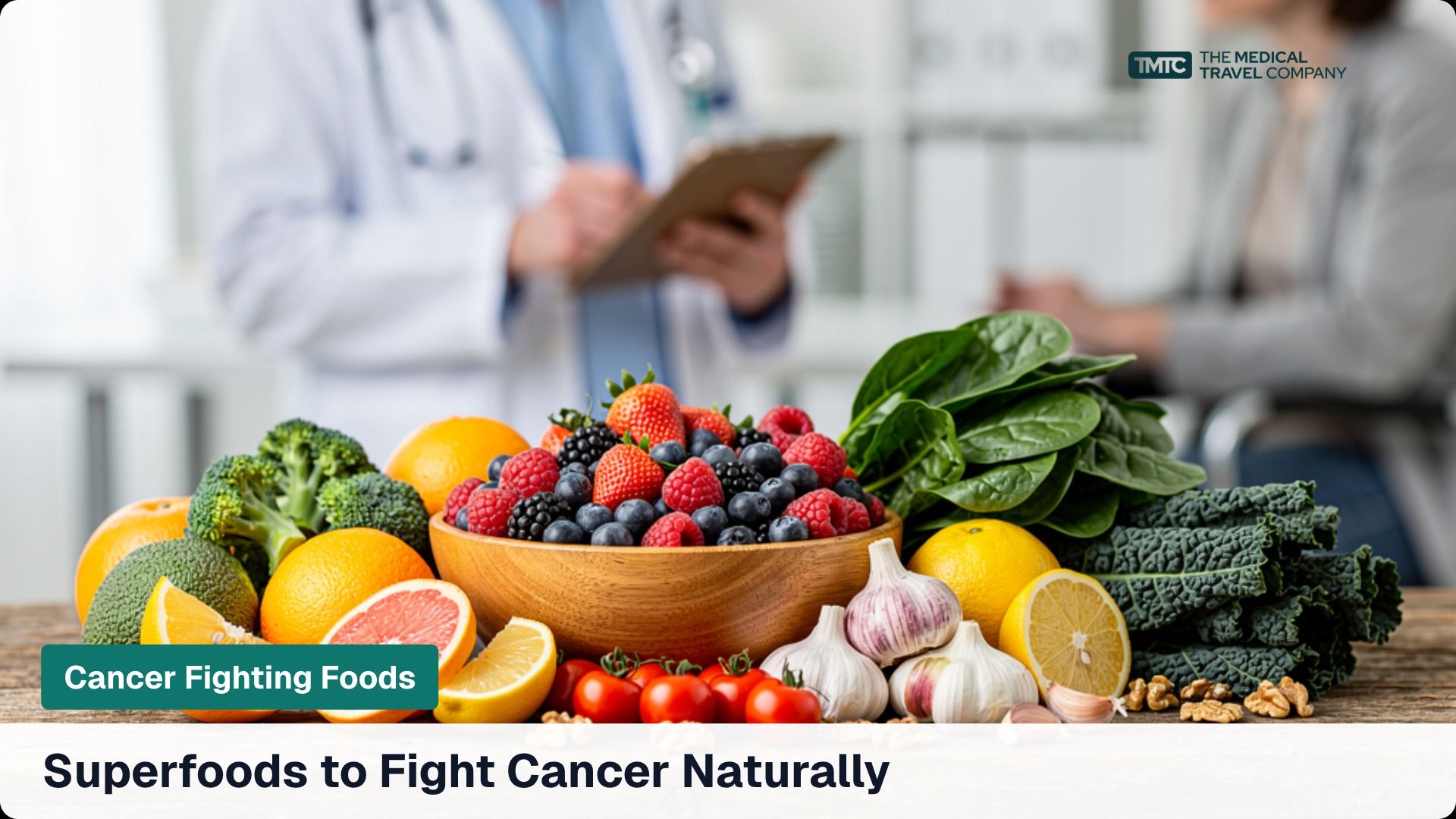
Cancer affects 1 in 5 men and 1 in 6 women worldwide, making prevention more critical than ever. While genetics play a role, diet and lifestyle factors can significantly impact your cancer risk. The good news? Simple changes to what you eat can provide powerful protection against cancer development.
Your daily food choices become your body's defense system. These 10 cancer-fighting foods contain compounds that neutralize harmful free radicals, support your immune system, and create an environment where cancer cells struggle to thrive. Let's explore how adding these nutrient powerhouses to your meals can help safeguard your health.
1. Berries: Nature's Antioxidant Powerhouses
Berries pack more cancer-fighting punch per bite than almost any other food. Their deep, vibrant colors signal high levels of anthocyanins and other antioxidants that actively protect your cells from damage.
Blueberries lead the pack with exceptional antioxidant levels. Studies show they help reduce inflammation and may slow the growth of certain cancer cells. Just one cup provides a day's worth of protective compounds.
Raspberries contain ellagic acid, a phytochemical that helps your body eliminate cancer-causing substances. They're also rich in fiber, which supports digestive health and may reduce colorectal cancer risk. Research suggests that natural antioxidants in berries play a significant role in cancer prevention.
Strawberries offer vitamin C and folate, both essential for DNA repair and immune function. Their sweet taste makes them an easy addition to breakfast, snacks, or desserts without adding processed sugar.
2. Leafy Greens: Your Daily Dose of Protection
Dark leafy greens deserve a permanent spot on your plate. They're loaded with vitamins A, C, and K, plus folate and iron that support cellular repair and immune function.
Spinach contains chlorophyll, which may help block the absorption of cancer-causing compounds in your digestive system. It's also rich in folate, essential for proper DNA synthesis and repair. The iron content supports healthy blood cell production.
Kale offers more vitamin C per serving than an orange, plus beta-carotene that your body converts to vitamin A. These nutrients work together to strengthen your immune system's ability to identify and eliminate abnormal cells.
Easy Ways to Add More Leafy Greens
- Blend spinach into smoothies for an undetectable nutrient boost
- Use kale as a salad base instead of iceberg lettuce
- Add collard greens to soups and stews for extra fiber
- Sauté mixed greens with garlic as a quick side dish
- Layer spinach or arugula on sandwiches and wraps
Collard greens excel at supporting your body's natural detoxification processes. They contain compounds that help your liver process and eliminate toxins more effectively.
3. Cruciferous Vegetables: The Ultimate Cancer Fighters
Broccoli, cauliflower, and Brussels sprouts belong to the cruciferous family, known for containing some of the most potent cancer-fighting compounds in the plant kingdom. These vegetables contain glucosinolates that break down into protective compounds when you chew them.
Broccoli contains sulforaphane, a compound that activates your body's natural defense systems against cancer. Studies suggest that eating non-starchy vegetables like cruciferous varieties can lower the risk of several types of cancer.
| Vegetable | Key Compound | Cancer-Fighting Benefit |
|---|---|---|
| Broccoli | Sulforaphane | Activates detox enzymes |
| Cauliflower | Indole-3-carbinol | Supports hormone metabolism |
| Brussels Sprouts | Isothiocyanates | Reduces inflammation |
| Cabbage | Glucosinolates | Protects DNA from damage |
Cauliflower provides indole-3-carbinol, which helps your body process hormones more effectively. This is particularly important for hormone-sensitive cancers like breast and prostate cancer.
Brussels sprouts might not be everyone's favorite, but their cancer-fighting potential is undeniable. They contain high levels of isothiocyanates, compounds that help prevent cancer cells from forming and spreading.
4. Garlic: Small Bulb, Big Benefits
Garlic has been treasured for its healing properties for thousands of years. Modern research confirms what traditional medicine has long known - this pungent bulb contains powerful compounds that fight cancer.
Allicin, the compound responsible for garlic's distinctive smell, becomes active when you crush or chop fresh garlic. Research shows that garlic consumption is associated with reduced risk of stomach and colorectal cancers.
Garlic also supports your immune system by enhancing the activity of white blood cells that fight infection and cancer. It has anti-inflammatory properties that help create an environment where cancer cells can't thrive. For those undergoing cancer treatment, understanding your options becomes crucial. Learning about advanced cancer care can help you make informed decisions about choosing the right cancer centre for personalised treatment plans.
To maximize garlic's benefits, crush or chop it and let it sit for 10 minutes before cooking. This allows allicin to form fully. Add it to stir-fries, roasted vegetables, or homemade salad dressings.
5. Tomatoes: Lycopene-Rich Protection
Tomatoes owe their vibrant red color to lycopene, one of nature's most powerful antioxidants. This carotenoid is particularly effective at protecting against prostate cancer, though it benefits overall health too.
Cooked tomatoes actually provide more available lycopene than raw ones. The heat breaks down cell walls, making this beneficial compound easier for your body to absorb. Tomato sauce, paste, and canned tomatoes are excellent sources.
Combining tomatoes with healthy fats like olive oil further increases lycopene absorption. This makes Mediterranean-style dishes with tomatoes, olive oil, and herbs both delicious and protective.
Beyond lycopene, tomatoes provide vitamin C, potassium, and folate. They support heart health and may help regulate blood pressure. For men concerned about prostate health, understanding early detection becomes important. You can learn more about prostate cancer symptoms and diagnosis to stay proactive about your health.
6. Nuts and Seeds: Concentrated Nutrition
Don't let their small size fool you. Nuts and seeds pack impressive amounts of healthy fats, protein, fiber, and cancer-fighting compounds into every serving.
Walnuts stand out for their omega-3 fatty acids, which have anti-inflammatory properties. Studies suggest regular walnut consumption may slow the growth of certain tumors and support overall immune function.
Best Nuts and Seeds for Cancer Prevention
- Walnuts - Rich in omega-3s and antioxidants
- Chia seeds - High in fiber and alpha-linolenic acid
- Flaxseeds - Contain lignans that may protect against hormone-sensitive cancers
- Almonds - Provide vitamin E and healthy monounsaturated fats
- Pumpkin seeds - Rich in zinc for immune support
Chia seeds might be tiny, but they're nutritional powerhouses. Just two tablespoons provide significant fiber, protein, and omega-3s. They absorb liquid to form a gel-like texture, making them perfect for puddings and smoothies.
Flaxseeds contain lignans, plant compounds that may help protect against hormone-sensitive cancers. Ground flaxseed is easier to digest than whole seeds. Add it to oatmeal, yogurt, or baked goods for a nutty flavor boost.
7. Whole Grains: Fiber for Protection
Whole grains provide fiber, B vitamins, and antioxidants that support digestive health and may reduce cancer risk. Unlike refined grains, they keep their nutrient-rich bran and germ intact.
Quinoa offers complete protein with all essential amino acids, making it excellent for vegetarians. It cooks quickly and has a mild, nutty flavor that works in both savory and sweet dishes.
Brown rice contains more fiber and antioxidants than white rice. The fiber helps maintain healthy gut bacteria, which play important roles in immune function and may influence cancer risk.
Oats provide beta-glucan, a type of soluble fiber that supports heart health and helps regulate blood sugar. Steel-cut oats retain more nutrients than instant varieties and provide sustained energy throughout the morning.
8. Beans and Legumes: Plant-Based Protein Power
Beans and legumes offer an impressive combination of protein, fiber, and phytochemicals. They're particularly beneficial for digestive health and may help reduce colorectal cancer risk.
| Legume | Protein per Cup | Special Benefits |
|---|---|---|
| Lentils | 18g | High in folate for DNA repair |
| Chickpeas | 15g | Rich in fiber and iron |
| Black beans | 15g | Contain anthocyanins like berries |
| Kidney beans | 16g | High in antioxidants |
Lentils cook quickly compared to other legumes and don't require soaking. They're rich in folate, essential for proper DNA synthesis and repair. Red lentils break down during cooking, making them perfect for thick soups and curries.
Chickpeas provide steady energy thanks to their protein and fiber combination. They help maintain stable blood sugar levels and keep you feeling satisfied longer.
Black beans contain anthocyanins, the same antioxidants found in berries. These compounds give black beans their dark color and provide additional cancer-fighting benefits. When dealing with urological cancers, early detection makes a significant difference. Understanding kidney cancer symptoms and staging can help you seek timely medical attention.
9. Citrus Fruits: Vitamin C Champions
Citrus fruits deliver vitamin C along with flavonoids, compounds that enhance the vitamin's cancer-fighting effects. These fruits support immune function and help your body produce collagen for tissue repair.
Oranges provide more than just vitamin C. They contain limonene in their peels, a compound that may help prevent certain types of cancer. The white pith under the peel contains additional flavonoids, so don't remove it all.
Lemons support your body's natural detoxification processes. Starting your day with warm lemon water may help stimulate digestive function and provide a gentle vitamin C boost.
Grapefruits offer lycopene similar to tomatoes, especially pink and red varieties. They also provide fiber and potassium. The pectin in citrus fruits helps maintain healthy cholesterol levels and supports digestive health.
10. Green Tea: Antioxidants in Every Sip
Green tea contains catechins, particularly EGCG (epigallocatechin-3-gallate), which shows promise in laboratory studies for preventing cancer cell growth. Harvard research highlights green tea among superfoods that support overall health.
To maximize green tea's benefits, brew it properly. Water that's too hot can destroy beneficial compounds. Steep green tea in water heated to 160-180°F for 3-5 minutes.
If you're sensitive to caffeine, try white tea, which contains similar antioxidants with less caffeine. Matcha powder provides concentrated green tea benefits since you consume the entire leaf.
Consider replacing sugary drinks with green tea throughout the day. Cold-brewed green tea offers a refreshing alternative with a smoother, less bitter taste.
Building Your Cancer-Fighting Diet
The key to cancer prevention isn't about eating one "superfood" but creating a diverse diet rich in protective compounds. Research consistently shows that diets high in fruits, vegetables, and whole grains are associated with reduced cancer risk.
Start small by adding one or two cancer-fighting foods to meals you already enjoy. Sprinkle berries on your morning cereal, add spinach to your sandwich, or swap white rice for quinoa. These simple changes create lasting habits.
Variety matters as much as quantity. Different colored foods provide different protective compounds, so aim for a rainbow on your plate. The more diverse your diet, the broader your protection against cancer.
Nutrition plays a fundamental role in cancer prevention, and making informed dietary choices can significantly impact your health outcomes. At The Medical Travel Company, we believe in empowering patients with knowledge about both prevention and treatment options. Our world-class care includes personalised treatment plans that consider your complete health picture, including nutrition and lifestyle factors.
Remember that food is medicine, but it works best as part of a comprehensive approach to health. Regular exercise, adequate sleep, stress management, and avoiding tobacco and excessive alcohol all contribute to cancer prevention.
If you have a family history of cancer or other risk factors, discuss your diet with a healthcare provider who can offer personalised guidance. They can help you create an eating plan that addresses your specific needs and concerns. For those facing a cancer diagnosis, access to expert guidance becomes essential. Learn about available options for bladder cancer treatment and how personalised care can make a difference.
Your daily food choices are powerful tools for protecting your health. By incorporating these cancer-fighting foods into your meals, you're not just eating - you're actively investing in your long-term wellbeing. Start today, and let every bite work toward a healthier future.
References:
-
Harvard T.H. Chan School of Public Health - Preventing Cancer- Statistics on cancer incidence and role of diet in prevention
-
PMC - Potential Role of Natural Antioxidant Products in Oncological Diseases- Research on antioxidants in cancer prevention
-
PMC - Garlic and onions: Their cancer prevention properties- Studies on allicin and cancer protection
-
Harvard T.H. Chan School of Public Health - Vegetables and Fruits- Evidence on non-starchy vegetables and cancer risk
-
Harvard Health Publishing - 10 superfoods to boost a healthy diet- Green tea and other superfoods for health
-
PMC - Nutrition and cancer: A review of the evidence for an anti-cancer diet- Comprehensive review of diet and cancer prevention
Related Articles


Ready to open the door to better health?