Recognizing the 7 Warning Signs of Bone Cancer: What You Need to Know
Discover the key warning signs of bone cancer, including persistent pain, swelling, and fatigue. Early detection is crucial.
Last Updated On 17 April 202612m


Medical professional with 10+ years’ experience in diagnosis, patient care, and clinical leadership.
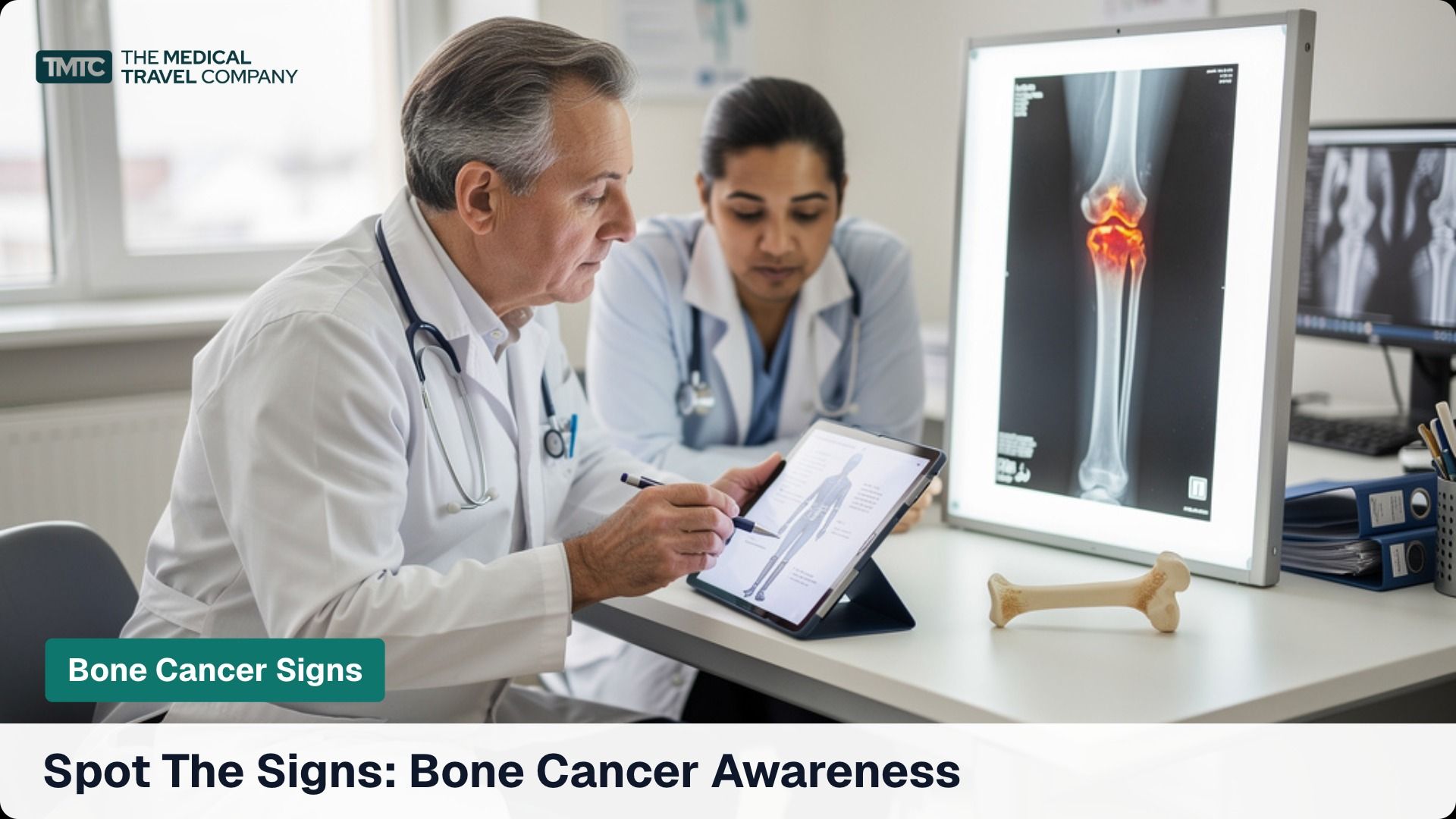
Bone cancer affects approximately 3,500 people annually in the United States, yet early detection can dramatically improve your chances of successful treatment. While this type of cancer is relatively rare, understanding its warning signs could save your life or that of someone you love. Early bone cancer symptoms often masquerade as common aches and pains, which is why many cases aren't diagnosed until the disease has progressed.
The key to better outcomes lies in recognizing these subtle but important changes in your body. Most bone cancers develop gradually, giving you time to notice patterns and seek medical attention. Let's explore the seven most important warning signs that could indicate bone cancer, helping you understand when it's time to speak with your doctor about your concerns.
1. Persistent Bone Pain
The most common early sign of bone cancer is persistent pain that doesn't improve with rest or common pain relievers. Unlike typical muscle soreness from exercise or minor injuries, bone cancer pain has distinct characteristics that set it apart.
Nature of the Pain
Bone cancer pain typically starts as a dull ache that gradually worsens over weeks or months. According to BMJ Best Practice, pain and swelling are the most common presenting symptoms of osteosarcoma, the most frequent type of primary bone cancer. The pain often becomes more intense at night, sometimes severe enough to wake you from sleep.
What makes this pain different from typical aches is its persistence and progression. While muscle pain from overexertion usually improves within a few days, bone cancer pain continues to worsen. You might notice that activities you've always done comfortably now cause significant discomfort.
Location and Pattern
Bone cancer pain is typically localized to one specific area rather than generalized throughout your body. The long bones of your arms and legs are most commonly affected, particularly around the knee area. However, bone cancer can develop in any bone, including your spine, pelvis, ribs, or skull. If you're experiencing persistent pain that seems to center on one bone or joint area, especially if it's getting worse rather than better, this warrants medical evaluation.
2. Swelling Near the Affected Bone
Swelling or a noticeable lump near a bone can be another early indicator of bone cancer. This swelling might not appear immediately when pain begins, often developing weeks after the initial discomfort starts.
Identifying Concerning Swelling
The swelling associated with bone cancer typically feels firm and may be warm to the touch. Unlike swelling from a sprain or bruise, this type of swelling doesn't improve with rest, ice, or elevation. You might notice that the affected area looks visibly different from the same area on the opposite side of your body.
The swelling can range from subtle to quite obvious. In some cases, you might only notice it when comparing both sides of your body in a mirror. In other cases, the swelling might be significant enough that clothes fit differently or you have difficulty with normal activities. Similar to symptoms seen with other types of cancer, like kidney cancer, these physical changes in your body shouldn't be ignored.
When to Seek Medical Attention
Any persistent swelling that lasts more than two weeks without an obvious cause deserves medical evaluation. If the swelling is accompanied by pain, warmth, or changes in skin color, it's particularly important to see your doctor promptly. Don't wait for the swelling to worsen or for additional symptoms to develop.
3. Unexplained Fractures
Bone cancer can weaken bones significantly, making them more susceptible to fractures from minor trauma or even normal daily activities. These are called pathological fractures, and they're often the first sign that brings people to medical attention.
Understanding Pathological Fractures
A pathological fracture occurs when a bone breaks from minimal force that wouldn't normally cause a break in healthy bone. For example, you might fracture your arm from a minor fall that should have only caused a bruise, or break a rib from coughing. Research shows that around 10% of patients with bone tumors present with pathological fractures.
These fractures can be particularly concerning because they often occur in areas where you've been experiencing pain or discomfort. If you've had persistent bone pain and then experience a fracture in that same area from minimal trauma, this combination strongly suggests the need for immediate medical evaluation.
Warning Signs of Concerning Fractures
- Fracture from minimal trauma like a minor fall or bump
- Fracture in an area where you've had persistent pain
- Unusual fracture location not typically seen in healthy bones
- Fracture that's slow to heal or causes ongoing severe pain
- Multiple unexplained fractures over a short period
4. Overwhelming Fatigue
Cancer-related fatigue is different from normal tiredness. It's a profound exhaustion that doesn't improve with rest and can significantly impact your ability to carry out daily activities.
Recognizing Cancer-Related Fatigue
This type of fatigue feels overwhelming and persistent. You might find yourself needing to rest frequently throughout the day or struggling to complete tasks that were previously easy for you. The fatigue often comes with a feeling of weakness that affects both your physical and mental energy.
Cancer-related fatigue occurs because your body is working hard to fight the disease, which uses significant energy resources. Additionally, the cancer cells themselves can release substances that contribute to feelings of exhaustion. This symptom is particularly important to monitor alongside other warning signs, as fatigue alone is common with many conditions but becomes more concerning when combined with persistent bone pain or swelling.
| Normal Tiredness | Cancer-Related Fatigue |
|---|---|
| Improves with rest | Doesn't improve with rest |
| Occurs after physical activity | Present even without exertion |
| Temporary and manageable | Persistent and overwhelming |
| Doesn't interfere with daily life | Significantly impacts daily activities |
| Energy returns after good sleep | Sleep doesn't restore energy |
5. Unexplained Weight Loss
Losing weight without trying is often one of the more concerning signs of cancer, including bone cancer. This isn't about losing a few pounds from being busy or stressed, but rather significant weight loss that occurs without changes to your diet or exercise routine.
What Constitutes Concerning Weight Loss
Medical professionals typically consider unexplained weight loss concerning when you lose 5% or more of your total body weight over 6-12 months without trying. For a person who weighs 150 pounds, this would mean losing about 7-8 pounds or more without dietary changes or increased physical activity.
The weight loss associated with cancer often comes with other symptoms like decreased appetite, feeling full quickly when eating, or food not tasting the same as usual. Your body might be burning more calories fighting the cancer, or the cancer might be affecting your ability to properly absorb nutrients from food.
Understanding Cancer Cachexia
In advanced cases, patients may develop cancer cachexia, a syndrome characterized by severe weight loss, muscle wasting, and weakness. This condition involves not just fat loss but also significant muscle mass reduction, which can be particularly debilitating. If you notice rapid weight loss combined with muscle weakness, this requires immediate medical attention. Understanding these patterns is similar to recognizing concerning symptoms in other cancers like bladder cancer, where early detection can significantly impact treatment outcomes.
6. Fever and Night Sweats
While less common than other symptoms, some people with bone cancer experience systemic symptoms like unexplained fever and night sweats. These symptoms are more typical of blood cancers but can occasionally occur with bone cancer.
Understanding Systemic Symptoms
According to medical research, systemic symptoms like fever and night sweats are rare in bone cancer, occurring more commonly in lymphomas. However, when they do appear alongside other bone cancer symptoms, they can indicate more advanced disease.
Night sweats related to cancer are typically drenching sweats that soak your pajamas and bedding, requiring you to change clothes or sheets during the night. These aren't the mild sweating you might experience from being too warm or having too many blankets.
When These Symptoms Become Concerning
Fever and night sweats become particularly worrisome when they occur alongside bone pain, swelling, or other symptoms on this list. If you're experiencing unexplained fevers above 101°F (38.3°C) or drenching night sweats for more than a few days, especially with bone pain, you should seek medical evaluation promptly.
7. Soft Tissue Mass or Swelling
Sometimes bone cancer can extend beyond the bone itself into surrounding soft tissues, creating a noticeable mass or area of swelling. This can occur as the cancer grows and begins to affect nearby muscles, tendons, or other soft tissues.
Characteristics of Concerning Masses
A soft tissue mass related to bone cancer typically feels firm and doesn't move easily when you press on it. Unlike a muscle strain or bruise, this type of swelling doesn't improve with rest or anti-inflammatory medications. The mass might be painless initially, or it could be quite tender to touch.
These masses can vary in size from small, barely noticeable lumps to large, obvious swellings. They might feel warm to the touch and could cause the skin above them to appear red or discolored. If you notice any persistent lump or mass that doesn't go away after a few weeks, it deserves medical evaluation.
Distinguishing Between Benign and Concerning Swellings
Not all lumps or swellings are cancerous, but certain characteristics make them more concerning. Masses that are hard, fixed in place, growing larger, or causing pain should be evaluated promptly. Benign lumps are often soft, moveable, and don't change much over time. However, only medical imaging and sometimes biopsy can definitively determine whether a mass is benign or malignant.
The location of the mass can also provide clues. Masses near bones, especially in areas where you've been experiencing pain, are more concerning than those in areas of only soft tissue. Just as with prostate cancer symptoms, early medical evaluation of concerning changes can lead to better treatment outcomes.
When to Seek Medical Care
Understanding these warning signs is important, but knowing when to act on them is equally crucial. You should schedule an appointment with your doctor if you experience any combination of these symptoms, especially if they persist for more than a few weeks.
Don't wait for symptoms to become severe before seeking help. Early-stage bone cancer is much more treatable than advanced disease. Medical studies show that patients with localized bone cancer have 5-year survival rates of 75% to 80% when treated with modern chemotherapy and surgery.
Remember that having one or more of these symptoms doesn't mean you definitely have bone cancer. Many conditions can cause similar symptoms. However, persistent or worsening symptoms, especially when multiple warning signs occur together, warrant medical evaluation to rule out cancer and identify the actual cause of your symptoms.
Getting the Right Diagnosis and Treatment
If your doctor suspects bone cancer based on your symptoms and initial examination, they'll likely order imaging tests such as X-rays, MRI, or CT scans. These tests can show abnormal areas in your bones and help determine the extent of any problems.
A definitive diagnosis usually requires a biopsy, where a small sample of tissue is removed and examined under a microscope. This might sound frightening, but modern biopsy techniques are much less invasive than they were in the past, and the information they provide is crucial for developing an effective treatment plan.
At The Medical Travel Company, we understand that facing a potential cancer diagnosis can feel overwhelming. Our team provides expert guidance through every step of the diagnostic process, ensuring you receive world-class care with a personalised treatment plan that fits your needs and budget. We're committed to making your healthcare journey as seamless as possible during this challenging time.
Treatment for bone cancer typically involves a combination of surgery, chemotherapy, and sometimes radiation therapy. The specific approach depends on the type, size, location, and stage of the cancer, as well as your overall health and personal preferences. Modern treatment approaches have significantly improved outcomes for bone cancer patients, with many people returning to active, fulfilling lives after treatment.
Key Points to Remember
- Persistent bone pain that worsens over time, especially pain that disturbs sleep, should always be evaluated by a doctor
- Unexplained swelling, lumps, or masses that don't improve after a few weeks need medical attention
- Fractures from minor trauma, particularly in areas where you've had ongoing pain, are concerning signs
- Multiple symptoms occurring together are more significant than any single symptom alone
- Early detection and treatment significantly improve outcomes for bone cancer patients
- Don't delay seeking medical care if you're experiencing concerning symptoms - early evaluation is always better
Remember, recognizing these warning signs isn't about becoming anxious about every ache or pain. It's about being informed and proactive about your health. Most bone and joint problems aren't cancer, but when cancer is present, early detection makes all the difference in treatment success and quality of life outcomes.
References:
-
BMJ Best Practice - Osteosarcoma- Comprehensive clinical information on osteosarcoma symptoms, diagnosis, and prognosis
-
NCBI Bookshelf - Osteosarcoma (Osteogenic Sarcoma)- Clinical presentation and pathological fracture statistics
-
Mayo Clinic - Bone Cancer Diagnosis and Treatment- Evidence-based treatment approaches and diagnostic procedures
-
UCSF Health - Bone Cancer Overview- Comprehensive information on primary vs. metastatic bone cancer
-
PMC - Bone Cancer Pain- Research on pain characteristics and mechanisms in bone cancer
Related Articles




Ready to open the door to better health?