Ozempic Was Just the Beginning: What's Next in Weight-Loss Drugs?
From celebrity-favourite Ozempic to pills and next-gen drugs promising even bigger results, the weight-loss drug race is only getting started.
Published on 22 September 20263m

Dr Sukalpa Rathore


Medical content writer with dental expertise (BDS, MSc in F. Odont.), focused on cross-border healthcare.
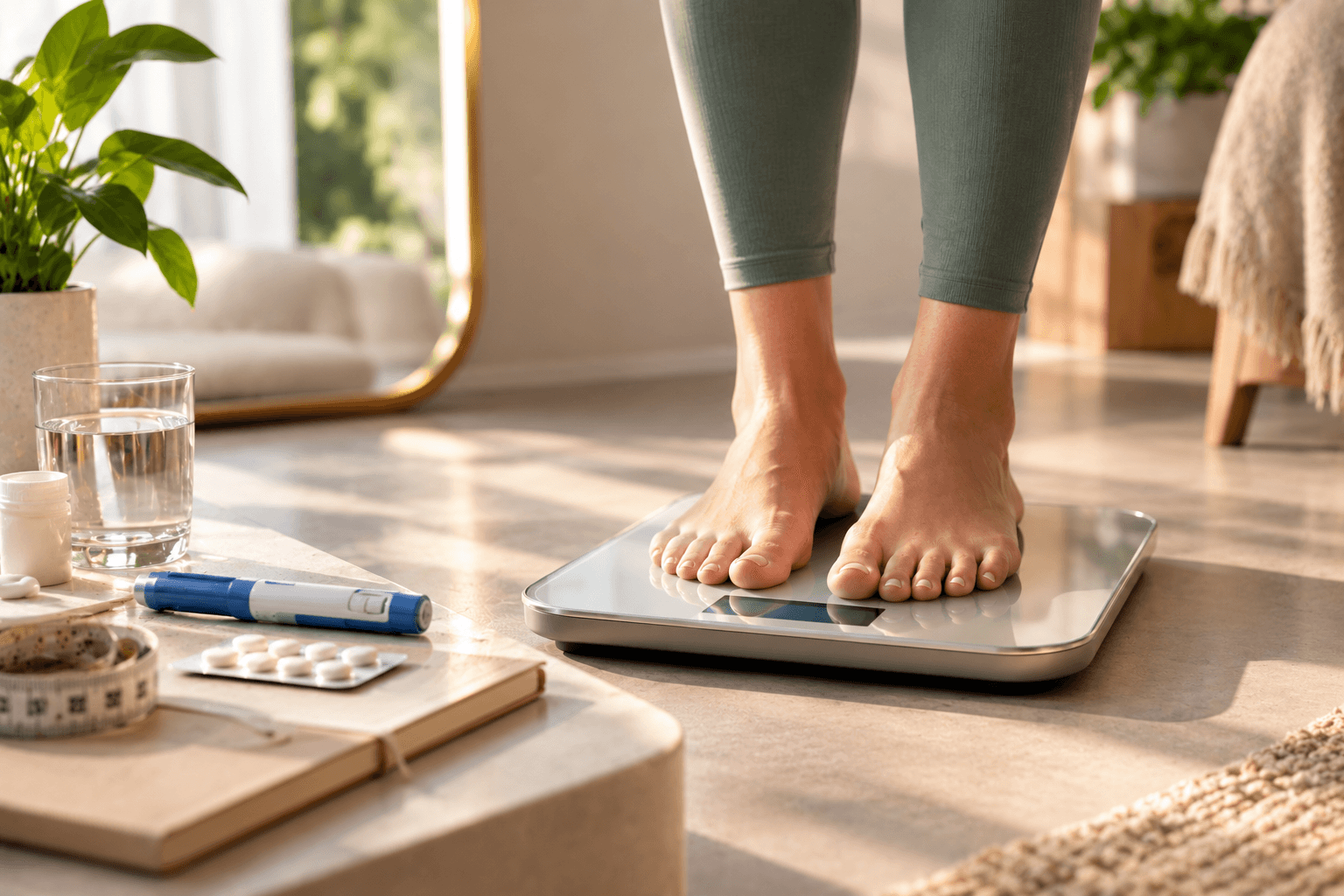
For the past few years, Ozempic, Wegovy, Mounjaro and Zepbound have become household names in the weight-loss conversation. But the next generation of obesity treatments could look very different.
Researchers are developing weight-loss drugs that target more than one hormone, while oral treatments are making it possible to take some of these medicines as pills rather than injections.
And some of the newest drugs are producing weight reductions that were once difficult to imagine from medication alone.
How Much Weight Can Today's Weight-Loss Drugs Help You Lose?
The results from newer weight-loss medicines are significant.
According to studies conducted by The New England Journal of Medicine Semaglutide (Wegovy) helped people lose about 15% of their starting weight in a large study. For someone who weighs 100 kg, that's about 15 kg of weight loss on average over around 16 months.
Tirzepatide (Mounjaro and Zepbound) did even better in a later study. People taking it lost about 20% of their starting weight on average over around 17 months. So, someone starting at 100 kg lost about 20 kg.
In that study, both medicines were tested in the same group of people. On average, tirzepatide led to more weight loss than semaglutide.
The results from newer medicines could go even further.
What Are the Next-Generation Weight-Loss Drugs?
If you thought losing 15-20% of your body weight with a medicine sounded significant, the next generation of treatments could push that number higher.
One of the drugs attracting attention is retatrutide. It is designed to work in several ways to reduce appetite and help the body manage weight.
The results so far have been striking. In a large 2026 study by Eli Lilly, people taking the highest dose lost almost 30% of their starting weight after 80 weeks. For someone weighing 100 kg, that works out to around 30 kg on average.
Almost half of the people taking the 12-mg dose lost 30% or more of their body weight, according to the study results released by its manufacturer.
But there is an important point to remember: **retatrutide is still being studied and is not yet an approved weight-loss med
So, while it is too early to know exactly where these newer drugs will end up, the numbers give us a glimpse of how much weight-loss treatment could change in the coming years.
What About Weight-Loss Pills?
Not everyone wants a weekly injection. That is why weight-loss pills could become one of the biggest developments in obesity treatment.
Orforglipron is a daily pill being studied for weight management. In a 2026 study of more than 3,000 adults by The New England Journal of Medicine, people taking the highest dose lost an average of 11% of their starting weight after 72 weeks. For someone weighing 100 kg, that is about 11 kg.
The US FDA approved orforglipron in April 2026 for certain adults with obesity or overweight and a weight-related health condition, alongside diet and physical activity.
That means weight-loss pills are no longer just a research idea. They are becoming part of the treatment landscape.
Can Combining Weight-Loss Drugs Lead to More Weight Loss?
Another approach is to combine different medicines and see if they work better together.
One example is CagriSema, which combines semaglutide with another medicine called cagrilintide.
In a 2025 study of more than 3,400 adults, people taking the combination lost an average of 20% of their starting weight after 68 weeks. For someone weighing 100 kg, that is about 20 kg.
Early results suggest that combining medicines that work in different ways could help people achieve greater weight loss.
Does More Weight Loss Always Mean a Better Drug?
Not necessarily.
As these medications become more powerful, researchers are looking beyond the number on the weighing scale.
Side effects, muscle loss, cardiovascular health, long-term adherence and what happens after stopping treatment all matter.
Gastrointestinal symptoms such as nausea, vomiting, diarrhoea and constipation are common with many drugs in this class. A 2026 review in the New England Journal of Medicine also highlighted ongoing questions around long-term adherence, weight regain after stopping treatment, and potential loss of muscle and bone mass.
There is also another issue: these medicines are treatments for a chronic disease, not simply short-term cosmetic weight-loss products.
In a three-year analysis of tirzepatide in people with obesity and prediabetes, continued treatment was associated with substantial weight reduction and a markedly lower risk of progression to type 2 diabetes compared with placebo.
So, What Comes After Ozempic?
The next generation of weight-loss drugs is already being shaped by three big ideas: more powerful treatments, more convenient treatments and drugs that target multiple biological pathways.
Some are already available. Others are still in clinical trial
The interesting part is that the goal of obesity treatment is changing. Researchers aren't simply asking, “Can we make people lose weight?”
They're increasingly asking:
Can we make the treatment more effective, easier to take, safer to use long term and useful for more of the health problems linked to obesity?
The answer isn't clear yet. There are now dozens of new obesity medicines and drug combinations being studied, so the next few years could bring more options for patients.
But one thing is becoming increasingly difficult to dispute: the GLP-1 era is evolving far beyond the first generation of weight-loss injections.
References:
Weight LossOzempic
Ready to open the door to better health?