How I Knew I Had Colon Cancer: Spotting Early Warning Signs
Learn about colon cancer symptoms, early warning signs, and the importance of screening for colorectal health.
Last Updated On 17 April 202611m


Medical professional with 10+ years’ experience in diagnosis, patient care, and clinical leadership.
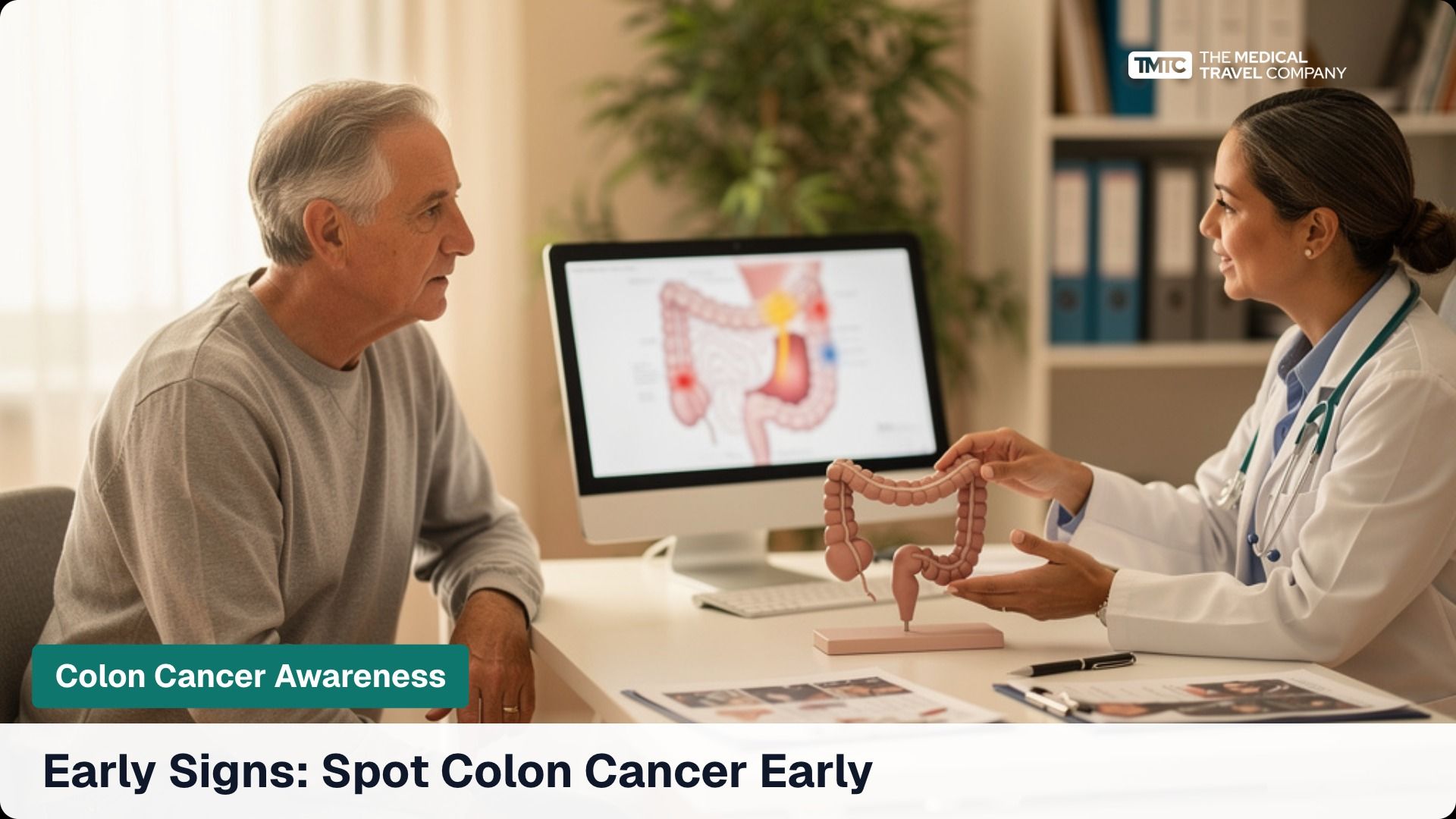
When people experience persistent changes in bowel habits or unexplained fatigue, these symptoms are often mistaken for stress, diet, or minor digestive issues. In some cases, warning signs such as blood in the stool become the reason medical attention is finally sought. Stories like these highlight the importance of recognising colon cancer symptoms early, when treatment outcomes are often most favourable.
Understanding colon cancer and why early detection saves lives
Colon cancer, also known as colorectal cancer, develops when cells in the colon or rectum begin growing uncontrollably. The World Health Organization reports that colorectal cancer is the third most common cancer worldwide, affecting nearly 2 million people annually.
The encouraging news is that when caught early, colon cancer is highly treatable. About 90% of people diagnosed with colorectal cancer before it has spread live at least 5 years, compared to much lower survival rates for advanced stages. This stark difference underscores why understanding and recognizing early warning signs can literally save your life.
Unlike some cancers that develop rapidly, colon cancer typically grows slowly over several years. This gradual progression provides multiple opportunities for detection and intervention, making awareness of symptoms absolutely crucial for maintaining your health.
The most common colon cancer symptoms you shouldn't ignore
Recognizing colon cancer symptoms early requires paying attention to changes in your body that persist longer than a few weeks. Many of these signs can seem minor initially, which is why they're often dismissed or attributed to less serious conditions.
Changes in bowel habits that signal concern
Your bowel movement patterns can reveal important information about your colorectal health. Persistent diarrhea, constipation, or changes in stool consistency lasting more than a few days warrant medical attention. These changes might include stools that are consistently narrower than usual, a feeling that your bowel doesn't empty completely, or sudden shifts between diarrhea and constipation.
Pay particular attention if these changes represent a departure from your normal patterns. What's considered normal varies significantly from person to person - some people naturally have more frequent bowel movements, while others go less often. The key is noticing when your personal patterns change without an obvious cause like dietary changes or travel.
Blood in stool: when to worry
Blood in your stool can appear in different ways and may indicate various conditions. Bright red blood might suggest bleeding from the lower part of your digestive tract, while dark, tarry stools could indicate bleeding higher up in the colon. Sometimes blood isn't visible to the naked eye, which is why screening tests that detect hidden blood are so valuable.
While not all cases of blood in stool indicate cancer, conditions like hemorrhoids, inflammatory bowel disease, or small tears in the anal area can also cause bleeding - any instance requires evaluation by a healthcare professional. Don't assume it's something minor, especially if the bleeding persists or you notice other symptoms alongside it.
Abdominal pain and cramping patterns
Persistent abdominal discomfort, cramping, or pain that doesn't resolve with typical remedies like dietary changes or over-the-counter medications deserves attention. This pain might be continuous or come and go, and it's often accompanied by bloating or a feeling of fullness even after small meals.
The pain associated with colon cancer typically differs from routine digestive discomfort. It tends to be more persistent and may gradually worsen over time. Some patients describe it as a deep, gnawing sensation that doesn't improve with position changes or usual comfort measures.
Unexplained weight loss and fatigue
Losing weight without trying or experiencing persistent fatigue that doesn't improve with rest can signal that something more serious is happening in your body. Cancer cells consume significant energy and can interfere with normal nutrient absorption, leading to unintentional weight loss and ongoing tiredness.
This type of fatigue is different from feeling tired after a long day or poor night's sleep. Cancer-related fatigue often feels overwhelming and doesn't improve significantly with rest. Combined with other symptoms, it becomes an important piece of the diagnostic puzzle.
Key warning signs checklist
- Persistent changes in bowel habits lasting more than a few weeks
- Blood in stool, either visible or detected through testing
- Ongoing abdominal pain, cramping, or discomfort
- Unexplained weight loss of 10 pounds or more
- Persistent fatigue that doesn't improve with rest
- Feeling that your bowel doesn't empty completely
- Iron deficiency anemia without an obvious cause
Understanding different symptom patterns and what they mean
Colon cancer symptoms can vary significantly depending on where the tumor is located within your colon or rectum. Understanding these patterns helps explain why some people experience certain symptoms while others have completely different warning signs.
| Location | Common symptoms | Additional considerations |
|---|---|---|
| Right side of colon | Iron deficiency anemia, fatigue, unexplained weight loss | Symptoms often develop gradually and may be subtle |
| Left side of colon | Changes in bowel habits, cramping, narrower stools | Symptoms tend to be more noticeable earlier |
| Rectum | Blood in stool, feeling of incomplete emptying, pelvic pain | Bleeding is often more obvious to patients |
| Advanced stages | Combination of symptoms, severe fatigue, significant weight loss | Multiple organ systems may be affected |
Right-sided colon cancers often grow larger before causing noticeable symptoms because this part of the colon is wider and more flexible. Left-sided cancers typically cause symptoms earlier because this section of the colon is narrower, making blockages more likely to occur sooner.
Age also influences symptom presentation. Younger adults with colorectal cancer often experience different symptom patterns than older patients, sometimes making diagnosis more challenging in this population.
When blood in stool becomes a medical emergency
While any blood in stool requires medical evaluation, certain situations demand immediate attention. Understanding when to seek urgent care versus scheduling a routine appointment can make a significant difference in your health outcomes.
Seek immediate medical attention if you experience heavy bleeding, blood clots in your stool, or bleeding accompanied by severe abdominal pain, dizziness, or rapid heartbeat. These symptoms might indicate a medical emergency that requires prompt intervention.
For persistent but less severe bleeding, schedule an appointment with your healthcare provider within a few days. They'll likely recommend tests to determine the source of bleeding and rule out serious conditions. Remember that even minor bleeding deserves evaluation - early detection of problems leads to better treatment outcomes.
Your doctor might recommend several diagnostic approaches, including stool tests, blood work to check for anemia, or imaging studies. These diagnostic approaches are similar to those used for detecting other types of cancer, emphasizing the importance of comprehensive evaluation when concerning symptoms arise.
The critical role of screening in preventing colon cancer
Screening for colon cancer represents one of medicine's greatest success stories in cancer prevention. Unlike many other cancers, colon cancer can often be prevented entirely through early detection and removal of precancerous growths called polyps.
Regular screening can identify cancer before symptoms develop, when treatment is most effective. It can also find polyps before they become cancerous, allowing for their removal and preventing cancer from developing altogether. This preventive potential makes colon cancer screening uniquely powerful among cancer screening programs.
Colonoscopy: the gold standard for detection
Colonoscopy remains the most comprehensive screening method for colon cancer. During this procedure, your doctor uses a flexible tube with a camera to examine the entire length of your colon and rectum. Any polyps found during the examination can be removed immediately, potentially preventing future cancer development.
Most people should begin regular colon cancer screening at age 45, though those with family history or other risk factors might need to start earlier. The procedure is typically repeated every 10 years if no problems are found, though your doctor might recommend more frequent screening based on your individual risk factors.
Alternative screening options
If colonoscopy isn't an option for you, several alternative screening methods are available. Stool-based tests can detect hidden blood or DNA changes associated with cancer, though they need to be performed more frequently than colonoscopy. CT colonography (virtual colonoscopy) uses imaging technology to examine the colon without requiring a scope insertion.
While these alternatives are valuable options, they have limitations compared to traditional colonoscopy. If abnormalities are detected through alternative screening methods, you'll still need a colonoscopy for definitive diagnosis and treatment.
Taking action: your next steps toward better health
If you're experiencing any symptoms that concern you, don't wait for them to resolve on their own. Early action can make the difference between catching a problem in its early, treatable stages versus dealing with a more advanced condition.
Preparing for your medical appointment
Before your appointment, document your symptoms carefully. Note when they started, how often they occur, and what makes them better or worse. Bring a list of all medications you're taking, including supplements, and be prepared to discuss your family history of cancer or digestive problems.
Your doctor will likely perform a physical examination and may recommend blood tests or stool tests as initial screening measures. Depending on your symptoms and risk factors, they might suggest proceeding directly to colonoscopy or starting with less invasive testing.
Questions to ask your healthcare provider
Important questions for your doctor
- Based on my symptoms and age, what screening do you recommend?
- What are the most likely causes of my symptoms?
- How urgent is it that I get tested?
- What should I expect during the recommended tests?
- Are there any warning signs that should prompt immediate medical attention?
- Based on my family history, do I need earlier or more frequent screening?
Don't hesitate to ask for clarification if you don't understand something. Your healthcare provider should be willing to explain procedures, potential diagnoses, and treatment options in terms you can understand. Just as with other cancer concerns, clear communication with your healthcare team is essential for the best outcomes.
Finding expert care and support
When facing potential cancer diagnosis, having access to world-class care and expert guidance makes an enormous difference in both treatment outcomes and peace of mind. Choosing the right healthcare team and treatment center shapes everything that follows in your cancer journey.
Modern cancer care extends far beyond just medical treatment. The best programs offer comprehensive support that includes nutritional counseling, pain management, psychological support, and coordination between multiple specialists. This multidisciplinary approach ensures you receive not just effective treatment, but also the support you need to maintain your quality of life throughout the process.
When evaluating healthcare options, look for centers that offer affordable healthcare without compromising on quality. Advances in cancer treatment continue to provide new hope for patients, and accessing these innovations shouldn't be limited by geographic or financial barriers.
Key takeaways for colon cancer awareness
- Persistent changes in bowel habits, blood in stool, unexplained weight loss, and ongoing fatigue are key warning signs that require medical evaluation
- Early detection through screening can prevent colon cancer entirely by identifying and removing precancerous polyps
- Don't ignore symptoms or assume they're minor - early action leads to better treatment outcomes
- Regular screening starting at age 45 (or earlier for high-risk individuals) is your best protection against colon cancer
- Access to expert guidance and comprehensive care significantly improves both treatment outcomes and quality of life during cancer treatment
Remember that being aware of colon cancer symptoms isn't about becoming anxious over every digestive issue. Rather, it's about being informed enough to recognize when changes in your body warrant professional evaluation. Your health is worth the time and attention needed for proper screening and care.
References:
- World Health Organization- Colorectal cancer statistics and global health impact
- WebMD- Survival rates and treatment outcomes for colorectal cancer
- Mayo Clinic- Comprehensive overview of colon cancer symptoms and causes
- National Cancer Institute- Warning signs of colorectal cancer in younger adults
- WebMD- Early warning signs of cancer and when to seek medical attention
Related Articles


Ready to open the door to better health?