Exploring Shoulder Surgery Alternatives in the UK: Comprehensive Options for Patients
Discover effective alternatives to shoulder replacement surgery in the UK, including treatments and therapies tailored to your needs.
Last Updated On 17 April 20268m


Medical professional with 10+ years’ experience in diagnosis, patient care, and clinical leadership.
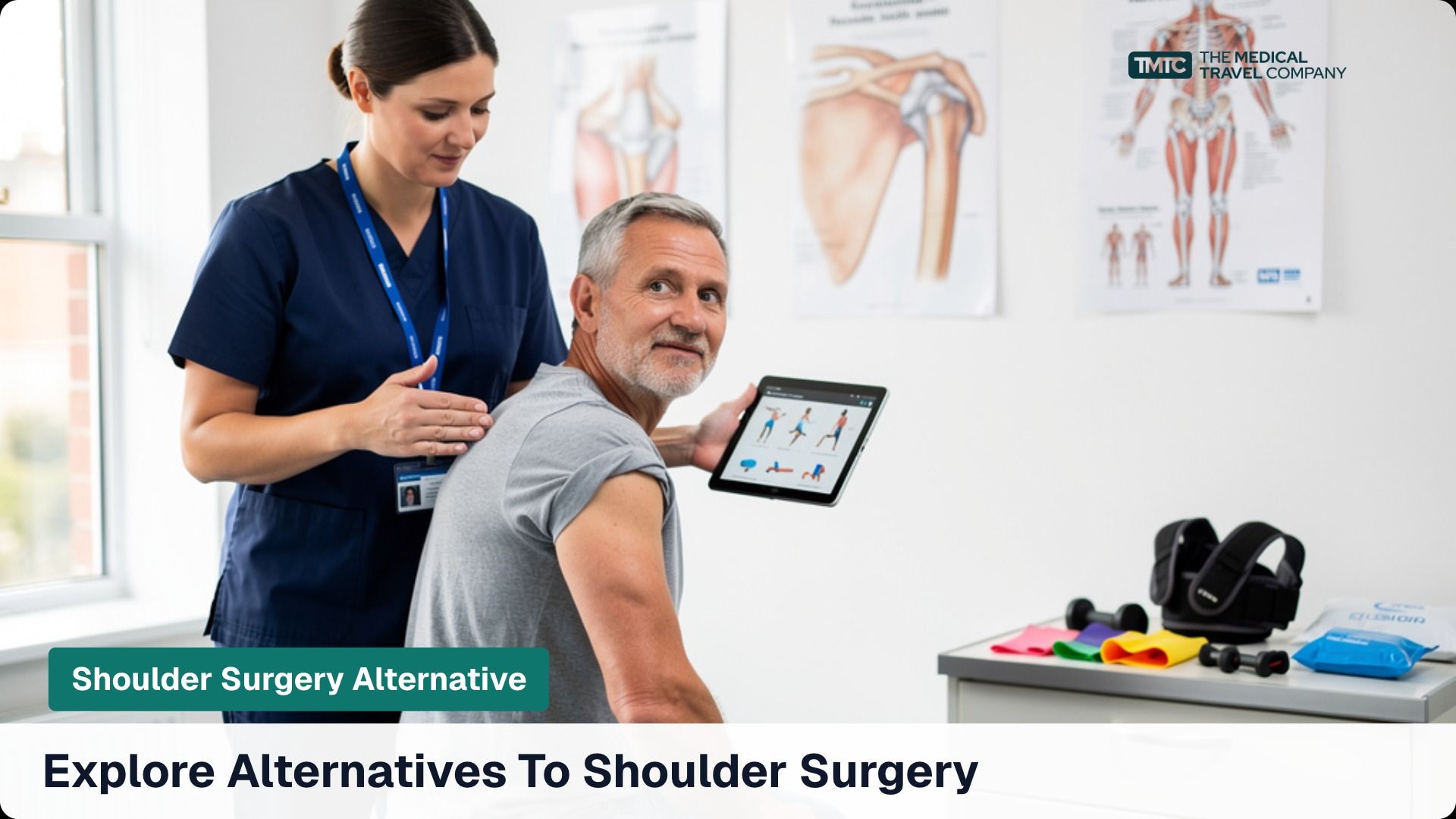
If you're facing shoulder pain that's affecting your daily life, you might think surgery is your only option. The good news is that many people can avoid or delay shoulder replacement surgery through effective non-surgical treatments available throughout the UK. From physiotherapy to innovative injection therapies, these alternatives can provide significant pain relief and improved function without the risks and recovery time of major surgery.
Understanding When Surgery Isn't Your Only Choice
Shoulder replacement surgery involves removing damaged parts of your shoulder joint and replacing them with artificial components. While this can be highly effective for severe arthritis or major injuries, it's also a significant procedure with months of recovery time.
Many conditions that cause shoulder pain respond well to conservative treatments. According to NHS guidelines, shoulder pain diagnosis and treatment should follow a stepped approach, starting with non-surgical options before considering surgery. This approach recognises that surgery isn't always necessary and that many patients achieve excellent results with alternative treatments.
The key is finding the right combination of treatments for your specific condition. What works for arthritis might differ from what's best for rotator cuff injuries, which is why expert guidance is essential for developing your personalised treatment plan.
Non-Surgical Treatment Options That Work
Physiotherapy: Your First Line of Defence
Physiotherapy remains one of the most effective treatments for shoulder pain, and it's widely available across the UK through the NHS and private clinics. A skilled physiotherapist will assess your specific problem and create a targeted exercise programme to strengthen your shoulder muscles, improve flexibility, and reduce pain.
The North Bristol NHS Trust's shoulder service guidelines emphasise that rehabilitation exercises are crucial for shoulder recovery, whether you're avoiding surgery or recovering from it. These programmes typically include range-of-motion exercises, strengthening work, and manual therapy techniques.
Many patients see significant improvement within 6-12 weeks of consistent physiotherapy. The treatment is particularly effective for rotator cuff problems, frozen shoulder, and early-stage arthritis. Your physiotherapist will also teach you how to modify daily activities to protect your shoulder while it heals.
Injection Therapies: Targeted Pain Relief
When physiotherapy alone isn't enough, injection therapies can provide significant additional relief. Steroid injections directly into the shoulder joint or surrounding tissues can reduce inflammation and pain for several months. These injections are particularly effective for arthritis, bursitis, and inflammatory conditions.
Platelet-rich plasma (PRP) therapy is another option gaining popularity in the UK. This treatment uses your own blood, processed to concentrate healing platelets, which are then injected into damaged tissue. While research is ongoing, many patients report good results with PRP for rotator cuff tears and tendon problems.
Both treatments are typically performed as outpatient procedures with minimal downtime. Most people can return to normal activities within a day or two, though you'll need to follow specific aftercare instructions to maximise the benefits.
Pain Management Strategies
Effective pain management goes beyond just taking medication. A comprehensive approach might include anti-inflammatory drugs, topical treatments, heat and cold therapy, and techniques like TENS machines. The goal is to control pain while you work on underlying problems through other treatments.
Many pain clinics across the UK offer specialised programmes for chronic shoulder pain. These might include nerve blocks, radiofrequency treatments, or other advanced techniques. Working with a pain specialist can help you find the right combination of treatments for your situation.
Advanced Non-Surgical Therapies
Specialised Therapy Techniques
Beyond standard physiotherapy, several specialised techniques can be particularly effective for shoulder problems. Manual therapy, where a skilled therapist uses their hands to mobilise joints and soft tissues, can significantly improve range of motion and reduce pain.
Dry needling, similar to acupuncture but targeting specific trigger points in muscles, can release tension and improve function. Many physiotherapists in the UK are trained in this technique, and it's often used alongside traditional exercises for better results.
Shockwave therapy is another option for certain conditions. This treatment uses sound waves to stimulate healing in damaged tissues and is particularly useful for calcific tendonitis and chronic tendon problems.
Rotator Cuff Alternatives
Rotator cuff tears are common and often don't require surgery, especially in older patients. Research shows that many small to medium tears can heal or become asymptomatic with the right conservative treatment approach.
The key is early intervention with a programme that includes specific exercises to strengthen the remaining intact muscles, improve shoulder blade control, and restore normal movement patterns. This approach can often restore function even when the tear doesn't fully heal.
For larger tears or those that don't respond to conservative treatment, newer techniques like biological augmentation with patches or scaffolds are being developed. These treatments aim to support healing without the need for major surgical reconstruction.
Arthritis-Specific Treatment Strategies
Shoulder arthritis affects many people, but surgery isn't always the answer. A combination of treatments can often provide excellent symptom control and maintain function for years.
Managing Arthritis Without Surgery
The foundation of arthritis management is maintaining movement and strength while controlling inflammation. This typically involves a combination of regular exercise, weight management if relevant, and appropriate use of anti-inflammatory treatments.
Viscosupplementation, where lubricating fluid is injected into the joint, is sometimes used for shoulder arthritis. While more common in knee arthritis, some patients with shoulder arthritis benefit from this treatment.
Activity modification is crucial but doesn't mean stopping everything you enjoy. It's about finding ways to continue activities while protecting your joints. An occupational therapist can help you adapt daily tasks and recommend aids that reduce strain on your shoulder.
Essential Steps for Non-Surgical Shoulder Care
- Get an accurate diagnosis from a shoulder specialist
- Start with physiotherapy and exercise therapy
- Consider injection therapy if initial treatments aren't enough
- Explore pain management techniques for daily comfort
- Modify activities to protect your shoulder while staying active
- Review your treatment plan regularly with your healthcare team
Real Success Stories from UK Patients
The effectiveness of non-surgical treatments isn't just theoretical - many patients across the UK have successfully avoided surgery through these approaches. University Hospitals of Derby and Burton has reported excellent outcomes with their comprehensive shoulder care programmes.
One patient, a grandmother named Janice Harrison, initially faced severe arthritis in both shoulders. While she eventually chose surgery, her case highlights how modern shoulder care has evolved to offer multiple options, including same-day procedures and rapid recovery programmes.
Many patients find that a combination of treatments works best. For example, starting with physiotherapy, adding injection therapy when needed, and maintaining long-term with regular exercise and pain management strategies. The key is persistence and working with a team that understands shoulder problems.
What's particularly encouraging is that many people who initially thought they needed surgery find they can manage their symptoms effectively with non-surgical approaches. This not only avoids surgical risks but also means they can continue with their normal activities much sooner.
Making the Right Choice for Your Shoulder
Deciding whether to try non-surgical treatments or proceed with surgery is a personal decision that should be made with expert guidance. The best approach is to start with conservative treatments unless your situation specifically requires immediate surgery.
At TMTC, we understand that every patient's situation is unique. Our expert guidance helps you explore all your options, from world-class physiotherapy to advanced injection therapies, ensuring you receive a personalised treatment plan that fits your needs and lifestyle. We believe in providing affordable healthcare without compromising on quality, giving you access to the same treatments available at leading UK centres.
Most shoulder specialists recommend trying non-surgical approaches for 3-6 months before considering surgery, unless there's a specific reason for urgent intervention. This gives your body time to respond to treatment and may save you from unnecessary surgery.
Remember that choosing non-surgical treatment doesn't close the door on surgery later if needed. In fact, being in better physical condition through physiotherapy and other treatments often leads to better surgical outcomes if you do eventually need an operation.
The important thing is to work with healthcare providers who understand the full range of orthopaedic treatment options and can guide you through the decision-making process. Whether that's advanced physiotherapy, injection therapies, or eventually surgical options like joint replacement procedures, having access to comprehensive care ensures you get the best possible outcome.
References
-
Shoulder Pain Diagnosis, Treatment and Referral Guidelines for Primary, Community and Intermediate Care- NHS guidelines for stepped approach to shoulder pain treatment
-
North Bristol Shoulder Service Post Operative Rehabilitation Guidelines- Evidence-based rehabilitation protocols for shoulder conditions
-
University Hospitals of Derby and Burton Patient Success Story- Real patient outcomes with modern shoulder care
-
Royal National Orthopaedic Hospital Patient Guide- Comprehensive information on shoulder stabilisation and treatment options
-
Patient.info Shoulder Joint Replacements Guide- Clinical overview of shoulder replacement procedures and alternatives
Related Articles





Ready to open the door to better health?