Essential Considerations in IVF Pathways: Coordination, Recovery, and Continuity to Avoid Common IVF Mistakes
Discover key factors often overlooked in IVF planning, from coordination to recovery, ensuring a seamless patient journey through your fertility treatment.
Last Updated On 17 April 202610m


Medical professional with 10+ years’ experience in diagnosis, patient care, and clinical leadership.
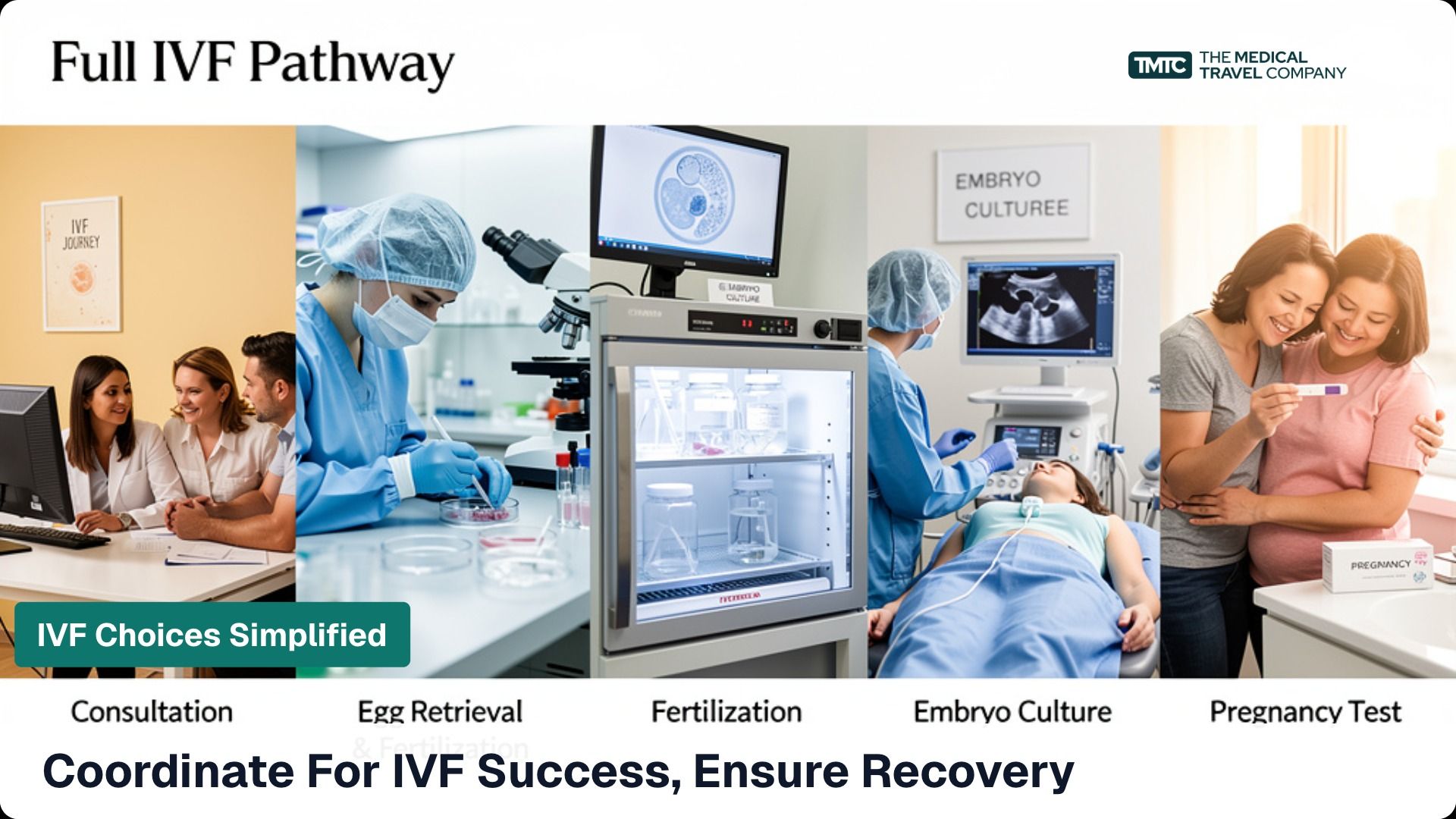
When you're navigating the complex world of fertility treatments, it's easy to focus solely on the medical procedures themselves. However, the most common IVF mistakes often happen in the spaces between treatments - the coordination gaps, recovery oversights, and continuity breaks that can derail even the most promising fertility journey. Understanding these overlooked elements can make the difference between a frustrating experience and a well-orchestrated path to parenthood.
Understanding IVF Pathways
An IVF pathway isn't just about the egg retrieval and embryo transfer - it's a comprehensive journey that includes initial consultations, diagnostic testing, treatment planning, multiple procedures, recovery periods, and follow-up care. Think of it as a carefully choreographed sequence where each step builds on the previous one.
What is an IVF Pathway?
Your IVF pathway encompasses everything from your first fertility consultation through to post-treatment support. It includes ovarian stimulation, monitoring appointments, egg retrieval, fertilisation in the laboratory, embryo culture, transfer procedures, and the crucial two-week wait. But here's what many couples don't realise: the gaps between these stages are just as important as the procedures themselves.
Research shows that treatment timeline gaps and coordination issues significantly impact success rates. ISAR consensus guidelines emphasise that safety and ethical practices in fertility treatments require seamless coordination between all healthcare providers involved in your care.
Importance of a Personalised Treatment Plan
One size definitely doesn't fit all in fertility treatment. Your personalised treatment plan should account for your medical history, current health status, partner factors, and even your emotional readiness. Too many couples rush into treatment without ensuring their pathway is truly tailored to their specific needs.
The most successful IVF programmes in Kenya recognise that personalisation extends beyond just medication protocols. It includes coordinating your treatment timeline with your work schedule, ensuring proper recovery time between procedures, and maintaining consistent communication throughout your journey.
The Role of Coordination in IVF Treatment
Poor coordination is one of the leading causes of IVF planning mistakes. When your fertility clinic, general practitioner, specialist consultants, and support services aren't communicating effectively, important details can slip through the cracks.
Common Coordination Issues in IVF
You might experience medication timing errors when your pharmacy doesn't receive updated prescriptions promptly. Test results can get lost between departments, leading to delays in treatment decisions. Perhaps most frustratingly, appointment scheduling conflicts can disrupt your carefully planned treatment cycle.
Another frequent issue occurs when couples travel abroad for treatment. If your home clinic and overseas facility don't coordinate properly, you might face gaps in monitoring or contradictory medication instructions. This is particularly relevant for couples considering affordable IVF options in Uganda in different countries.
Best Practices for Seamless Coordination
Coordination Checklist for IVF Success
- Request a single point of contact at your clinic who coordinates all aspects of your care
- Ensure all healthcare providers have access to your complete medical records
- Confirm medication schedules are communicated to all relevant parties
- Establish clear communication channels between your home clinic and any overseas facilities
- Schedule regular coordination meetings to review your treatment progress
The best fertility programmes assign you a dedicated care coordinator who acts as your advocate throughout the process. This person ensures that all team members are aligned on your treatment plan and that any changes are communicated immediately to everyone involved in your care.
Managing Recovery After IVF Procedures
Recovery planning is where many IVF mistakes occur. It's not just about physical healing - though that's crucial. Proper recovery encompasses your emotional wellbeing, medication management, activity restrictions, and preparation for the next phase of treatment.
Importance of Recovery Planning
Your body needs adequate time to recover between procedures, but this window isn't just downtime. It's an active period where your hormones rebalance, your endometrium prepares for potential implantation, and your overall health optimises for the next treatment phase.
Research on recurrent implantation failure indicates that insufficient recovery time between cycles can negatively impact treatment outcomes. Your body needs 1-3 months between fresh IVF cycles, depending on your response to medications and overall health status.
Common Recovery Planning Mistakes
| Recovery Mistake | Impact | Better Approach |
|---|---|---|
| Rushing back to work immediately | Increased stress and poor medication compliance | Plan 2-3 days off after egg retrieval |
| Ignoring emotional recovery needs | Anxiety and depression affecting next cycle | Schedule counselling support between cycles |
| Inconsistent medication schedules | Hormonal imbalances and cycle disruption | Set medication reminders and backup plans |
| Neglecting physical preparation | Suboptimal endometrial lining | Maintain gentle exercise and nutrition plans |
| Poor communication with partner | Relationship strain and decreased support | Schedule regular check-ins and couple time |
The recovery period is also when you should be preparing for potential next steps. If your cycle doesn't succeed, having a clear plan for the next phase prevents the emotional tailspin that often accompanies disappointing results.
Addressing Treatment Timeline Gaps
Treatment timeline gaps are periods when nothing seems to be happening in your fertility journey, but these apparent lulls can actually be opportunities for optimisation or warning signs of coordination problems.
Identifying Timeline Gaps in IVF Treatments
You might notice gaps when waiting weeks for test results that should be available in days, or when there's unclear communication about when to start your next medication cycle. Sometimes gaps occur because of administrative delays - appointment scheduling backlogs or insurance approval processes that weren't anticipated.
The most problematic gaps happen when your treatment team isn't proactively managing your next steps. If you finish one phase of treatment without a clear timeline for the next, that's a red flag that coordination isn't optimal. This is particularly important for couples considering IVF treatment abroad for Ghana Couples, where coordination between multiple healthcare systems is essential.
Strategies to Optimise Your Timeline
Start by requesting a detailed treatment calendar that shows not just procedure dates, but also when results will be available, when decisions need to be made, and what the backup plans are if timing doesn't go as expected. This roadmap helps you understand whether gaps are planned recovery periods or coordination problems.
Use timeline gaps productively by focusing on lifestyle optimisation, stress management, or complementary therapies like fertility-enhancing treatments for Nigerian Couples that can improve your overall readiness for the next phase.
Don't wait passively during gaps - maintain regular contact with your care team to ensure everything is progressing as planned. If you're not hearing from your clinic within the expected timeframe, reach out proactively rather than assuming everything is on track.
Ensuring Follow-Up Care and Support
Follow-up care extends far beyond the pregnancy test. Whether your cycle succeeds or needs to be repeated, ongoing support is crucial for your physical and emotional wellbeing.
The Significance of Follow-Up Care
Proper follow-up care includes monitoring your recovery from procedures, reviewing what worked well and what could be improved for future cycles, and providing ongoing emotional support. Research on repeated implantation failures shows that comprehensive follow-up analysis significantly improves outcomes in subsequent treatment cycles.
If your treatment succeeds, you'll need specialised pregnancy monitoring that accounts for the unique aspects of IVF pregnancies. If it doesn't succeed, you need support to process the experience and plan next steps without losing valuable time or emotional momentum.
Common Gaps in Follow-Up Care
Follow-Up Care Essentials
- Detailed cycle review meeting within 4-6 weeks of treatment completion
- Clear timeline for next steps, whether treatment succeeded or not
- Emotional support resources and counselling availability
- Physical recovery monitoring and any necessary interventions
- Updated treatment plan incorporating lessons learned from the completed cycle
- Financial planning support for ongoing treatment if needed
Many couples find themselves in limbo after treatment - unsure whether to try again, when to start the next cycle, or how to process their experience. This uncertainty often leads to delayed decision-making that can impact future treatment success.
Creating a Seamless Patient Journey
A seamless patient journey isn't about perfection - it's about having systems in place that anticipate challenges, communicate clearly, and support you at every step.
Personalised Care Throughout the IVF Process
Personalised care means your treatment team understands not just your medical needs, but your lifestyle constraints, emotional concerns, and practical limitations. This might involve flexible scheduling for working professionals, additional monitoring for patients with anxiety, or modified protocols for those with specific medical histories.
The best fertility programmes recognise that every patient's journey is unique. Some couples need intensive emotional support, others prefer minimal contact between appointments. Some require extensive education about each step, others want streamlined communication focused on essential information only.
The Role of Patient Education
Patient education isn't just about understanding procedures - it's about empowering you to recognise when coordination is lacking, when recovery isn't progressing as expected, or when timeline gaps indicate problems rather than planned pauses.
Well-educated patients are better advocates for themselves and more likely to catch coordination issues early. They understand what questions to ask, when to raise concerns, and how to work effectively with their treatment teams to ensure optimal outcomes.
At TMTC, we believe that world-class care extends far beyond medical procedures. Our personalised treatment plans and expert guidance ensure seamless coordination throughout your entire fertility journey, because every patient deserves affordable healthcare without compromising on quality or support.
Education also helps you understand when gaps or delays are normal versus when they indicate coordination problems. This knowledge helps reduce anxiety and ensures you can communicate effectively with your care team about any concerns.
Conclusion and Call to Action
The difference between successful and problematic IVF journeys often lies not in the medical procedures themselves, but in the coordination, recovery planning, and continuity of care that surrounds those procedures. By understanding these often-overlooked aspects of IVF planning, you can avoid common mistakes that derail treatment success.
Remember that excellent coordination, comprehensive recovery planning, and seamless follow-up care aren't luxuries - they're essential components of world-class fertility treatment. Whether you're considering IVF options for Botswana couples or exploring international treatment opportunities, ensure your chosen pathway provides the comprehensive support you deserve.
Don't let coordination gaps, inadequate recovery planning, or poor follow-up care compromise your fertility journey. Take control by asking the right questions, advocating for comprehensive care, and choosing providers who understand that true success requires attention to every aspect of your treatment experience.
References
- ISAR Consensus Guidelines on Safety and Ethical Practices in IVF- International standards for coordinated fertility care
- Recurrent Implantation Failure: Update Overview on Etiology, Diagnosis, Treatment and Future Directions- Research on recovery time and treatment outcomes
- What to do when good-quality embryos repeatedly fail to implant- Analysis of follow-up care importance in repeated treatment cycles
Ready to open the door to better health?