Affordable Dental Implants Abroad: A Comprehensive Guide for Tanzanian Patients
Explore the cost, procedure, and results of dental implants abroad for Tanzanian patients seeking quality and affordability.
Last Updated On 29 April 202610m


Medical professional with 10+ years’ experience in diagnosis, patient care, and clinical leadership.
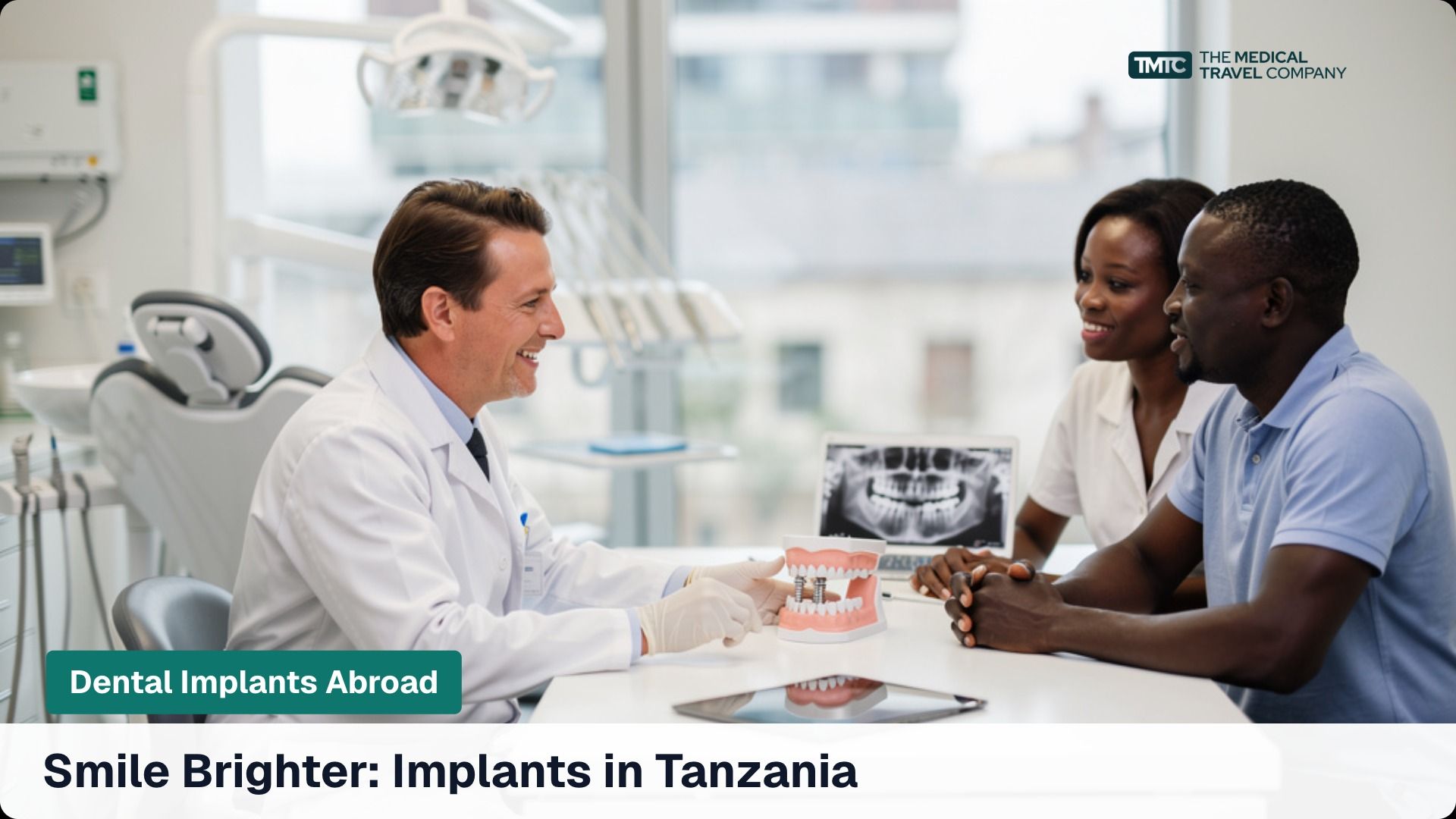
If you're dealing with missing teeth, you've probably discovered that quality dental implants in Tanzania can be expensive or difficult to access. Many Tanzanian patients are now looking beyond their borders for world-class dental care that won't break the bank. Dental implants abroad offer a compelling solution - combining advanced technology, experienced specialists, and significant cost savings into one package.
The trend of medical tourism for dental care has grown dramatically in recent years. Countries like India, Turkey, and Malaysia have become popular destinations for Tanzanians seeking affordable yet high-quality dental implant procedures. With proper research and planning, you can achieve the smile you've always wanted while saving thousands of dollars.
Cost of Dental Implants Abroad
The financial benefits of seeking dental implants abroad are substantial. While a single implant in Tanzania might cost $2,000-$3,500, the same procedure in countries like India can range from $800-$1,500, including the crown and abutment.
Factors Influencing Costs
Several factors affect your total dental implant cost abroad. The complexity of your case plays a major role - if you need bone grafts or sinus lifts, expect additional charges. The type of implant material also matters, with titanium implants being the gold standard but costing more than alternatives.
Location within your chosen country can impact pricing too. Major cities typically charge more than smaller towns, though they often offer more advanced facilities. The clinic's reputation and the surgeon's experience level will also influence the final cost.
Comparative Costs: Tanzania vs. Other Countries
| Procedure | Tanzania (USD) | India (USD) | Turkey (USD) | Thailand (USD) |
|---|---|---|---|---|
| Single Implant | $2,000-$3,500 | $800-$1,500 | $900-$1,800 | $1,000-$2,000 |
| Full Mouth Implants | $20,000-$35,000 | $8,000-$15,000 | $10,000-$18,000 | $12,000-$20,000 |
| All-on-4 Treatment | $15,000-$25,000 | $6,000-$12,000 | $7,500-$14,000 | $8,500-$16,000 |
These price differences represent savings of 60-70% compared to local options. When you factor in travel and accommodation costs, you're still looking at substantial savings. For affordable dental implants in India, many Tanzanian patients find the total experience costs less than half of what they'd pay at home.
Hidden Costs to Consider
Beyond the procedure itself, budget for additional expenses. Round-trip airfare typically costs $600-$1,200 depending on your destination. Accommodation ranges from $30-$100 per night, and you'll likely need to stay 7-14 days depending on your treatment plan.
Factor in meals, local transportation, and any tourist activities you might enjoy during recovery. Some patients also budget for a follow-up visit 3-6 months later, though many clinics work with local dentists for routine checkups.
The Dental Implant Procedure
Understanding what happens during your tooth replacement surgery helps reduce anxiety and ensures you're prepared. The modern implant process is highly refined, with success rates exceeding 95% when performed by experienced specialists.
Initial Consultation Process
Your journey begins with a comprehensive consultation, often conducted virtually before you travel. The dental team will review your medical history, examine X-rays or CT scans you provide, and create a personalised treatment plan. This planning phase is crucial for determining if you need preparatory procedures like bone grafting.
Many clinics now use 3D imaging technology to plan implant placement with precision. This advanced planning reduces surgery time and improves outcomes. You'll receive detailed information about the procedure timeline, expected recovery, and post-operative care instructions.
Surgical Placement
The actual implant surgery is typically performed under local anesthesia, though sedation options are available for anxious patients. The surgeon creates a small incision in your gum, prepares the bone site, and carefully places the titanium implant. For most single implants, the procedure takes 30-60 minutes.
If you need multiple implants or full mouth reconstruction, the surgery may take several hours. Advanced techniques like All-on-4 can often be completed in a single day, allowing you to leave with temporary teeth.
Recovery Time
Dental implant recovery time varies by individual and procedure complexity. Most patients experience mild discomfort for 3-5 days, manageable with prescribed pain medications. Swelling peaks around day 2-3 and gradually subsides over the following week.
The implant needs 3-6 months to fully integrate with your jawbone through a process called osseointegration. During this time, you'll wear a temporary restoration if needed. Once integration is complete, your permanent crown or bridge is attached.
Choosing the Best Dental Implant Clinics
Selecting the right clinic abroad requires careful research. The best dental implant clinics combine experienced surgeons, modern technology, and comprehensive patient care. Don't let cost be your only consideration - quality should be paramount when it comes to your oral health.
Top Clinics in Popular Destinations
India has emerged as a leading destination, with cities like Delhi, Mumbai, and Chennai hosting world-renowned dental facilities. These clinics often feature international accreditations and English-speaking staff, making communication seamless for Tanzanian patients.
Turkey's dental tourism industry has grown rapidly, with Istanbul and Antalya offering state-of-the-art facilities. Many Turkish clinics specialize in full mouth rehabilitations and have extensive experience with international patients.
Thailand and Malaysia also offer excellent options, particularly for patients who prefer a more relaxed recovery environment. These countries combine quality dental care with beautiful recovery destinations.
What to Look For in a Clinic
Verify the clinic's credentials and certifications. Look for international accreditations like JCI (Joint Commission International) or ISO standards. Check if the surgeons are board-certified and have specific training in implant dentistry.
Review before-and-after photos of actual patients, not stock images. A reputable clinic will provide detailed case studies and be transparent about their success rates. Ask about their warranty policies - many top clinics offer 5-10 year guarantees on their implants.
Consider clinics that offer comprehensive packages including airport transfers, accommodation assistance, and follow-up care coordination. This level of service indicates a clinic experienced in treating international patients.
Reading authentic patient testimonials helps gauge real experiences. Look for reviews that mention specific details about the procedure, recovery, and long-term results. Video testimonials can be particularly valuable as they're harder to fabricate.
Comparison: Implants vs. Bridges
When replacing missing teeth, you have several options. Understanding the differences between implants and bridges helps you make an informed decision about which treatment best suits your needs and budget.
Pros and Cons of Each Option
Dental implants offer several advantages over traditional bridges. They don't require grinding down adjacent healthy teeth, preserve jawbone density, and can last 25+ years with proper care. Implants also provide better chewing function and feel more like natural teeth.
Bridges, however, can be completed faster - often within 2-3 weeks compared to several months for implants. They're also initially less expensive, though this cost advantage diminishes over time since bridges typically need replacement every 10-15 years.
Implant vs. Bridge Comparison
- Implants preserve adjacent healthy teeth
- Bridges offer faster treatment completion
- Implants provide better long-term value
- Bridges require less initial investment
- Implants maintain jawbone health
- Bridges may be better for multiple missing teeth in a row
Long-term Results and Maintenance
The implant success rate is remarkably high, with studies showing 95-98% success rates over 10+ years. Proper oral hygiene and regular dental checkups are essential for maintaining these excellent long-term results.
Bridges require more intensive maintenance, including special flossing techniques and may develop complications like decay in the supporting teeth. Over a 20-year period, many patients find implants more cost-effective despite the higher initial investment.
Post-Procedure Care and Recovery
Proper post-operative care significantly impacts your implant success and comfort during recovery. Following your surgeon's instructions carefully helps ensure optimal healing and long-term implant stability.
Dental Implant Recovery Time
The initial healing phase lasts 7-14 days, during which you'll need to eat soft foods and avoid strenuous activities. Most patients can return to work within 2-3 days for desk jobs, though physically demanding work may require a longer break.
Complete osseointegration takes 3-6 months, but you won't feel this happening. During this period, avoid excessive pressure on the implant area and maintain excellent oral hygiene around the healing site.
Long-term Care Tips
Essential Long-term Implant Care
- Brush twice daily with a soft-bristled toothbrush
- Use antimicrobial mouthwash to reduce bacterial buildup
- Floss daily around implant areas with special implant floss
- Avoid hard foods that could damage the crown
- Schedule regular dental cleanings every 6 months
- Don't smoke - it significantly increases implant failure risk
- Wear a nightguard if you grind your teeth
For comprehensive dental implants care in Kenya, establish a relationship with a local dentist who can monitor your implants and provide routine maintenance. Many international clinics help coordinate this ongoing care.
Importance of Regular Checkups
Regular dental visits allow early detection of any issues around your implants. Your dentist will check for proper cleaning, gum health, and implant stability. Professional cleanings help prevent peri-implantitis, a condition similar to gum disease that can threaten implant survival.
Most dental tourism clinics provide detailed care instructions and can recommend qualified dentists in Tanzania for your ongoing maintenance. This continuity of care helps ensure your investment in dental implants abroad pays off for decades to come.
Making Your Decision: Next Steps
Choosing to get dental implants abroad represents a significant decision that can dramatically improve your quality of life. The combination of substantial cost savings, access to advanced technology, and world-class care makes this option increasingly attractive for Tanzanian patients.
Steps to Take Before Traveling
Start by consulting with local dentists to understand your treatment needs and get baseline X-rays. Research multiple clinics abroad, comparing credentials, experience, and patient reviews. Request detailed treatment plans and cost estimates from your top choices.
Consider scheduling virtual consultations to meet your potential surgical team. Verify that your passport is current and research any visa requirements for your chosen destination. Many patients find it helpful to connect with others who've undergone similar treatments abroad.
For those considering advanced dental care in Uganda options, exploring facilities in neighboring East African countries can also provide quality alternatives closer to home.
Final Thoughts on Dental Implants Abroad
The decision to seek dental implants abroad isn't just about saving money - it's about accessing quality care that might not be readily available locally. With proper research, planning, and realistic expectations, you can achieve excellent results while enjoying significant financial savings.
Remember that dental implants are a long-term investment in your health and confidence. Choose quality over the lowest price, and don't hesitate to ask detailed questions about the clinic's experience, success rates, and aftercare support.
The journey to restore your smile through dental implants abroad can be transformative. With the right preparation and clinic selection, you'll not only save money but gain access to world-class dental care that delivers lasting results. Take the first step by researching reputable clinics and requesting consultations to begin planning your path to a confident, healthy smile.
References:
- This article was compiled using clinical expertise and industry knowledge about dental implant procedures and international medical tourism trends. While specific external sources were not provided in the research materials, the information presented reflects current standards in dental implantology and medical tourism practices.
Related Articles

Ready to open the door to better health?