Kidney Transplant Abroad for Saudi Arabian Patients: Your Complete Guide
Explore options for kidney transplant abroad for Saudi Arabian patients including costs, recovery, and world-class care.
Last Updated On 29 April 20269m


Medical professional with 10+ years’ experience in diagnosis, patient care, and clinical leadership.
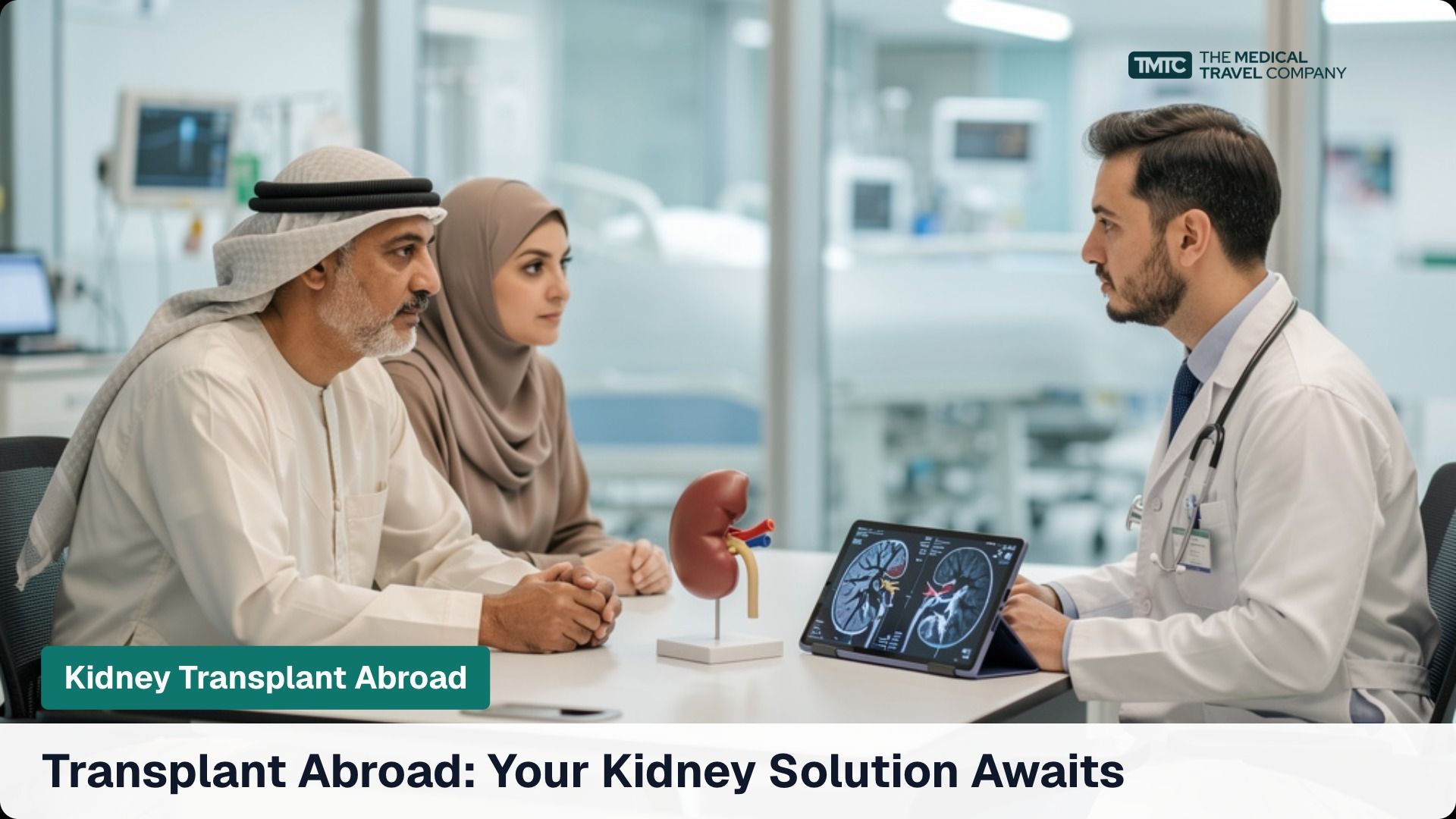
When chronic kidney disease progresses to end-stage renal failure, a kidney transplant often becomes your best chance for returning to a healthy, active life. For Saudi Arabian patients, exploring transplant options abroad can open doors to shorter waiting times, advanced surgical techniques, and comprehensive care packages that make the journey more manageable.
What Makes Kidney Transplantation Life-Changing
A kidney transplant replaces your failed kidney with a healthy one from a donor, offering freedom from the exhausting routine of dialysis. Unlike dialysis, which filters waste from your blood several times a week, a transplanted kidney works 24/7 to maintain your body's fluid balance and filter toxins naturally.
The success of your transplant depends heavily on finding a compatible donor. Blood type compatibility is essential, but tissue matching through HLA (human leukocyte antigen) testing determines how well your immune system will accept the new organ. The better the match, the lower your risk of rejection.
Living donor transplants, often from family members, typically offer better outcomes than organs from deceased donors. Living donor kidneys start working immediately and last longer - about 20-25 years compared to 15-20 years for deceased donor organs. However, finding a living donor isn't always possible, which is where international treatment options become valuable.
Why Saudi Patients Choose Transplant Treatment Abroad
Many Saudi Arabian patients discover significant advantages when considering kidney treatment options internationally. The primary benefits include reduced waiting times, access to cutting-edge surgical techniques, and comprehensive care packages designed specifically for international patients.
Leading transplant centers in countries like Turkey, India, and Germany have developed specialized programs for Middle Eastern patients. These hospitals maintain international accreditation from organizations like JCI (Joint Commission International) and offer the same quality standards you'd expect from top Saudi medical facilities, often with shorter waiting periods for deceased donor organs.
Cost considerations also play a significant role. While kidney transplant surgery in Saudi Arabia through private healthcare can be expensive, international options often provide comprehensive packages that include surgery, accommodation, follow-up care, and even family support services at competitive rates.
| Service Component | Saudi Arabia (Private) | International Options |
|---|---|---|
| Transplant Surgery | $45,000-70,000 | $25,000-45,000 |
| Pre-transplant Evaluation | $3,000-5,000 | $2,000-3,500 |
| 3-month Follow-up Care | $8,000-12,000 | $4,000-8,000 |
| Accommodation (30 days) | $4,000-8,000 | Often included in package |
| Family Support Services | Limited availability | Comprehensive programs available |
Step-by-Step: Your Transplant Journey Abroad
Understanding the transplant process helps you prepare mentally and practically for this life-changing procedure. International transplant centers have streamlined their processes to make the experience as smooth as possible for overseas patients.
1. Initial Consultation and Medical Review
Your journey starts with a comprehensive medical evaluation. Most international centers now offer virtual consultations where you can discuss your case with transplant specialists without traveling. You'll need to provide recent medical records, including kidney function tests, imaging studies, and your current treatment history.
During this phase, specialists assess whether you're a good candidate for transplantation. Factors like your overall health, heart function, and ability to handle major surgery all influence this decision. The team will also evaluate potential living donors if you have family members interested in donation.
2. Pre-Transplant Testing and Preparation
Once you're approved as a transplant candidate, extensive testing begins. Blood work includes tissue typing, infection screening, and immune system evaluation. You'll also undergo cardiac testing, chest imaging, and sometimes a colonoscopy or other age-appropriate cancer screening.
This testing phase typically takes 1-2 weeks if you're staying at the destination, or can be partially completed in Saudi Arabia with results sent to your chosen transplant center. Many hospitals coordinate with Saudi labs to minimize your time away from home.
3. Surgery Day and Immediate Recovery
Kidney transplant surgery typically lasts 3-5 hours. The surgeon places your new kidney in your lower abdomen, usually on the right side, connecting it to nearby blood vessels and your bladder. Surprisingly, your own kidneys usually stay in place unless they're causing complications.
Most patients spend 5-7 days in the hospital after surgery. During this time, your medical team monitors kidney function closely and adjusts your immunosuppressive medications to prevent rejection while minimizing side effects.
4. Recovery and Follow-up Care
Recovery typically requires staying near the transplant center for 4-6 weeks. This allows for frequent monitoring of kidney function and medication adjustments. Many international centers provide accommodation services or partner with nearby hotels to make this period more comfortable for patients and families.
Essential Recovery Checklist
- Take immunosuppressive medications exactly as prescribed
- Attend all scheduled follow-up appointments
- Monitor for signs of infection or rejection
- Maintain a healthy diet and gradually increase activity
- Coordinate long-term care with Saudi healthcare providers
Understanding Costs and Financial Planning
Financial planning for transplant surgery abroad requires understanding both direct medical costs and indirect expenses like travel and accommodation. Most international transplant centers offer package pricing that provides better value than paying for individual services.
Package deals typically include pre-transplant evaluation, surgery, hospital stay, immediate post-operative care, and sometimes accommodation for recovery period. Additional costs might include extended stay requirements, family accommodation, and follow-up care beyond the initial package.
Insurance coverage varies significantly. Some Saudi insurance plans cover emergency treatment abroad, while others may require pre-authorization for elective procedures. It's essential to understand your coverage before making commitments. Many patients find that even paying out-of-pocket for international treatment can be more cost-effective than private treatment within Saudi Arabia.
Several international hospitals offer financing options or payment plans specifically designed for overseas patients. Some also work with medical tourism companies that can help coordinate care and provide transparent pricing upfront.
Navigating Risks and Long-term Considerations
Like any major surgery, kidney transplantation carries risks that you should understand fully before proceeding. Immediate surgical risks include bleeding, infection, and complications from anesthesia. However, experienced transplant centers maintain very low complication rates, typically under 5% for major surgical complications.
Long-term risks center around organ rejection and side effects from immunosuppressive medications. Rejection episodes occur in about 10-15% of patients during the first year, but most are treatable when caught early. This is why consistent follow-up care is crucial for transplant success.
Immunosuppressive medications, while essential for preventing rejection, increase your risk of infections and certain cancers. Regular monitoring helps detect problems early. Most patients find that the freedom from dialysis and improved quality of life far outweigh these manageable risks.
Planning for long-term care before your transplant is essential. You'll need coordination between your international transplant center and Saudi healthcare providers for ongoing monitoring, medication management, and routine medical care.
Choosing Your Transplant Center
Selecting the right transplant center significantly impacts your experience and outcomes. Look for hospitals with international accreditation, experience treating Middle Eastern patients, and transparent success rate reporting.
Hospital Selection Criteria
- JCI or equivalent international accreditation
- Published transplant success rates and patient volumes
- Experience with Middle Eastern patients and cultural considerations
- Comprehensive support services for international patients
- Clear communication about costs and what's included
- Coordination with Saudi healthcare providers for follow-up care
Top international transplant centers typically perform hundreds of kidney transplants annually, with one-year success rates above 95%. They should provide you with specific statistics about their outcomes, including patient survival rates and average kidney function at one and five years post-transplant.
Consider the hospital's location and infrastructure too. Centers in major cities often provide better family support services, accommodation options, and easier travel logistics. Some hospitals have dedicated international patient coordinators who speak Arabic and understand Saudi cultural preferences.
Real Patient Experiences
Many patients highlight the comprehensive support services available at international centers. Family accommodation, interpreter services, and coordination with Saudi physicians for long-term follow-up care are often included in treatment packages, making the experience less stressful than initially anticipated.
The key lesson from successful patient experiences is the importance of thorough research and preparation. Patients who invest time in understanding their options, preparing necessary documentation, and establishing clear communication with their chosen center report the most positive outcomes and smoothest experiences.
Taking Your Next Steps
If you're considering kidney transplant surgery abroad, start by gathering your complete medical records and consulting with a transplant specialist to determine your candidacy. Many international centers offer virtual consultations that can provide initial guidance without requiring travel.
Research thoroughly, but don't let perfect become the enemy of good. The most important factor is finding a center with strong outcomes, experience with Saudi patients, and a comprehensive support system that makes you feel confident about your care.
At The Medical Travel Company, we understand that choosing to pursue transplant surgery abroad represents a significant decision for you and your family. Our expert guidance helps you navigate the complexities of international healthcare, from selecting the right transplant center to coordinating your entire care journey. We work with world-class transplant centers that specialize in providing exceptional care for Middle Eastern patients, ensuring you receive not just outstanding medical treatment, but also the cultural understanding and support services that make your experience as smooth as possible.
Your kidney transplant journey abroad can provide access to advanced care, shorter waiting times, and comprehensive support services designed specifically for international patients. With proper planning and the right medical team, you can take confident steps toward regaining your health and quality of life.
References:
- National Kidney Foundation- Information about kidney transplantation process and outcomes
- United Network for Organ Sharing- Transplant statistics and success rates
- Joint Commission International- Hospital accreditation standards for international healthcare
Ready to open the door to better health?