What Is a Pacemaker? A Complete Guide for Patients in Nigeria
Discover the meaning, types, and costs of pacemakers in Nigeria, plus insights into procedures and recovery.
Last Updated On 17 April 20269m


Medical professional with 10+ years’ experience in diagnosis, patient care, and clinical leadership.
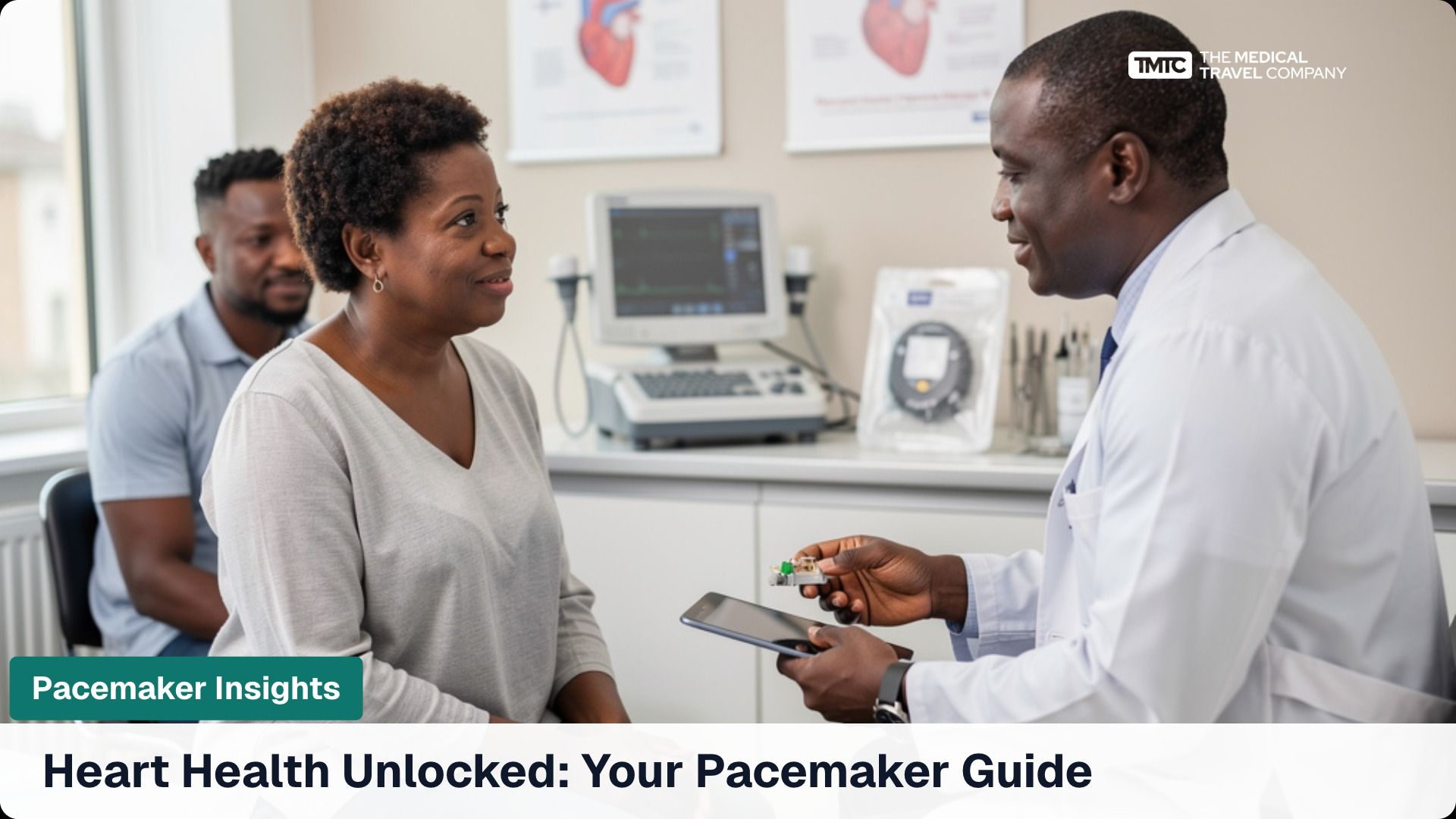
If your doctor mentioned you might need a pacemaker, you're probably wondering what this small device actually does and how it could change your life. A pacemaker is a life-saving medical device that helps regulate your heart's rhythm when it beats too slowly or irregularly. For many Nigerians dealing with heart rhythm disorders, understanding the meaning of a pacemaker and available treatment options is the first step toward better heart health.
Understanding Pacemakers
What is a Pacemaker?
A pacemaker is a small, battery-operated device that monitors your heart's electrical activity and sends electrical impulses when needed to maintain a normal heart rate. According to MedlinePlus, newer pacemakers weigh as little as 1 ounce (28 grams) and consist of two main parts: the generator containing the battery and control system, and the leads, which are wires that connect to your heart.
Think of your pacemaker as a backup electrical system for your heart. When your heart's natural pacemaker - called the sinoatrial node - doesn't work properly, the pacemaker device steps in to ensure your heart maintains a steady, life-sustaining rhythm.
How Do Pacemakers Work?
Your heart has its own electrical system that controls when and how it beats. WebMD explains that when this natural system fails, a pacemaker sends electrical impulses to help control your heartbeat. The device continuously monitors your heart rhythm and only activates when it detects your heart is beating too slowly.
Modern pacemakers are "smart" devices. They can distinguish between your natural heartbeats and when intervention is needed. During physical activity, they can increase your heart rate to match your body's demands, then slow it down during rest periods.
Why Are Pacemakers Needed?
Heart rhythm disorders affect many people worldwide, and Nigeria is no exception. The NHS identifies several conditions that may require pacemaker treatment, including heart block, arrhythmias, and certain types of heart failure.
In Nigeria, limited access to early cardiac care means some patients develop more severe rhythm problems that could benefit from pacemaker therapy. Common symptoms that might indicate the need for a pacemaker include frequent fainting, severe fatigue, dizziness, and shortness of breath during normal activities.
Types of Pacemakers and Their Functions
Not all pacemakers are the same. Your cardiologist will recommend the type that best suits your specific heart condition and lifestyle needs.
Temporary vs. Permanent Pacemakers
Temporary pacemakers are used during emergencies or after certain heart surgeries. The wires remain outside your body, connected to an external device. These are typically used for days to weeks while your heart recovers or until a permanent solution is determined.
Permanent pacemakers are implanted under your skin and designed to work for many years. The battery typically lasts 7-15 years, depending on how often the device needs to pace your heart. Research from Nigerian hospitals shows successful outcomes with permanent pacemaker implantation, even in resource-limited settings.
Single-Chamber vs. Dual-Chamber Pacemakers
Single-chamber pacemakers have one lead that connects to either your heart's upper chamber (atrium) or lower chamber (ventricle). These are simpler devices, often used when only one part of your heart needs pacing support.
Dual-chamber pacemakers have leads in both the atrium and ventricle, allowing for more natural heart rhythm coordination. These devices can sense activity in both chambers and coordinate the timing between them, more closely mimicking your heart's natural rhythm.
| Pacemaker Type | Number of Leads | Best For | Complexity |
|---|---|---|---|
| Single-chamber | 1 lead | Simple rhythm problems | Lower complexity |
| Dual-chamber | 2 leads | More complex rhythm issues | Moderate complexity |
| Biventricular | 3 leads | Heart failure cases | Higher complexity |
The Pacemaker Procedure
Understanding what happens during pacemaker implantation can help reduce anxiety about the procedure. Most patients find the process less intimidating than they initially expected.
Preparation and What to Expect
Before your procedure, you'll have several tests, including blood work, chest X-rays, and possibly an echocardiogram. Your doctor will review your medications, as some may need to be adjusted before surgery. Mayo Clinic notes that you'll typically need to avoid eating or drinking for several hours before the procedure.
The procedure is usually done under local anesthesia with sedation, meaning you'll be relaxed but awake. This allows your doctor to test the pacemaker while you're conscious and ensure it's working properly with your heart's natural rhythm.
Step-by-Step Pacemaker Implantation
The pacemaker implantation steps typically follow this sequence: First, your chest area is cleaned and numbed with local anesthetic. Your surgeon makes a small incision, usually below your left collarbone, and creates a pocket under your skin for the pacemaker device.
Next, the leads are inserted through a blood vessel and guided to your heart using X-ray imaging. Once positioned correctly, the leads are tested to ensure proper electrical connection. Finally, the pacemaker generator is connected to the leads and placed in the pocket under your skin, and the incision is closed with stitches.
The entire procedure usually takes 1-3 hours. Most patients can go home the same day or after an overnight stay for observation.
Recovery and Follow-Up Care
After your procedure, you'll need to keep the incision site clean and dry for about a week. Avoid lifting your arm above shoulder level on the pacemaker side for 4-6 weeks to allow the leads to settle properly. Most people return to normal activities within a few weeks.
Regular follow-up appointments are crucial for optimal pacemaker function. Your device will be checked every 3-6 months to ensure proper operation and battery life. Many modern pacemakers can transmit data remotely, allowing your doctor to monitor your heart rhythm from a distance.
Costs and Healthcare Access in Nigeria
One of the biggest concerns for Nigerian patients considering pacemaker therapy is affordability and access to quality care.
Pacemaker Cost in Nigeria
Pacemaker cost Nigeria can vary significantly depending on the type of device and where you receive treatment. Local hospital costs may range from ₦2-8 million naira, while traveling abroad for treatment might offer more competitive pricing with world-class facilities.
The total cost includes the device itself, surgical fees, hospital stay, and follow-up care. Research on cardiac pacing in Sub-Saharan Africa highlights cost as a major barrier to accessing this life-saving technology.
For Nigerian patients seeking affordable cardiology care, medical tourism to countries like India can provide access to advanced pacemaker technology at significantly reduced costs, often saving 50-75% compared to local private healthcare options.
Insurance and Payment Options
Most private health insurance plans in Nigeria have limited coverage for cardiac devices. However, some newer insurance products are beginning to include cardiac care. It's essential to check your policy details and understand what's covered before proceeding with treatment.
Many patients explore medical loans, family support, or employer health benefits to fund their treatment. Some international medical facilities offer payment plans specifically designed for Nigerian patients seeking cardiac care abroad.
Questions to Ask About Pacemaker Costs
- What type of pacemaker do I need, and what's the total cost?
- Does my insurance cover any portion of the treatment?
- Are there payment plan options available?
- What's included in the quoted price (device, surgery, follow-up)?
- Are there less expensive alternatives that meet my needs?
- What are the long-term costs for device monitoring and battery replacement?
Risks and Important Considerations
Like any surgical procedure, pacemaker implantation carries some risks, though serious complications are relatively uncommon when performed by experienced cardiac specialists.
Common Risks of Pacemaker Surgery
The risks of pacemaker surgery include infection at the implant site, bleeding, blood vessel damage, and rarely, punctured lung during lead placement. A five-year study of pacemaker experiences shows that most complications are minor and treatable when caught early.
Device-related complications can include lead displacement, electrical problems, or device malfunction. However, modern pacemakers have excellent reliability rates, and serious device failures are uncommon.
Long-Term Living with a Pacemaker
Most people with pacemakers live normal, active lives. You can exercise, travel, and work normally, though you'll need to avoid strong magnetic fields and inform medical providers about your device before certain procedures.
Modern pacemakers are designed to be MRI-compatible, but you should always inform any healthcare provider about your device. Airport security systems won't damage your pacemaker, but the metal detector may beep - carry your device identification card for easy explanation.
When to Seek Immediate Help
Contact your doctor immediately if you experience chest pain, shortness of breath, dizziness, or fainting after pacemaker implantation. Signs of infection include fever, redness, swelling, or drainage at the incision site.
If you feel your heart racing or notice irregular rhythms that concern you, don't wait - contact your cardiac care team. Regular monitoring and open communication with your healthcare providers ensure optimal long-term outcomes.
Getting Expert Guidance
Choosing the right treatment path for your heart condition requires expert guidance and access to world-class cardiac care. Many Nigerian patients are discovering that seeking treatment abroad can provide access to advanced technology, experienced specialists, and comprehensive care at more affordable prices.
When facing a heart rhythm disorder that might require pacemaker therapy, time is often critical. Getting a second opinion from cardiac specialists with extensive experience in pacemaker implantation can help ensure you receive the most appropriate treatment for your specific condition.
Remember that pacemaker technology continues to advance rapidly. Working with cardiac teams who have access to the latest devices and techniques can significantly improve your treatment outcomes and long-term quality of life.
If you're considering pacemaker treatment, don't let cost concerns prevent you from exploring all your options. Many Nigerian patients find that seeking treatment through specialized medical tourism programs provides access to expert guidance, advanced technology, and comprehensive care at prices significantly lower than local private healthcare options.
References
- MedlinePlus - Heart Pacemaker- Comprehensive guide to pacemaker devices and procedures
- WebMD - Pacemaker Guide- Information on pacemaker function and implantation
- NHS - Pacemaker Implantation- Medical conditions requiring pacemaker treatment
- PMC - Early Experience with Permanent Pacemaker Implantation- Nigerian hospital research on pacemaker outcomes
- Mayo Clinic - Pacemaker- Pre-procedure preparation guidelines
- PMC - Cardiac Pacing Challenge in Sub-Saharan Africa- Research on cost barriers to cardiac care
- PMC - Five Year Experience of Permanent Pacemaker- Study on pacemaker complications and outcomes

Ready to open the door to better health?