Pacemaker Implant Cost in India for Nigerian Patients
A complete guide to pacemaker costs, treatment options, and what Nigerian patients can expect in India.
Published on 14 September 20269m


Medical professional with 10+ years’ experience in diagnosis, patient care, and clinical leadership.
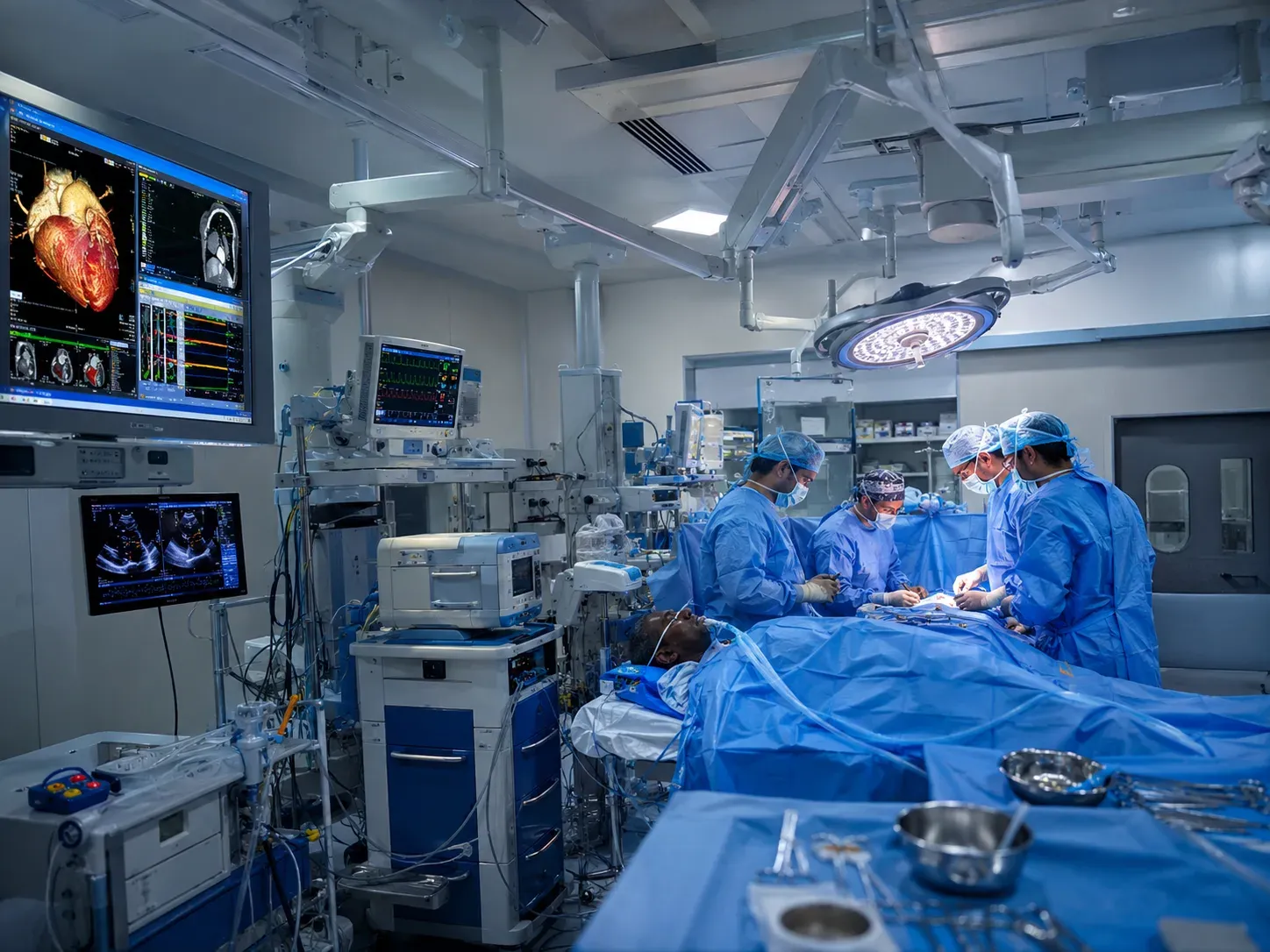
TMTC's base rate for a permanent pacemaker implant in India is US$4,510 for Nigerian patients, against a comparison figure of US$6,620 in Nigeria and US$8,620 in Turkey. The final cost follows the treatment plan, and the largest variable is the device itself rather than the procedure that places it. Implants take place at JCI and NABH accredited partner hospitals including Fortis, Medanta, Artemis, MAX and Apollo.
Key takeaways
- TMTC's base rate for a permanent pacemaker implant in India for Nigerian patients is US$4,510, with the final cost following the treatment plan.
- The comparable figure is US$6,620 in Nigeria and US$8,620 in Turkey.
- The device drives the price, since single chamber, dual chamber and MRI-conditional pacemakers are different products at different costs, so the quote should name the model.
- A pacemaker is a long relationship rather than a one-off procedure, so establish before travelling where in Nigeria it can be checked and eventually replaced.
Pacemaker pricing at home and what drives it
In Nigeria the comparison figure is US$6,620, generally self-financed.
Pacemaker pricing behaves differently from most surgical pricing, and it is worth knowing why. The procedure is short and the stay often a single night, so theatre time makes up a small part of the bill. The device and its leads are usually the largest line, and they come from a handful of international manufacturers who sell into every market. That shapes the whole comparison, because a quote that looks low may simply have assumed a simpler device.
Key point: Have the quote name the pacemaker by manufacturer and model rather than by category. Two devices both called dual chamber can differ in price, battery longevity and whether they are safe for future MRI scanning.
Single chamber, dual chamber and what the quote assumes
Five points settle a pacemaker quote, and each has an answer somebody can write down.
Which device is included, named by manufacturer and model? Is it single or dual chamber, a choice your rhythm diagnosis decides? Is it MRI-conditional, given how common future scans are? What battery longevity does the manufacturer state for that model, since a device lasting several years longer changes the arithmetic of the whole decision? And does the figure cover the leads, the implant procedure, the overnight stay and the device check before discharge?
Bring the rhythm evidence with you. Your ECGs, any Holter monitor traces and the cardiologist's letter setting out why pacing is indicated are what feed the device choice, so the Indian specialist can plan against evidence rather than a summary.
The India base rate for a permanent pacemaker
TMTC's base rate for a permanent pacemaker implant for Nigerian patients is US$4,510, with the final cost following the treatment plan.
| Procedure | India | Turkey | Nigeria |
|---|---|---|---|
| Permanent pacemaker implant | US$4,510 | US$8,620 | US$6,620 |
Because the device dominates the cost, the itemised quote matters more here than the headline does. It follows an online consultation with the treating Indian specialist, and should separate the device from the procedure. Around it sit the record review, medical visa support, flight booking assistance, airport transfers, accommodation for you and a companion, an interpreter, a dedicated coordinator, and the discharge summary and imaging handover.
Where the difference in price comes from
Pacemakers are the clearest case for being precise about this. The device is an internationally manufactured product, so the saving does not come from a lower-priced implant. It comes from everything around the device: hospital operating costs, clinical salaries, length of stay, and the volume of implants a large cardiac unit performs each year.
That distinction is one you can check. Have the quote name the manufacturer and model, then confirm the hospital on Joint Commission International's
accredited international organisations
and NABH's accredited healthcare organisations
.Why TMTC. Every plan is reviewed by a UK-registered GP, TMTC's Medical Director of Primary Care, alongside your treating Indian specialist. Treatment is at JCI and NABH accredited partner hospitals, using the implant brands specified in UK and German hospitals. You recover at our aftercare centre with a doctor and nurse on site around the clock until a clinician certifies you fit to fly, and one coordinator handles the visa file, flights, transfers, interpreter and companion accommodation.
The implanting cardiologist and what happens afterwards
Find out how many pacemaker implants the named cardiologist performs in a year, then establish who manages the two complications that matter most early on, lead displacement and infection at the pocket site.
One question is specific to travelling for a device, and worth settling before anything is booked. Programmers are manufacturer-specific, so the clinic checking yours needs equipment matching the brand implanted. Find out which centres in Lagos, Abuja or Port Harcourt can interrogate the model you are offered, and confirm it with them directly rather than assuming. The same applies years later when the generator needs changing. You can review the
specialists
first. Every recommendation is reviewed by TMTC's Medical Director of Primary Care, a UK-registered GP, giving the plan an additional layer of independent UK clinical oversight. That review covers continuity and the reading of your records rather than the surgery itself.Nigeria does not appear on the Government of India's
e-Visa eligibility list
, so the route is a paper medical visa lodged in person in Abuja or Lagos. The mission asks for a signed invitation letter from the Indian hospital, sent from its own verifiable domain email address and giving the treatment and its start and end dates. Alongside it you will need a typed referral letter from a reputable Nigerian hospital, stamped and signed after examination, and a certified three month bank statement or a bank guarantee letter covering medical and living costs. Yellow fever vaccination is required for all except infants under six months, and oral polio or IPV for residents of Nigeria, with that certificate valid for a year from the date it is administered. Requirements change, so read the current list on the High Commission of India, Abuja
page before you apply.Going home with a device: records, checks and cover
You leave with something you did not arrive with, and the paperwork travels with you for life. The implant card names the device, the leads, the centre and the date, and it is the first thing an imaging department or emergency team will look for.
Our patients stay at the
aftercare centre
, where a doctor and nurse are on site around the clock, physiotherapy runs daily and meals are designed by a nutritionist, until a clinician certifies them fit to fly, rather than until a booking expires. The post-treatment insurance included for Nigerian patients covers a return flight to India and treatment in India if a complication arises, rather than treatment in Nigeria. You return with the implant card, the discharge summary, the programmed settings, a structured remote follow-up schedule and coordination with your own cardiologist.Patient tip: Photograph the implant card and email a copy to yourself, your cardiologist and one family member on the day it is issued. Cards live in wallets for decades, and the information is difficult to reconstruct later.
A Device Decision Worth Slowing Down For
Pacemaker decisions reward patience, because the device outlasts the trip by years. Have the model named in writing. Establish its stated battery life and whether it is MRI-conditional. Confirm which clinic in Nigeria can check it and change the generator when the time comes. And verify the hospital on the accreditation registries yourself. If you would like those settled against your own ECGs and cardiologist's letter, a
free consultation
is where TMTC's Nigeria service
starts.Frequently asked questions
How much does a pacemaker cost in India for Nigerian patients?
TMTC's base rate for a permanent pacemaker implant is US$4,510, against a comparison figure of US$6,620 in Nigeria. That is a base rate rather than a final price. Because the device is the largest single cost, your quote depends heavily on which model your rhythm diagnosis calls for.
What kind of pacemaker will I be given?
Your rhythm diagnosis decides that, and the treating cardiologist chooses between a single and a dual chamber device. Bring your ECGs and any Holter traces so the choice rests on evidence, and have the agreed model named in your quote.
How long does a pacemaker battery last?
Manufacturers state an expected longevity for each model, though it varies with how much pacing you need. Establish the figure for the exact model offered, since a generator change is a further procedure and belongs in your longer term planning.
Can my pacemaker be checked once I am back in Nigeria?
Programmers are specific to the manufacturer, so the clinic checking your device needs matching equipment. Identify a centre in Lagos, Abuja or your own city that supports the brand being implanted, and confirm it with that clinic directly before you travel.
How long do I need to stay in India for a pacemaker implant?
The hospital stay is usually short, though departure follows a clinician certifying you fit to fly rather than a booked date. Allow time for the wound to settle and for the first device check, and build that margin into your treatment dates.
Sources referenced for this guide: TMTC client cost sheet for Nigeria and published service pages; Government of India e-Visa portal; High Commission of India, Abuja, visa requirements; Joint Commission International and NABH accreditation directories.
Please note: Visa requirements, fees and arrangements change from time to time. Confirm the current position with the relevant mission or official portal before booking travel or committing to treatment.
Disclaimer. This article is for general information only and is not medical advice. It does not replace consultation with a qualified doctor. Treatments, risks, recovery and outcomes vary by individual and depend on your personal circumstances; speak to a registered clinician before making any treatment decision. Insurance cover, including any post-treatment cover, is subject to the full terms, limits and exclusions of the policy document, which is provided before you book.
Ready to open the door to better health?