How to Freeze Your Eggs in Nigeria: Costs, Process, and Eligibility Explained
Discover the comprehensive guide on egg freezing in Nigeria—costs, eligibility, and the complete process to secure your fertility.
Last Updated On 17 April 202610m


Medical professional with 10+ years’ experience in diagnosis, patient care, and clinical leadership.
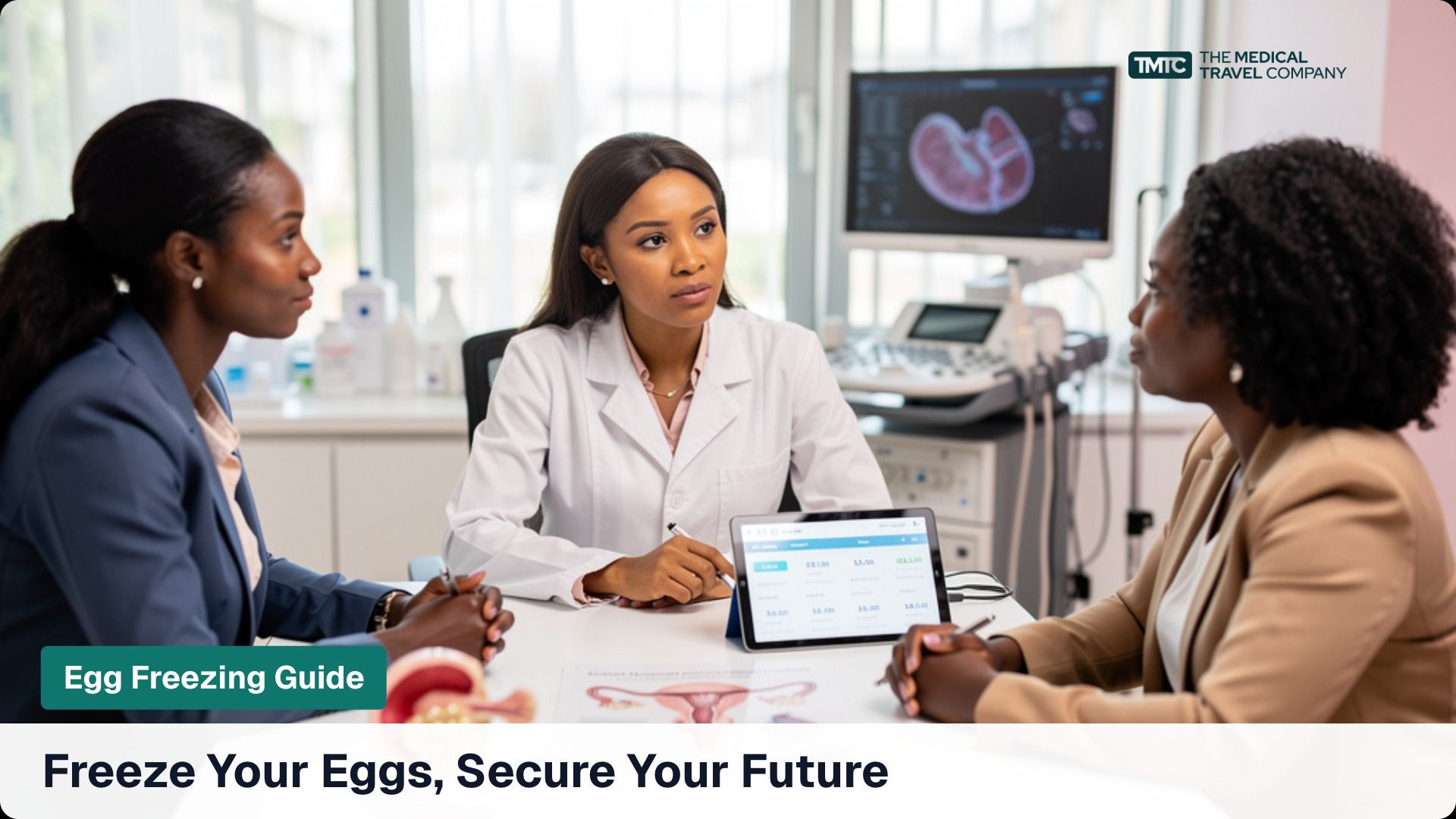
Fertility preservation isn't just for women battling cancer anymore. Today, more women in Nigeria are exploring egg freezing as a proactive step to secure their reproductive future. Whether you're focused on career advancement, waiting for the right partner, or simply want the peace of mind that comes with having options later, egg freezing gives you control over your biological clock.
The good news? Nigeria's fertility care landscape has evolved significantly in recent years. With world-class fertility care now accessible at a fraction of global costs, you don't need to travel abroad for quality egg freezing services. Let's walk through everything you need to know about the process, costs, and what to expect.
What is Egg Freezing?
Egg freezing, medically known as oocyte cryopreservation, is a process where your mature eggs are extracted from your ovaries and frozen for future use. Think of it as hitting the pause button on your fertility. The eggs remain viable for years, even decades, maintaining the same quality they had when frozen.
The technology has come a long way since Louise Brown's birth through assisted reproductive technology in 1978. Today's vitrification process, which rapidly freezes eggs to prevent ice crystal formation, has dramatically improved success rates. This means your 30-year-old eggs will still be 30 years old when you're ready to use them at 40.
Women choose egg freezing for various reasons: advancing their education, establishing careers, medical treatments that might affect fertility, or simply wanting more time to find the right partner. It's about having choices and not feeling pressured by your biological timeline.
Eligibility Requirements for Egg Freezing in Nigeria
Not everyone is an ideal candidate for egg freezing, and understanding the eligibility criteria will help you make an informed decision. Nigerian fertility clinics generally follow international standards when assessing candidates.
Age Considerations
Your age is the most crucial factor in egg freezing success. Women between 20-35 typically have the best outcomes, with optimal results seen in those under 30. While you can freeze eggs up to age 40, the quality and quantity of eggs decline with age, affecting future pregnancy rates.
Don't let age discourage you completely, though. Even women in their late 30s can benefit from egg freezing, especially if they have good ovarian reserve. The key is realistic expectations and understanding that younger eggs mean better chances of future pregnancy.
Health Assessments
Before starting the process, you'll undergo comprehensive health screening. This includes blood tests for hormone levels, infectious diseases, and genetic conditions. Your medical history will be reviewed, particularly any conditions that might affect your ovaries or overall reproductive health.
Nigerian women with sickle cell disease need special consideration, as studies from Nigeria show that AMH levels decline faster in women with SCD, potentially affecting ovarian reserve and requiring earlier intervention.
Ovarian Reserve Testing
Your ovarian reserve indicates how many eggs you have left and their quality. This is assessed through Anti-Müllerian Hormone (AMH) blood tests and antral follicle count via ultrasound. These tests help predict how well you'll respond to fertility medications and how many eggs might be retrieved.
Pre-Egg Freezing Health Checklist
- Age assessment (ideally under 35)
- Comprehensive blood work including hormone levels
- Ovarian reserve testing (AMH and ultrasound)
- Infectious disease screening
- Review of medical and family history
- Psychological counseling session
- Financial planning consultation
The Egg Freezing Process
Understanding each step of the egg freezing journey helps you prepare mentally and physically for what's ahead. The entire process typically takes about 2-3 weeks from start to finish.
1. Initial Consultation and Planning
Your fertility specialist will create a personalised treatment plan based on your test results, medical history, and goals. You'll discuss realistic expectations, timeline, and any concerns you might have. This is also when you'll learn about the medications you'll be taking and their potential side effects.
The consultation is crucial for understanding your specific situation. Some women might need additional testing or preparation before starting stimulation, especially if there are underlying health conditions that could affect the process.
2. Ovarian Stimulation Phase
For about 10-14 days, you'll give yourself daily hormone injections to stimulate your ovaries to produce multiple eggs instead of the usual one per month. These medications include follicle-stimulating hormone (FSH) and luteinizing hormone (LH) to encourage egg development.
During this phase, you'll visit the clinic every few days for monitoring through blood tests and ultrasounds. Your doctor will track how your follicles are growing and adjust medication dosages as needed. Most women find the injections manageable, though some experience mild bloating or mood changes.
3. Egg Retrieval Procedure
When your eggs are mature, you'll receive a trigger shot to final egg maturation. About 34-36 hours later, you'll undergo the egg retrieval procedure. This is done under light sedation using a thin needle guided by ultrasound to collect eggs from your ovarian follicles.
The procedure typically takes 20-30 minutes, and you'll go home the same day after a brief recovery period. Some women experience mild cramping or spotting afterward, but serious complications are rare when performed by experienced specialists.
4. Freezing and Storage
Retrieved eggs are immediately assessed for maturity. Mature eggs are frozen using vitrification, a rapid freezing process that prevents ice crystal formation that could damage the egg. The entire process from retrieval to freezing happens within hours to maintain optimal egg quality.
Success rates for egg freezing vary by age, with women under 35 typically seeing 85-90% of eggs surviving the thawing process. For women aged 35-37, survival rates range from 75-85%, while those over 38 see slightly lower rates. However, advances in freezing technology continue to improve these outcomes.
Costs of Egg Freezing in Nigeria
One of the biggest advantages of pursuing fertility care in Nigeria is the significant cost savings compared to other countries. You can expect to save up to 50% compared to similar treatments abroad while receiving world-class care.
| Service | Estimated Cost (NGN) | Notes |
|---|---|---|
| Initial consultation & testing | ₦100,000 - ₦200,000 | Includes hormonal tests and ultrasounds |
| Medications for stimulation | ₦300,000 - ₦500,000 | Varies based on dosage and duration |
| Egg retrieval procedure | ₦800,000 - ₦1,200,000 | Includes anesthesia and lab processing |
| First year storage | ₦200,000 - ₦300,000 | Annual fee for cryopreservation |
| Total first cycle | ₦1,400,000 - ₦2,200,000 | Complete package for one cycle |
Several factors can influence your total costs. Younger women might need lower medication doses, reducing the overall expense. Some women might need multiple cycles to retrieve sufficient eggs, while others achieve their goals in one cycle. Insurance coverage for fertility preservation is limited in Nigeria, so most patients pay out-of-pocket.
Many Nigerian fertility clinics offer payment plans or packages that can make the process more affordable. Some also provide discounts for multiple cycles or if you're combining egg freezing with other fertility treatments. It's worth discussing financial options during your consultation.
Storage Duration and Maintenance
Your frozen eggs can remain viable for decades when stored properly. In Nigeria, most clinics follow international guidelines allowing storage for up to 10 years, with options for extension in special circumstances. The key is maintaining consistent ultra-low temperatures of -196°C in liquid nitrogen.
Annual storage fees range from ₦200,000 to ₦400,000, depending on the clinic and storage facilities. These fees cover the cost of maintaining the specialized equipment, regular monitoring, and backup power systems essential for preserving your eggs.
Before committing to long-term storage, consider your future plans and the clinic's track record. Ask about their backup systems, how they handle power outages, and what happens if you need to transfer your eggs to another facility. Reliable storage is crucial for protecting your investment in your fertility future.
Making the Decision: Is Egg Freezing Right for You?
Deciding whether to freeze your eggs is deeply personal and depends on your individual circumstances, goals, and values. There's no universally right answer, but there are important factors to consider.
Questions to Ask Yourself
Start by honestly assessing your current situation and future goals. Are you in your late 20s or early 30s with no immediate plans for children? Do you want to focus on career advancement without fertility concerns? Are you single but hope to have biological children someday? These factors can guide your decision.
Consider your financial situation as well. Egg freezing is an investment in your future, but it requires significant upfront costs and ongoing storage fees. Can you afford the procedure without compromising your current financial stability or other important goals?
Consulting with Fertility Experts
Professional guidance is invaluable when making this decision. Fertility specialists can assess your individual situation, explain your options, and help you understand realistic expectations based on your age and health status. They can also discuss alternatives like other fertility preservation methods if egg freezing isn't ideal for your situation.
Don't hesitate to seek second opinions if you're unsure. Different specialists might have varying approaches or insights that help clarify your decision. A good fertility doctor will support whatever choice you make and provide honest, evidence-based information.
Emotional Preparedness
The emotional aspect of fertility preservation is often overlooked but equally important. Some women find egg freezing empowering, giving them peace of mind and control over their reproductive future. Others feel stressed by the medical procedures or worried about success rates.
Consider talking to a counselor who specializes in fertility issues. Many women benefit from discussing their fears, expectations, and hopes with someone trained to understand the psychological aspects of fertility preservation. This support can be particularly valuable if you're dealing with complex fertility decisions or family pressure.
Taking the Next Step
If you're considering egg freezing, the best time to start is now. Fertility doesn't wait, and egg quality declines with each passing year. Even if you're not ready to begin the process immediately, having a consultation can give you valuable information about your current fertility status and options.
Remember that egg freezing is just one part of fertility preservation. Maintaining overall health through proper nutrition, regular exercise, and avoiding smoking or excessive alcohol can also support your reproductive health. Some women combine egg freezing with other fertility-enhancing approaches for comprehensive protection.
The landscape of fertility care in Nigeria continues to evolve, with more options becoming available and costs remaining competitive. By choosing quality care close to home, you're not only saving money but also staying near your support system during the process.
Whether you decide to move forward with egg freezing or explore other options, the most important thing is making an informed choice that aligns with your values and goals. Your fertility journey is unique, and having expert guidance can make all the difference in achieving the family you envision.
References
-
Assisted Reproductive Technology after the Birth of Louise Brown- Historical context and development of fertility treatments
-
Fertility after Curative Therapy for Sickle Cell Disease- Research on fertility preservation considerations for Nigerian women with SCD
-
Fertility knowledge, childbearing intentions and attitudes- Studies on fertility decision-making and family planning
-
WHO Family Planning Guidelines- International standards for reproductive health care
-
Nigeria National Guidelines on Sexual and Reproductive Health- Local healthcare guidelines and standards
Related Articles

Ready to open the door to better health?