Exploring Cancer Treatment Options for Patients in Kenya: A Comprehensive Guide
Discover the best cancer treatment options in Kenya, from chemotherapy to radiation therapy, tailored for your needs.
Last Updated On 29 April 20268m

Medical professional with 10+ years’ experience in diagnosis, patient care, and clinical leadership.
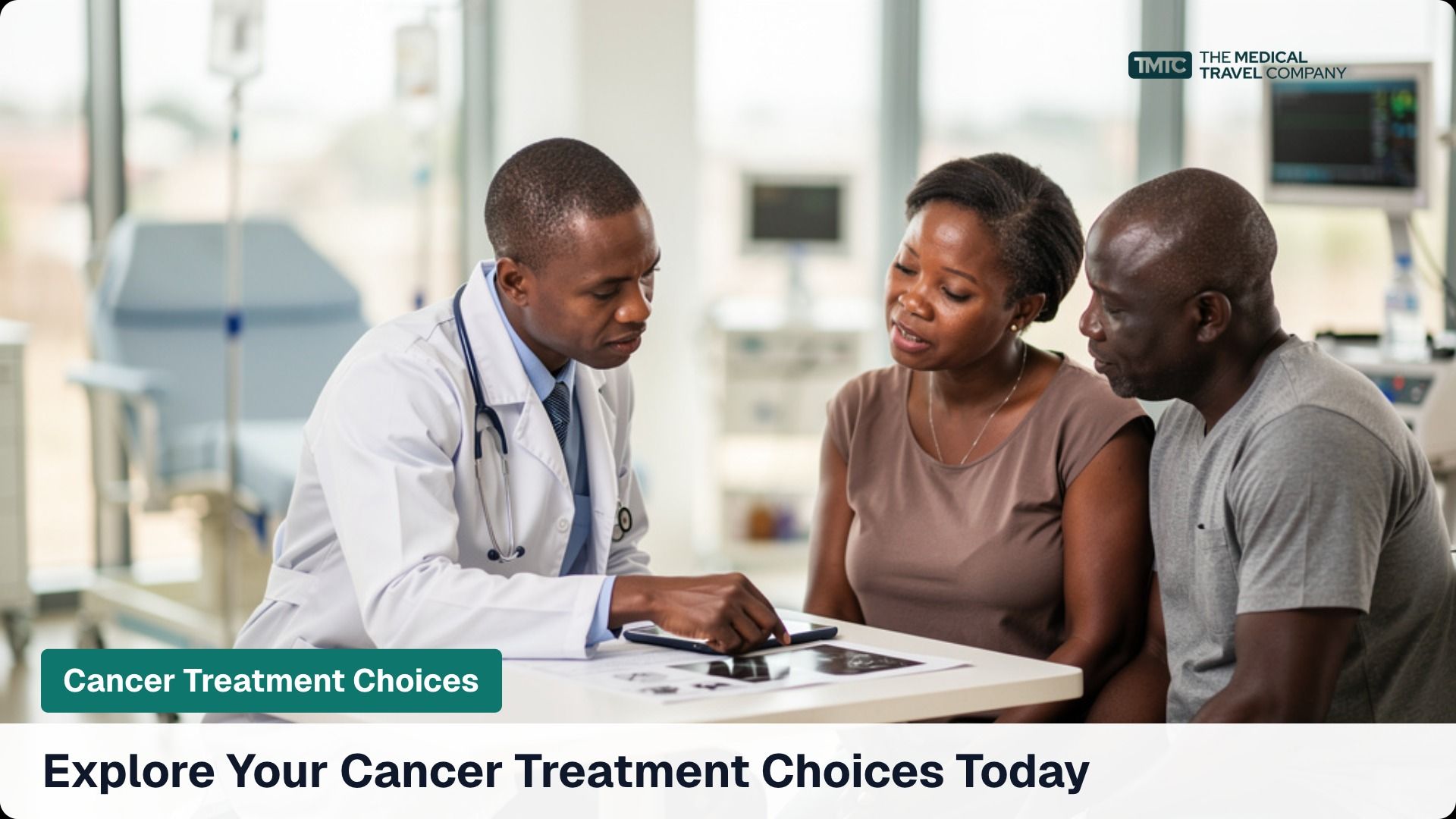
If you've received a cancer diagnosis, you're likely feeling overwhelmed by the choices ahead. The good news? Kenya's cancer care landscape has evolved significantly, offering patients access to world-class treatment options that were once only available abroad. From cutting-edge surgical techniques to targeted therapies, you now have more paths to recovery than ever before.
Understanding Your Cancer Diagnosis in Kenya
Before exploring treatment options, it's essential to understand how cancer diagnosis works in Kenya. The process typically begins with your primary care doctor, who may notice symptoms during routine check-ups or investigate concerns you've brought to their attention.
Modern diagnostic tools available in Kenyan hospitals include CT scans, MRI imaging, PET scans, and advanced biopsy techniques. These tests help oncology specialists determine your cancer type, stage, and the best treatment approach for your specific situation.
Early detection significantly impacts your treatment options and outcomes. When cancer is caught in its early stages, you'll typically have access to less invasive treatments with higher success rates. This is why regular screenings and paying attention to your body's signals are so important.
How Your Diagnosis Shapes Treatment Choices
Your oncology team will consider several factors when recommending treatments: the type of cancer you have, its stage and grade, your overall health status, age, and personal preferences. This personalised treatment plan approach ensures you receive care that's tailored specifically to your needs.
| Cancer Stage | Typical Treatment Options | Success Rates |
|---|---|---|
| Stage I (Early) | Surgery, targeted therapy | 85-95% |
| Stage II (Local spread) | Surgery + chemotherapy/radiation | 70-85% |
| Stage III (Regional spread) | Combined therapies | 50-70% |
| Stage IV (Advanced) | Systemic treatments, palliative care | Variable |
Types of Cancer Treatments Available in Kenya
Kenya's healthcare system now offers a comprehensive range of cancer treatments, many of which match international standards. Understanding these options will help you make informed decisions about your care.
1. Surgical Treatment
Surgery remains one of the most effective treatments for many cancers, especially when caught early. Kenyan hospitals now offer minimally invasive surgical techniques, including laparoscopic and robotic-assisted procedures that result in smaller incisions, less pain, and faster recovery times.
For complex cases requiring specialised expertise, cancer treatment options in Kenya include partnerships with international medical centres, ensuring you receive the highest standard of surgical care without leaving the country.
2. Chemotherapy Treatment
Chemotherapy uses powerful medications to destroy cancer cells throughout your body. Modern chemotherapy protocols in Kenya are designed to maximise effectiveness while minimising side effects. Your oncology team will carefully monitor your response and adjust dosages as needed.
The availability of newer, targeted chemotherapy drugs has improved significantly in Kenya. These medications are designed to attack specific cancer cell characteristics while sparing healthy tissue, leading to better outcomes with fewer side effects.
3. Radiation Therapy
Radiation therapy uses high-energy beams to destroy cancer cells in specific areas of your body. Kenya's major hospitals now have access to advanced radiation equipment, including linear accelerators and intensity-modulated radiation therapy (IMRT) systems.
This precision targeting means radiation can be delivered directly to tumour sites while protecting surrounding healthy tissue. Treatment typically involves daily sessions over several weeks, with each session lasting only a few minutes.
4. Targeted Therapy and Immunotherapy
These newer treatment approaches represent the future of cancer care. Targeted therapy uses drugs that identify and attack specific cancer cell features, while immunotherapy harnesses your own immune system to fight cancer.
While these treatments aren't yet widely available in all Kenyan facilities, major cancer centres are beginning to offer them for specific cancer types. Your oncologist can advise whether you're a candidate for these innovative approaches.
Treatment Planning Essentials
- Get a second opinion from another oncologist
- Understand all available treatment options
- Discuss potential side effects and management strategies
- Consider your personal preferences and quality of life goals
- Evaluate treatment costs and insurance coverage
- Plan for ongoing monitoring and follow-up care
Choosing Your Treatment Path
Selecting the right treatment approach requires careful consideration of multiple factors. Your oncology team will work with you to develop a treatment plan that balances effectiveness with your personal circumstances and preferences.
Consider your cancer stage and type, overall health status, age, family commitments, and financial situation. Some treatments require extended hospital stays or frequent visits, while others can be managed on an outpatient basis.
Working with Oncology Specialists
Your treatment team may include medical oncologists, surgical oncologists, radiation oncologists, and other specialists. Each brings unique expertise to your care, and they'll coordinate to ensure you receive comprehensive treatment.
Don't hesitate to ask questions about your treatment plan. Understanding why specific treatments are recommended, what to expect during treatment, and how to manage side effects will help you feel more confident about your choices.
Cancer Care Facilities in Kenya
Kenya's healthcare infrastructure has expanded significantly to accommodate cancer patients' needs. Major hospitals in Nairobi, Mombasa, and other cities now offer comprehensive oncology services.
Leading cancer treatment centres include Aga Khan Hospital, Nairobi Hospital, MP Shah Hospital, and Kenya's national referral hospitals. These facilities offer multidisciplinary cancer care teams, modern equipment, and international treatment protocols.
| Hospital | Specialties | Technology Available |
|---|---|---|
| Aga Khan Hospital | All cancer types | Linear accelerator, CT/MRI |
| Nairobi Hospital | Surgical oncology | Robotic surgery systems |
| MP Shah Hospital | Medical oncology | Advanced chemotherapy suites |
| Kenyatta National Hospital | Complex cases | Research trials available |
Affordability and Access
Treatment costs vary significantly depending on your cancer type and chosen treatment approach. Government hospitals typically offer more affordable options, while private facilities may provide faster access and additional amenities.
National Hospital Insurance Fund (NHIF) coverage has expanded to include many cancer treatments. Additionally, several non-profit organisations provide financial assistance for cancer patients who can't afford treatment costs.
Understanding Cancer Drugs and Medication Access
Access to cancer medications has improved significantly in Kenya, though availability of the newest drugs can sometimes be limited. The government has implemented policies to reduce import duties on essential cancer medicines, making treatments more affordable.
Generic versions of many cancer drugs are now available locally, offering the same effectiveness as brand-name medications at lower costs. Your oncologist can discuss which medications are available and help you access patient assistance programmes when needed.
For cases requiring specialised medications not readily available in Kenya, medical travel companies can help facilitate access to treatments abroad. This ensures you don't miss out on potentially life-saving therapies due to local availability issues.
Supporting Your Recovery Journey
Cancer treatment extends beyond medical interventions. Your recovery journey includes physical rehabilitation, emotional support, nutritional guidance, and lifestyle adjustments that support your overall health.
Many Kenyan hospitals now offer comprehensive support services, including counselling, support groups, and wellness programmes designed specifically for cancer patients and their families.
Post-Treatment Care
Follow-up care is crucial for monitoring your recovery and catching any potential recurrence early. Your oncology team will schedule regular check-ups, imaging studies, and blood tests to track your progress.
Rehabilitation services help you regain strength and function after treatment. Physical therapy, occupational therapy, and nutritional counselling all play important roles in helping you return to your normal activities.
Recovery Support Resources
- Join a cancer support group in your area
- Work with a nutritionist on meal planning
- Consider counselling for emotional support
- Stay connected with your healthcare team
- Maintain regular exercise as approved by your doctor
- Practice stress management techniques
Making Empowered Treatment Decisions
Your cancer treatment journey is unique to you, and the choices you make should reflect your personal values, goals, and circumstances. Kenya's expanding cancer care options mean you have more treatment paths available than ever before.
Take time to research your options, ask questions, and seek second opinions when helpful. Remember that treatment decisions aren't permanent - your plan can be adjusted as your situation changes or new treatments become available.
TMTC’s personalised treatment plans ensure each patient receives expert guidance throughout their cancer journey, often at significant cost savings compared to other options.
Whether you choose to receive treatment locally in Kenya or explore options abroad through medical travel services, the most important step is taking action promptly. Cancer treatment outcomes improve significantly when care begins early and continues consistently.
Your healthcare team is your greatest resource in this journey. Build strong relationships with your oncologists, ask questions freely, and don't hesitate to advocate for the care you need. With Kenya's expanding treatment options and support services, you have real reasons to be optimistic about your cancer treatment journey.
References:
- Kenya Cancer Registry - National cancer incidence and treatment data
- World Health Organization - Global cancer treatment standards and protocols
- Kenya Ministry of Health - National cancer treatment guidelines and facility standards
- National Hospital Insurance Fund - Cancer treatment coverage policies and benefits
Ready to open the door to better health?