Essential Medical Documents for Kenyan Patients Traveling Abroad for Treatment
Discover the must-have medical documents for Kenyans seeking treatment abroad. A comprehensive guide to ensure a seamless healthcare journey.
Last Updated On 29 April 20268m


Medical professional with 10+ years’ experience in diagnosis, patient care, and clinical leadership.
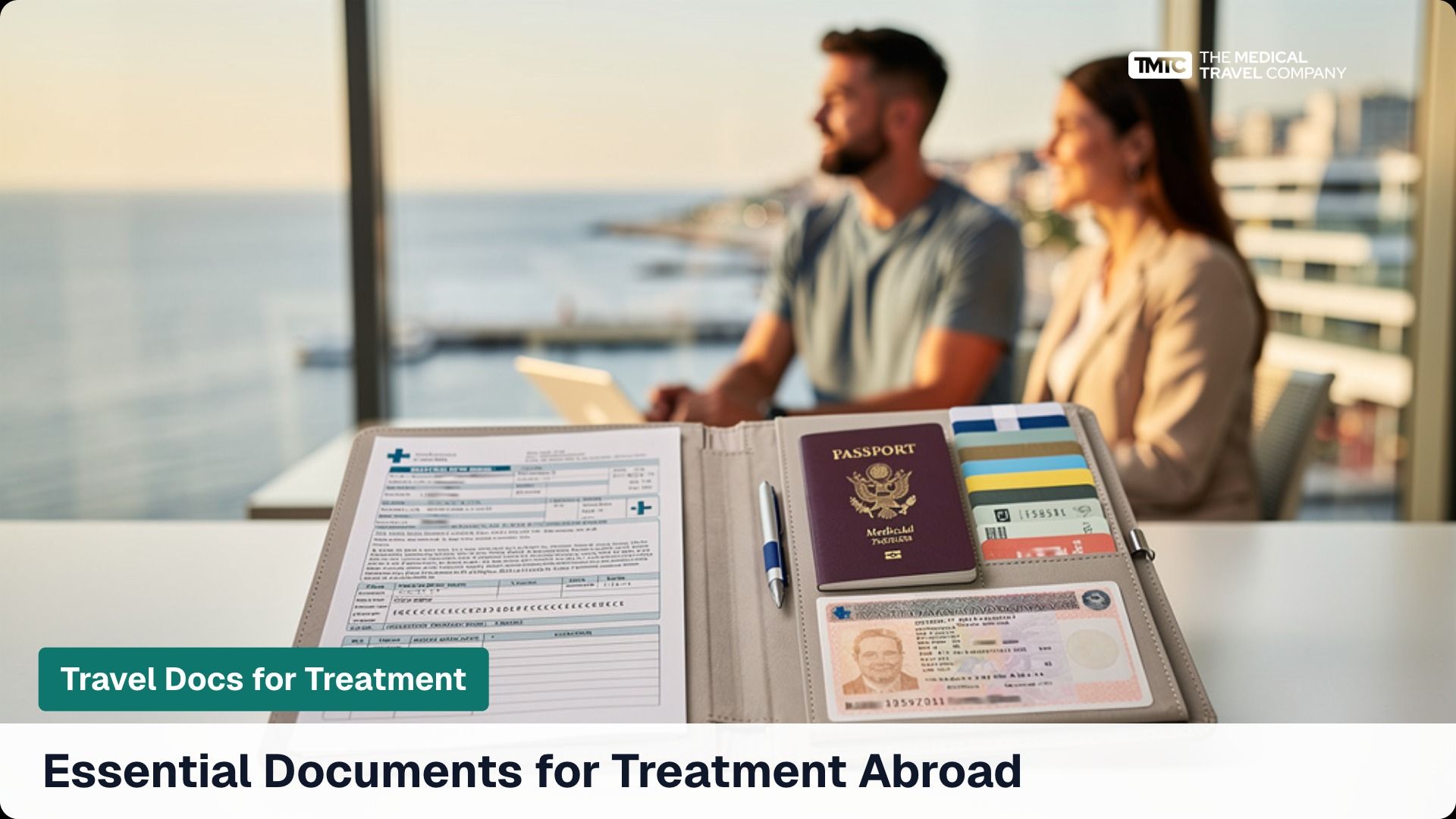
Getting treatment abroad can transform your health, but the paperwork doesn't need to overwhelm you. For Kenyan patients considering medical travel to India or other destinations, having the right documents means the difference between a smooth treatment journey and stressful delays at borders or hospitals.
Whether you're planning affordable cardiology care or exploring world-class fertility care, proper documentation protects your investment and ensures your medical team has everything needed to provide optimal care from day one.
Why Proper Documentation Saves Lives and Money
Missing even one crucial document can derail your entire treatment plan. Hospitals abroad won't start procedures without complete medical histories, and immigration officials can deny entry to patients without proper visa documentation.
The financial impact hits hard too. Delayed treatments often mean extended hospital stays, additional diagnostic tests, and higher accommodation costs. One patient's incomplete referral letter led to a two-week delay for emergency cardiac surgery, doubling their medical expenses.
Time sensitivity matters most for critical conditions. Cancer treatment and cardiac procedures have narrow treatment windows where delays can affect outcomes. Having organized medical documents Kenya patients need ensures doctors can review your case immediately and start treatment without hesitation.
Essential Medical Documents Every Patient Needs
1. Complete Medical Records
Your medical records tell your health story. They must include your complete medical history, current medications, known allergies, and previous surgeries or treatments. Request records from every doctor you've consulted about your condition, not just your primary physician.
Ensure records are recent - ideally updated within three months of travel. Include lab results, imaging reports, and specialist consultations. If you're seeking hip replacement surgery, your orthopedic surgeon needs to see progression X-rays and any physical therapy reports.
2. Official Referral Letter
A referral letter from your Kenyan doctor serves as professional validation of your need for treatment abroad. This document should explain why local treatment options are insufficient and recommend specific procedures or specialists.
The letter must be on official letterhead, signed by a licensed physician, and include their medical registration number. It should clearly state the urgency level and recommended treatment timeline. This letter often determines how quickly foreign hospitals schedule your appointments.
3. Current Test Reports and Imaging
Bring original copies of all diagnostic tests - blood work, CT scans, MRIs, X-rays, and biopsy reports. These test reports required for treatment abroad must be recent and clearly labeled with your name, date, and testing facility.
Digital copies on CD or USB drives work well for imaging studies, but always carry printed reports as backup. Some countries require official translation of reports not in English, so plan accordingly if your tests were conducted in Swahili.
4. Informed Consent Forms
Consent forms document your understanding of proposed treatments, risks, and alternatives. While you'll sign new consent forms abroad, bringing copies of previous consent forms helps foreign doctors understand what treatments you've already consented to or declined.
These forms are especially important for complex procedures or if you're traveling with elderly relatives who may need assistance with medical decisions.
Travel Documents That Immigration Requires
Passport and Visa Requirements
Your Kenyan passport must be valid for at least six months beyond your planned return date. Most medical destinations require specific medical visa categories that allow longer stays and multiple entries for follow-up care.
For India, apply for a medical visa through VFS Global offices in Nairobi. You'll need your hospital documents, treatment cost estimates, and proof of financial ability to cover expenses. The process takes 3-5 working days but can extend during peak seasons.
Keep multiple photocopies of your passport and visa. Store digital copies in cloud storage accessible from your phone - this simple step prevents major headaches if documents are lost during travel.
Insurance Documentation
Travel insurance paperwork must clearly cover medical emergencies and repatriation if needed. Standard travel insurance often excludes pre-existing conditions, so read policy terms carefully before purchasing.
If you have international health insurance, bring policy documents, pre-authorization letters, and emergency contact numbers for your insurance provider. Some insurers require advance approval for treatments abroad, which can take several weeks to process.
| Document Type | Validity Period | Processing Time | Special Notes |
|---|---|---|---|
| Kenyan Passport | 6+ months remaining | 4-6 weeks for new/renewal | Ensure clean pages for stamps |
| Medical Visa | Varies by country | 3-5 working days | Requires hospital invitation letter |
| Travel Insurance | Full trip duration + 30 days | Instant to 48 hours | Must cover pre-existing conditions |
| Medical Records | Within 3 months | 1-2 weeks collection time | Request from all treating doctors |
Your Complete Documentation Checklist
Use this comprehensive checklist to ensure you haven't missed any critical documents. Print this list and check off items as you gather them, keeping everything organized in a dedicated travel folder.
Medical Travel Documentation Checklist
- Valid passport (6+ months validity)
- Medical visa with multiple entry allowance
- Complete medical records from all treating physicians
- Official referral letter on doctor's letterhead
- All test reports and imaging studies (within 3 months)
- Current medication list with generic names
- Travel and medical insurance policies
- Hospital admission letters and cost estimates
- Emergency contact information
- Financial proof (bank statements, credit cards)
- Photocopies of all documents in separate folder
- Digital copies stored on phone/cloud storage
Creating Your Personalized Documentation Timeline
Start gathering documents 6-8 weeks before your planned travel date. Medical records requests can take 1-2 weeks, visa processing needs 3-5 working days, and insurance approvals sometimes require a month.
Request medical records first since they're needed for visa applications and hospital pre-registration. Schedule your document collection around clinic operating hours - most Kenyan hospitals process record requests between 8 AM and 4 PM on weekdays.
Smart Organization Strategies for Medical Paperwork
Organization saves time and reduces stress during your medical journey. Use a large envelope or portfolio folder with clear plastic sleeves to separate different document categories.
Label sections clearly: 'Travel Documents,' 'Medical Records,' 'Insurance Papers,' and 'Hospital Correspondence.' Keep original documents in the main folder and photocopies in a separate backup folder that travels in different luggage.
Create a digital backup system too. Scan all documents to PDF format and store them in cloud storage like Google Drive or Dropbox. Share access with a trusted family member in Kenya who can email copies if originals are lost.
Always carry critical documents in your carry-on luggage, never in checked bags. Immigration documents, medical records, and insurance papers should stay with you throughout your journey.
Expert Support for a Stress-Free Experience
Getting documentation right the first time requires expertise and attention to detail. Many patients benefit from professional medical travel coordination to navigate complex requirements and avoid costly mistakes.
Professional medical travel coordinators understand specific documentation requirements for different countries and procedures. They can review your paperwork before travel, identify missing items, and help you gather everything efficiently.
This support becomes invaluable for complex cases requiring multiple specialists or when dealing with time-sensitive conditions where document delays could affect treatment outcomes.
Common Documentation Mistakes to Avoid
Don't wait until the last minute to request medical records. Many Kenyan hospitals have busy record departments that may need extra time, especially for older files that require manual retrieval from archives.
Avoid carrying only digital copies of critical documents. Power failures, dead phone batteries, or damaged devices can leave you stranded without access to important information when you need it most.
Never assume your travel insurance covers everything. Read policy exclusions carefully and understand what medical emergencies or pre-existing condition treatments may not be covered.
Take Control of Your Medical Journey
Having the right medical documents Kenya patients need transforms your treatment abroad from a stressful ordeal into a focused healing journey. Proper preparation allows you to concentrate on your recovery rather than scrambling to fix documentation problems.
Remember that medical travel to India offers world-class care at affordable rates, but only when you're properly prepared. The investment in thorough documentation preparation pays dividends in smoother treatment processes and better patient outcomes.
Start gathering your documents today, follow the checklist systematically, and don't hesitate to seek professional help when needed. Your health deserves the best preparation possible.
Get Expert Assistance Today
Don't navigate complex documentation requirements alone. TMTC's experienced medical travel coordinators help Kenyan patients organize their paperwork efficiently, avoid common mistakes, and ensure smooth treatment journeys abroad.
Our team understands specific requirements for different medical procedures and destination countries. We'll review your documentation, identify any gaps, and guide you through the entire process - from initial paperwork to arrival at your chosen hospital.
Contact TMTC today for a consultation about your medical travel documentation needs. Let our expertise give you confidence that everything is properly prepared for your treatment journey abroad.

Ready to open the door to better health?