Bladder Cancer Treatment Abroad for Kenyan Patients: Cost & Survival Guide
Explore affordable bladder cancer treatment options abroad for Kenyan patients, from costs to survival rates and personalized care plans.
Last Updated On 21 July 202610m


Medical professional with 10+ years’ experience in diagnosis, patient care, and clinical leadership.
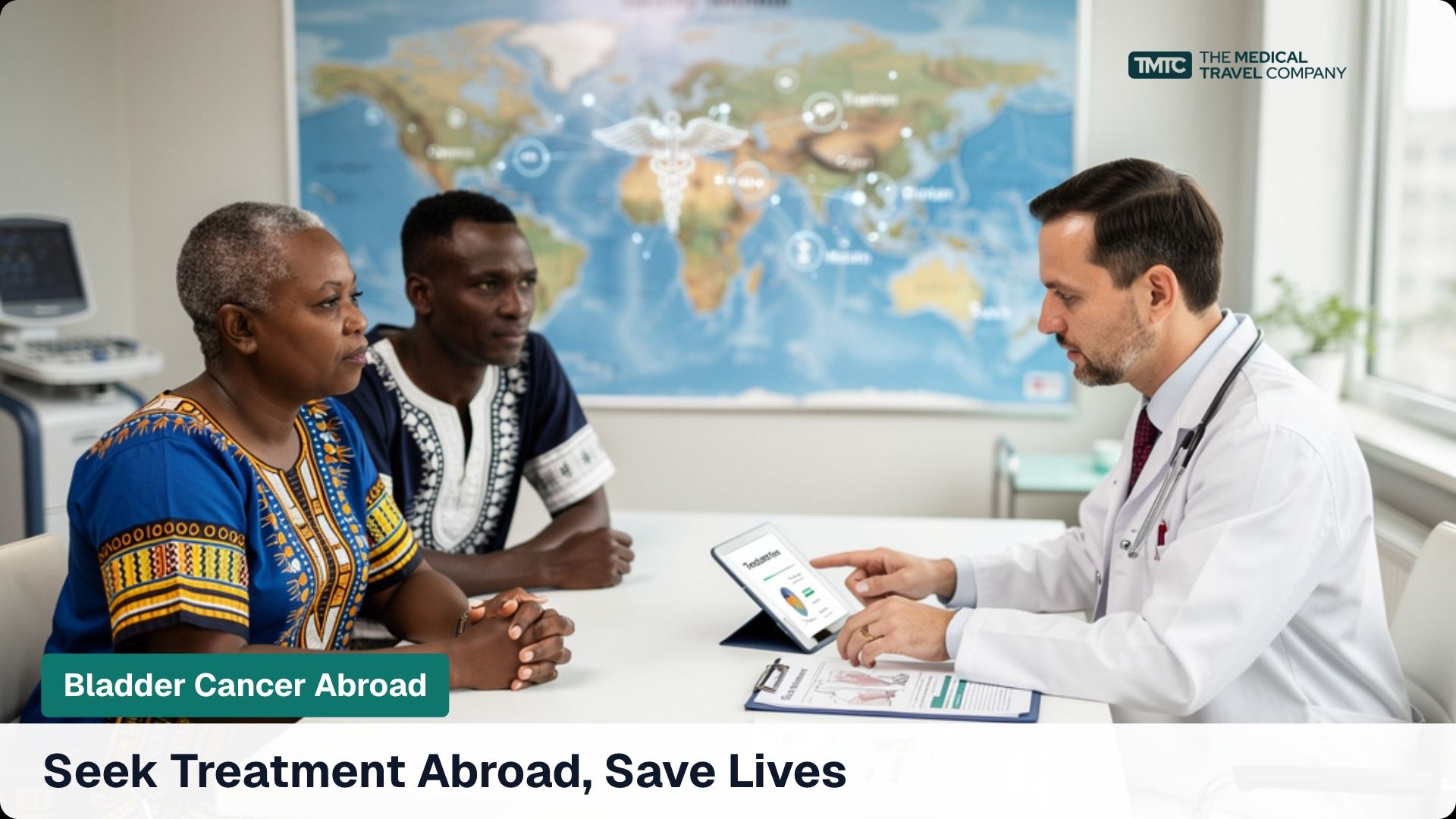
A bladder cancer diagnosis can feel overwhelming, especially when you're weighing treatment options in Kenya versus seeking care abroad. You're not just considering medical outcomes—you're thinking about costs, quality of care, and how to give yourself or your loved one the best chance at recovery.
Many Kenyan patients are discovering that seeking bladder cancer treatment abroad offers access to world-class care, advanced technologies, and often more affordable options than staying local. Here's everything you need to know about making this important decision, from understanding costs to navigating your treatment journey.
Understanding Bladder Cancer Treatment Options
Bladder cancer affects the tissues of the bladder—the organ that stores urine. It's the fourth most common cancer among men and affects thousands of people worldwide each year. The good news is that when caught early, bladder cancer has excellent treatment outcomes.
Types of Treatments Available
Treatment depends on the stage and type of your bladder cancer. Your oncologist might recommend TURBT (transurethral resection of bladder tumor), which removes cancerous tissue through the urethra. For more advanced cases, you might need radical cystectomy—surgery to remove part or all of the bladder.
Chemotherapy for bladder cancer can be given before surgery to shrink tumors or after to eliminate remaining cancer cells. Immunotherapy and targeted therapy are newer treatments that work with your immune system to fight cancer cells. The right combination depends on your specific diagnosis and overall health.
Benefits of Treatment Abroad
Many Kenyan patients choose treatment abroad because it offers access to cutting-edge technologies and specialized oncologists who focus specifically on bladder cancer. Countries like India, Thailand, and Turkey have developed world-class cancer treatment centers in Kenya that combine expertise with affordability.
You'll often find shorter waiting times for surgery, advanced robotic surgical systems, and comprehensive cancer centers that provide all your care under one roof. This coordinated approach can lead to better outcomes and a more seamless experience throughout your treatment journey.
Cost Analysis of Bladder Cancer Treatment Abroad
Understanding the financial aspect of treatment helps you make informed decisions and plan accordingly. Bladder cancer treatment costs vary significantly depending on the stage of cancer, type of treatment needed, and where you choose to receive care.
Factors Influencing Cost
Several factors affect your overall treatment cost. The TURBT procedure cost ranges from $2,000 to $8,000 depending on the country and facility. Bladder tumor surgery cost can vary from $15,000 to $50,000 for major operations, while chemotherapy cycles might cost between $3,000 to $10,000 per session.
The stage of your cancer significantly impacts costs. Early-stage cancers requiring only TURBT and follow-up treatments cost considerably less than advanced cancers needing multiple therapies. Hospital stay duration, post-operative care, and follow-up treatments all add to the total expense.
Comparative Cost Analysis
| Treatment | Kenya (USD) | India (USD) | Thailand (USD) | Savings |
|---|---|---|---|---|
| TURBT Procedure | $8,000-12,000 | $2,500-4,000 | $3,500-5,500 | 60-70% |
| Radical Cystectomy | $25,000-40,000 | $8,000-15,000 | $12,000-20,000 | 50-65% |
| Chemotherapy (6 cycles) | $15,000-25,000 | $4,000-8,000 | $6,000-12,000 | 60-75% |
| Complete Treatment Package | $50,000-80,000 | $15,000-30,000 | $22,000-40,000 | 55-70% |
These cost differences don't reflect lower quality care—many international facilities offer superior technology and outcomes compared to local options. Countries like India have invested heavily in healthcare infrastructure while maintaining lower operational costs.
Financial Assistance Options
Some international health insurance policies cover treatment abroad, especially when local options aren't available. Medical tourism companies often offer financing options or payment plans to make treatment more accessible.
Government medical aid schemes occasionally approve overseas treatment for complex cases. It's worth exploring charitable organizations and cancer foundations that provide financial assistance for treatment abroad. Always discuss payment options with your chosen facility—many offer transparent pricing and flexible arrangements.
Survival Rates and Outcomes for Bladder Cancer Patients
Understanding survival rates helps set realistic expectations and highlights why choosing the right treatment matters. The bladder cancer survival rate varies significantly based on when cancer is detected and how effectively it's treated.
Understanding Survival Rates
For non-muscle invasive bladder cancer caught early, the 5-year survival rate exceeds 95%. Even for more advanced muscle-invasive cancers, survival rates reach 70% or higher when treated at specialized centers with experience in complex cases.
These statistics improve when you receive care at high-volume cancer centers with dedicated urologic oncologists. The difference between routine care and specialized expertise can significantly impact your outcomes, which is why many patients choose treatment abroad at centers that handle hundreds of bladder cancer cases annually.
Factors Affecting Survival Rates
Cancer staging plays the most crucial role in determining outcomes. Stage 1 bladder cancers have excellent prognosis, while Stage 4 cancers require more aggressive treatment. However, even advanced cancers respond well to comprehensive treatment at experienced centers.
Your overall health, age, and response to treatment also influence outcomes. Patients who receive multidisciplinary care—combining surgery, chemotherapy, and supportive care—typically achieve better results. This coordinated approach is often more readily available at international cancer centers than in smaller local facilities.
Personalized Treatment Plans and Recovery Process
Every bladder cancer case is unique, which is why personalized treatment plans are essential for achieving the best outcomes. Modern cancer care focuses on tailoring treatment to your specific cancer type, stage, and individual health factors.
Importance of Personalization
Your oncology team will consider multiple factors when creating your treatment plan. Tumor genetics, your overall health, previous medical history, and personal preferences all influence the recommended approach. This personalized care often involves molecular testing to identify the most effective treatments for your specific cancer.
International cancer centers typically offer more comprehensive testing and treatment options than smaller facilities. They can access the latest targeted therapies and immunotherapy drugs that might not be available locally, giving you access to the most current treatment advances.
Recovery Journey
Recovery after bladder surgery varies depending on the procedure performed. TURBT patients typically recover within a few weeks, while those undergoing major surgery like cystectomy face a longer healing process that can take several months.
Recovery After Bladder Surgery Checklist
- Follow catheter care instructions precisely to prevent infection
- Attend all follow-up appointments for monitoring and testing
- Maintain proper hydration as recommended by your medical team
- Report any unusual symptoms like severe pain or fever immediately
- Take prescribed medications exactly as directed
- Gradually increase activity levels as approved by your surgeon
- Join support groups or counseling for emotional recovery
Many patients find that the psychological aspect of recovery needs as much attention as physical healing. International treatment centers often provide comprehensive support services, including counseling, nutrition guidance, and rehabilitation programs that support your complete recovery.
Recognizing Early Signs of Bladder Cancer
Early detection dramatically improves treatment outcomes and survival rates. Knowing the early signs of bladder cancer helps you seek prompt medical attention when symptoms first appear.
Common Symptoms to Watch For
Blood in urine—even small amounts that might not be visible—is the most common early sign. You might notice pink, red, or dark-colored urine, or your doctor might detect blood during routine testing. This symptom appears in about 85% of bladder cancer patients.
Other early signs include frequent urination, burning sensation during urination, feeling like you need to urinate urgently even when your bladder isn't full, and pelvic pain. These symptoms can also indicate other conditions like urinary tract infections, but they should always be evaluated by a healthcare professional.
For those concerned about related urological problems causes & symptoms, it's important to understand that kidney and bladder cancers can share some similar symptoms, making proper medical evaluation essential for accurate diagnosis.
When to Seek Medical Advice
Don't wait if you notice blood in your urine, even if it happens only once. While it might be something simple like a urinary tract infection, only proper testing can determine the cause. Early-stage bladder cancer is highly treatable, but delaying diagnosis can allow cancer to progress to more advanced stages.
Risk factors like smoking, exposure to certain chemicals, chronic bladder infections, or family history of bladder cancer increase your likelihood of developing this disease. If you have risk factors and notice symptoms, seek evaluation promptly from a urologist or oncologist.
Navigating Your Treatment Journey
Choosing the right facility and planning your treatment abroad requires careful consideration and proper support. The decisions you make now will significantly impact your treatment experience and outcomes.
Choosing the Right Facility
Look for cancer centers with specific expertise in urologic oncology and high patient volumes for bladder cancer treatment. Centers that perform hundreds of procedures annually typically achieve better outcomes than those handling only occasional cases.
Verify that your chosen facility has international accreditations from organizations like JCI (Joint Commission International) or NABH. These certifications ensure the facility meets international standards for safety, quality, and patient care.
Consider the experience of specific surgeons and oncologists, not just the facility. Ask about their training, years of experience, and patient outcomes. Many international centers provide detailed information about their medical teams and success rates.
Planning a Seamless Experience
Start planning at least 2-3 months before your intended treatment date. This allows time for medical evaluations, visa processing, and coordinating with your chosen facility. Gather all medical records, test results, and imaging studies to share with your international medical team.
Consider working with medical tourism facilitators who can coordinate your entire journey, from initial consultations to follow-up care. They handle logistics like appointments, accommodation, transportation, and communication with medical teams, allowing you to focus on your health.
Plan for extended stays, especially if you're having major surgery. Recovery after bladder surgery often requires 2-4 weeks before you're cleared to travel home. Factor in companion accommodation and extended stay costs when budgeting for treatment.
Moving Forward with Confidence
Seeking bladder cancer treatment abroad represents hope—hope for better outcomes, access to advanced treatments, and the chance to receive world-class care at affordable prices. The journey might seem daunting, but thousands of patients have successfully navigated this path to recovery.
Remember that early action leads to better outcomes. Whether you're just starting to explore options or ready to move forward with treatment, professional guidance can help you make informed decisions about your care. The combination of expert medical care, advanced technology, and comprehensive support available abroad offers genuine hope for successful treatment and recovery.
Your health is worth the investment in quality care. Take the first step by consulting with specialists who can evaluate your specific situation and recommend the most appropriate treatment approach. With proper planning and expert guidance, you can access world-class bladder cancer treatment that fits both your medical needs and financial situation.
For those dealing with bladder cancer diagnosis and treatment decisions, remember that seeking second opinions and exploring all available options, including treatment abroad, can provide the comprehensive care you deserve.
References:
- This article provides general information about bladder cancer treatment options abroad. Treatment recommendations and costs may vary based on individual circumstances. Always consult with qualified healthcare professionals for personalized medical advice and treatment planning.
Related Articles


Ready to open the door to better health?