Affordable BPH Treatment Abroad for Kenyans: Explore Laser Surgery Options
Discover world-class BPH treatment abroad for Kenyan patients, including laser surgery options and cost insights for enlarged prostate treatment.
Last Updated On 21 July 202610m

Medical professional with 10+ years’ experience in diagnosis, patient care, and clinical leadership.
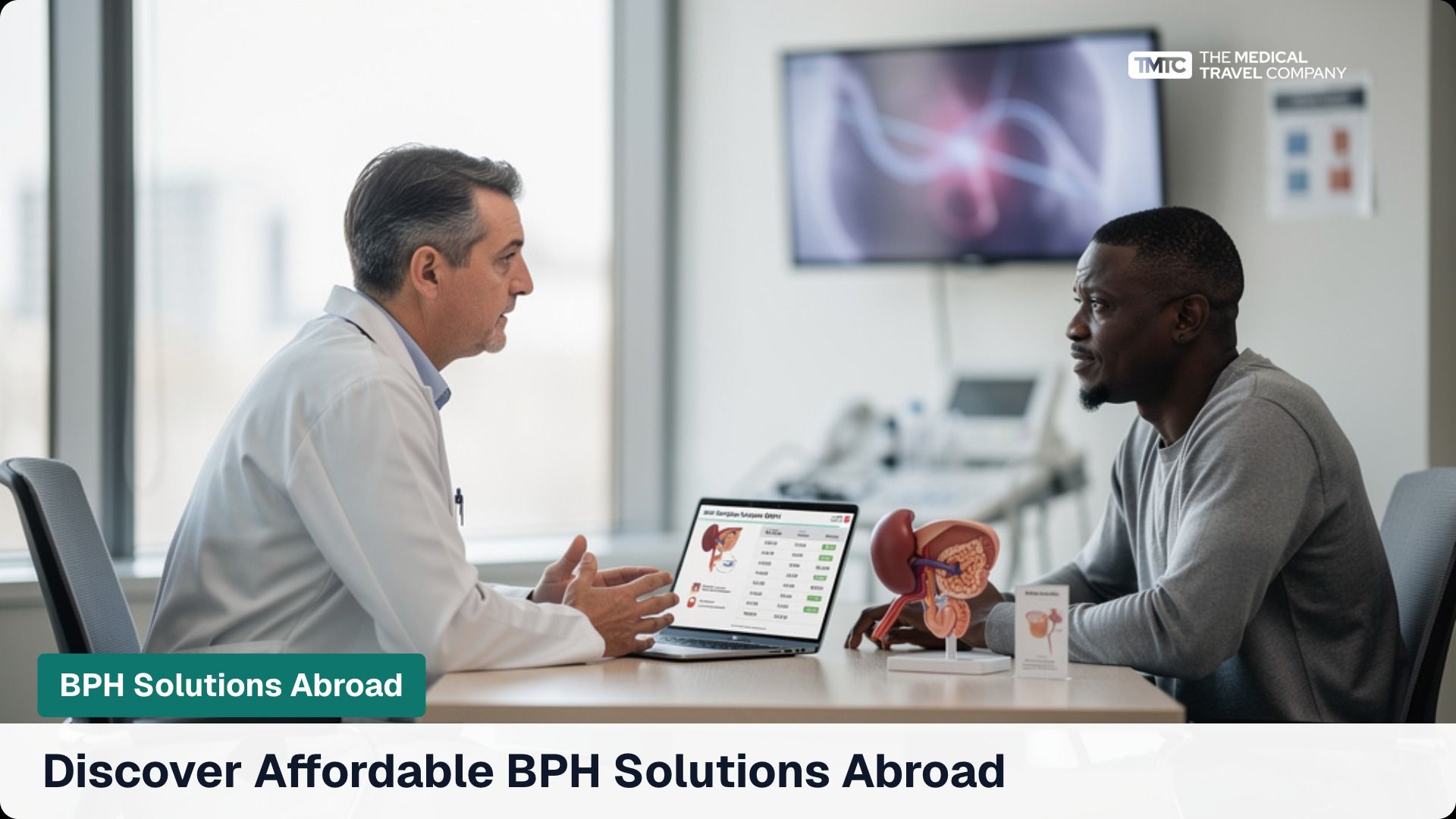
If you're one of the millions of men over 50 experiencing frequent nighttime trips to the bathroom, a weak urine stream, or that feeling your bladder never fully empties, you're not dealing with normal aging - you likely have benign prostatic hyperplasia (BPH). While BPH affects up to 90% of men by age 85, you don't have to accept these symptoms as your new reality. For Kenyan patients, seeking BPH treatment abroad offers access to world-class care, advanced laser surgery options, and significant cost savings compared to private treatment at home.
Understanding BPH and Its Impact on Your Daily Life
BPH occurs when your prostate gland gradually enlarges as you age, squeezing the urethra and blocking urine flow. Think of it like a garden hose with someone slowly tightening their grip around it - the water still flows, but with less pressure and volume.
Common symptoms of enlarged prostate
The symptoms of enlarged prostate often develop gradually, which is why many men initially dismiss them. You might notice getting up multiple times during the night to urinate, a weak or interrupted urine stream, difficulty starting urination, or the sensation that your bladder isn't completely empty after urinating. Some men also experience sudden, urgent needs to urinate or occasional dribbling.
These aren't just minor inconveniences - they can seriously impact your sleep quality, work productivity, and social confidence. Many men find themselves avoiding long meetings or social events because they're constantly worried about bathroom access. If you're experiencing these issues, understanding your prostate health options becomes crucial for maintaining your quality of life.
Why Kenyan patients choose treatment abroad
While Kenya has skilled urologists, the cost of private BPH treatment can be prohibitive for many families. Additionally, waiting times for specialized procedures in public hospitals can stretch for months. Seeking treatment abroad offers several compelling advantages: access to the latest laser surgery technologies, significantly lower costs than private treatment in Kenya, shorter waiting times, and comprehensive care packages that include follow-up support.
Many Kenyan patients discover they can receive world-class BPH treatment abroad for 40-60% less than private treatment costs in Nairobi, while accessing more advanced surgical options that may not be widely available locally.
Evaluating Your BPH Treatment Options
When it comes to treating BPH, you have several paths forward. Understanding these options helps you make an informed decision about which approach best suits your specific situation and lifestyle needs.
Medication vs surgery for BPH
For mild to moderate symptoms, your doctor might initially recommend medications like alpha-blockers (which relax prostate muscles) or 5-alpha reductase inhibitors (which actually shrink the prostate over time). These medications can be effective, but they require ongoing use and may cause side effects like dizziness, reduced libido, or ejaculatory problems.
Surgery becomes the preferred option when medications don't provide adequate relief, when you have severe symptoms affecting your quality of life, or when BPH complications like urinary retention or bladder stones develop. The good news is that modern surgical techniques are far less invasive than procedures from even a decade ago.
TURP vs laser prostate surgery: which is right for you?
Transurethral resection of the prostate (TURP) has been the gold standard for BPH surgery for decades. During TURP, surgeons remove excess prostate tissue using an electrical loop inserted through the urethra. While effective, TURP typically requires a 2-3 day hospital stay and carries risks of bleeding and sexual side effects.
Laser prostate surgery represents a significant advancement in BPH treatment. Procedures like GreenLight laser therapy or holmium laser enucleation (HoLEP) use precise laser energy to remove or vaporize excess prostate tissue. These techniques offer several advantages: minimal bleeding during surgery, shorter hospital stays (often same-day discharge), faster recovery times, and lower risk of sexual dysfunction.
For most patients, especially those taking blood-thinning medications or with other health conditions, laser surgery provides a safer alternative to traditional TURP while delivering comparable long-term results.
Minimally invasive treatment alternatives
Beyond laser surgery, several other minimally invasive options exist. Prostatic artery embolization blocks blood flow to enlarged prostate areas, causing them to shrink. Water vapor therapy (Rezūm) uses steam to destroy excess prostate tissue. These procedures appeal to men who want symptom relief without major surgery, though they may be less effective for severely enlarged prostates.
Cost Breakdown for BPH Treatment Abroad
Understanding the financial aspect of BPH treatment abroad helps you plan effectively and make informed decisions. The costs vary depending on the procedure type, hospital chosen, and your specific medical needs.
| Treatment Type | Cost Abroad (USD) | Kenya Private Cost (USD) | Potential Savings |
|---|---|---|---|
| GreenLight Laser Surgery | $3,500–5,000 | $8,000–12,000 | 50–60% |
| HoLEP Laser Surgery | $4,000–6,000 | $9,000–14,000 | 55–65% |
| Traditional TURP | $2,500–4,000 | $6,000–9,000 | 50–55% |
| Prostatic Artery Embolization (PAE) | $3,000–4,500 | $7,000–10,000 | 55–60% |
Additional expenses to factor in
When calculating your total cost for BPH treatment abroad, remember to include flights (typically $800-1,200 from Nairobi), accommodation for your recovery period ($30-80 per night), meals, and local transportation. Most patients need to stay abroad for 7-10 days total, including pre-operative consultation and initial recovery monitoring.
Even with these additional expenses, most Kenyan patients save $3,000-6,000 compared to private treatment costs at home. Many medical tourism facilitators offer package deals that include accommodation, airport transfers, and coordination services, which can simplify your planning and provide better overall value.
Insurance and financing considerations
While most Kenyan insurance plans don't cover treatment abroad, the significant cost savings often make self-paying financially viable. Some patients find that the total cost of treatment abroad, including travel expenses, is less than their insurance copayment would be for private treatment in Kenya. It's worth checking with your insurer about any coverage for emergency complications that might arise during your recovery abroad.
What to Expect During Recovery After BPH Surgery
Recovery from BPH surgery varies depending on the procedure type, but understanding what to expect helps you prepare mentally and physically for the healing process.
Immediate post-operative period
After laser surgery, you'll typically have a catheter for 1-3 days to help drain urine while swelling subsides. This is normal and shouldn't cause alarm. You might notice blood in your urine for several days to weeks after surgery - this is expected as your prostate heals. Most patients can return to light activities within a few days, though you'll need to avoid heavy lifting or strenuous exercise for 2-4 weeks.
For traditional TURP procedures, recovery takes slightly longer, with most patients needing 4-6 weeks before returning to normal activities. The advantage of choosing advanced BPH treatment options in United Kingdom is often the significantly faster recovery timeline.
Recovery Guidelines for Optimal Healing
- Drink plenty of water to help flush your urinary system
- Take prescribed medications exactly as directed, especially antibiotics
- Avoid heavy lifting (over 10 pounds) for 4-6 weeks
- Don't drive while taking prescription pain medications
- Avoid sexual activity for 2-4 weeks or until cleared by your surgeon
- Contact your doctor immediately if you develop fever, severe pain, or inability to urinate
- Attend all scheduled follow-up appointments, even if you feel well
Long-term recovery expectations
Most men notice significant improvement in urinary symptoms within 2-4 weeks after surgery, though complete healing can take 2-3 months. Your urinary stream should become stronger, nighttime urination should decrease dramatically, and that feeling of incomplete bladder emptying should resolve.
Some men experience temporary urinary urgency or frequency as the bladder adjusts to improved urine flow - this typically resolves within a few months. Sexual function usually returns to pre-surgery levels, though some men may experience retrograde ejaculation (semen going into the bladder instead of out), which is harmless but can affect fertility.
Personalised Treatment Plans for Kenyan Patients
The best BPH treatment outcomes come from personalized care that considers your specific symptoms, overall health, lifestyle, and treatment preferences. This individualized approach is what sets world-class medical centers apart.
Expert guidance makes the difference
Experienced urologists don't just treat BPH - they treat you as a whole person. They'll consider factors like your job requirements (do you travel frequently for work?), your other health conditions, current medications, and your personal priorities. A truck driver might prioritize the fastest recovery time, while someone with heart conditions might need the safest surgical option.
This personalized approach extends beyond just choosing the right procedure. Top medical centers provide comprehensive pre-operative assessment, detailed surgical planning, and structured post-operative care that's tailored to your specific needs and circumstances.
We understand that every patient's journey is unique. That's why we create personalized treatment plans that consider not just your medical needs, but your lifestyle, family situation, and personal goals. Our expert guidance ensures you receive the right treatment at the right time, with seamless support throughout your entire healthcare experience.
Creating a seamless healthcare experience
Choosing treatment abroad shouldn't feel overwhelming or stressful. The best medical tourism programs handle everything from initial consultation scheduling to post-operative follow-up coordination. This includes arranging specialist consultations, coordinating with your local doctor for ongoing care, and providing 24/7 support during your treatment journey.
Many Kenyan patients are surprised by how smooth the process can be when working with experienced medical tourism facilitators who understand both the medical and logistical aspects of seeking care abroad. They can help coordinate everything from visa assistance to airport transfers, allowing you to focus on your recovery rather than administrative details.
Taking the Next Steps Toward Better Prostate Health
If BPH symptoms are affecting your quality of life, taking action sooner rather than later can prevent complications and restore your comfort and confidence.
Starting your consultation process
Begin by gathering your recent medical records, including any prostate-related tests like PSA levels, urinalysis results, or ultrasound reports. Most international medical centers offer virtual consultations that allow you to discuss your symptoms and treatment options with specialists before making any travel commitments.
During your consultation, be honest about your symptoms and how they're affecting your daily life. Don't minimize the impact - this information helps your surgeon recommend the most appropriate treatment approach. Ask specific questions about procedure options, recovery timelines, and what kind of follow-up care you'll need back home.
Planning your treatment journey
Once you've decided to proceed with BPH treatment abroad, proper planning ensures a smooth experience. Schedule your treatment during a period when you can take adequate time off work for recovery. Arrange for someone to accompany you if possible, especially for the first few days after surgery.
Consider that while you'll likely feel much better within a week, full recovery takes time. Plan for a gradual return to normal activities rather than expecting to resume your usual pace immediately after returning home. Many patients find this forced slower pace actually helps them appreciate their improved quality of life even more.
Don't let BPH symptoms continue to control your life when effective, affordable treatment options are available. Whether you're interested in learning more about treatment abroad or ready to take the next step, seeking expert guidance can help you reclaim your comfort, confidence, and sleep quality. Your future self will thank you for taking action today.
References:
- The information in this article is based on current medical literature and clinical guidelines for BPH treatment. All cost estimates and treatment comparisons are based on current market data and should be verified with specific healthcare providers and facilities for the most up-to-date information.
Related Articles

Ready to open the door to better health?