Knee Arthroscopy Cost in India for Ghana Patients
Explore knee arthroscopy costs in India for Ghana patients, including surgical options, leading orthopaedic hospitals and personalised recovery support.
Published on 25 September 20269m

Medical professional with 10+ years’ experience in diagnosis, patient care, and clinical leadership.
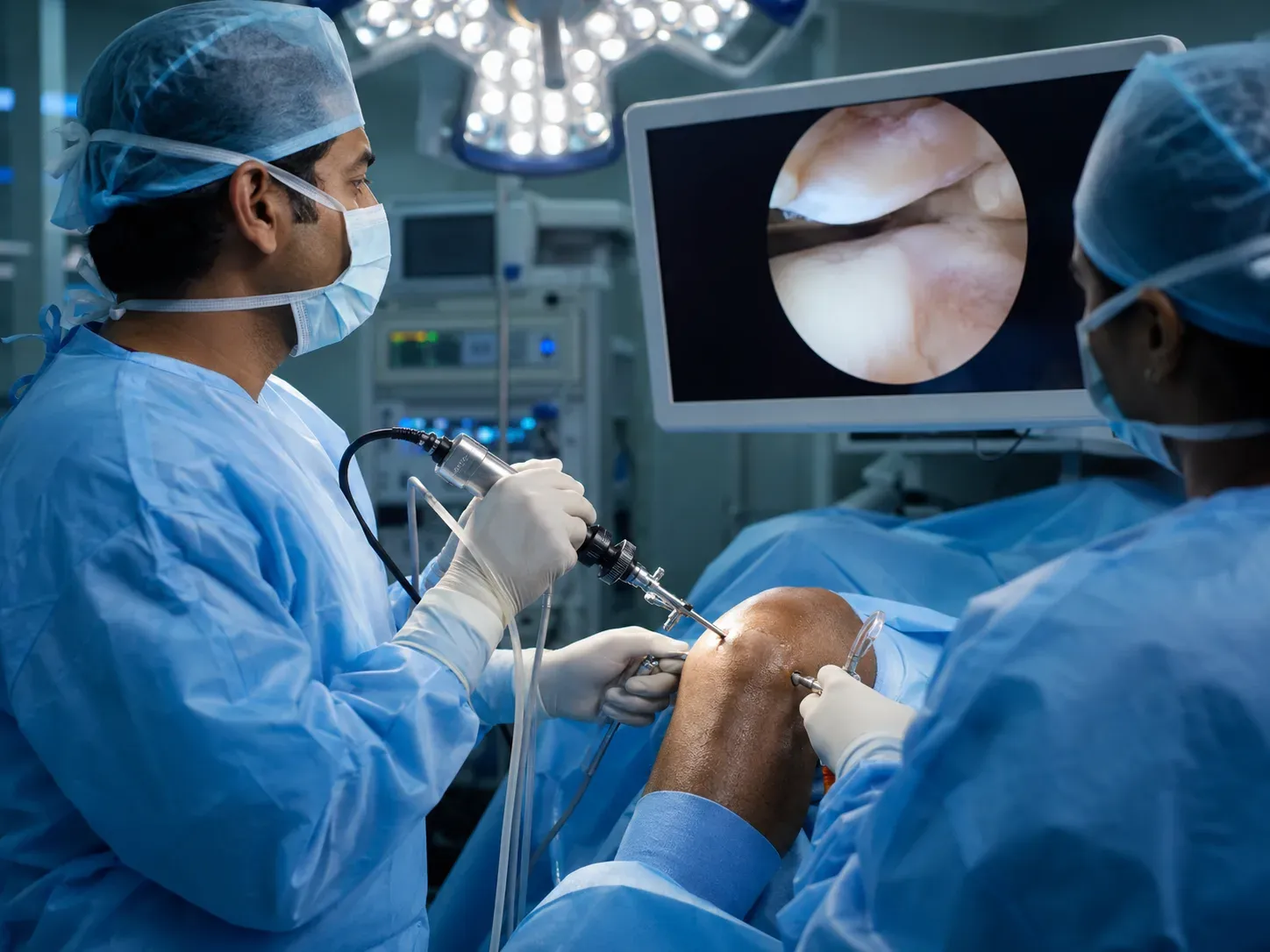
TMTC's base rate for a knee arthroscopy in India is US$2,500 for Ghana patients, against a comparison figure of US$4,000 in Ghana and US$2,500 in Turkey. Arthroscopy is keyhole surgery. A camera and fine instruments are passed into the knee through small incisions, letting the surgeon see the joint directly and treat what they find. Surgery takes place at JCI and NABH accredited partner hospitals including Fortis, Medanta and Apollo.
Key takeaways
- TMTC's base rate for a knee arthroscopy in India for Ghanaian patients is US$2,500, with the final cost following the treatment plan.
- The comparison figure is US$4,000 in Ghana and US$2,500 in Turkey.
- Arthroscopy is both diagnostic and therapeutic, so what the surgeon finds during the procedure can change what is done, and the figure with it.
- Current imaging usually determines whether arthroscopy is the right procedure at all, so have the scan read before booking anything.
What a knee arthroscopy costs in Ghana
In Ghana the comparison figure is US$4,000, generally self-financed rather than met by an insurer.
A surgical figure for an arthroscopy describes a planned procedure rather than whatever the surgeon ends up doing. Outside it sit the MRI, any repair carried out during the procedure, and the physiotherapy that follows. Two quotes cannot be compared unless both rest on the same assumptions about what might be found.
Key point: Establish what happens to the price if the surgeon finds more than the scan showed. Arthroscopy is often where the real diagnosis is made, and a knee expected to need a simple trim can turn out to need a repair, which is a longer procedure at a different price.
Diagnostic or therapeutic, and what the price includes
Five questions settle what you will pay, and each has an answer somebody can put in writing.
Is the arthroscopy planned as diagnostic, therapeutic, or both in the same sitting? If a meniscal tear is found, is the repair inside the price or quoted separately? Is the MRI included? Is it a day case or an overnight stay, and what is charged if the stay extends? And what happens if the findings call for a larger operation?
That last question matters more here than in most procedures, because arthroscopy is diagnostic as well as therapeutic. A quote that has priced the likely findings is one you can plan around.
TMTC's base rate for a knee arthroscopy
TMTC's base rate for a knee arthroscopy for Ghanaian patients is US$2,500, with the final cost following the treatment plan.
| Procedure | India | Turkey | Ghana |
|---|---|---|---|
| Knee arthroscopy | US$2,500 | US$2,500 | US$4,000 |
The quote follows an online consultation with the treating Indian specialist, who will want the scan itself rather than the radiology report. Around the procedure sit a free record review, visa support, transfers, accommodation for you and a companion, an interpreter and a coordinator.
A short procedure, and what sits behind its price
Keyhole surgery is quick, but it still needs a theatre, an anaesthetist, a scrub team and a recovery bay, and that costs money to maintain anywhere. What differs between countries is the cost of the people and the building, and how efficiently a day case pathway runs.
The arthroscopic equipment and any fixation devices are internationally supplied, and the implants across TMTC's partner hospitals are the brands specified in UK and German hospitals, namely Zimmer Biomet, Stryker and DePuy Synthes. The lower figure is not cheaper hardware.
Accreditation is the one part you can settle on your own, through Joint Commission International's
accredited international organisations
and NABH's accredited healthcare organisations
.Why TMTC. Every plan is reviewed by a UK-registered GP, TMTC's Medical Director of Primary Care, alongside your treating Indian specialist. Treatment is at JCI and NABH accredited partner hospitals, using the implant brands specified in UK and German hospitals. You recover at our aftercare centre with a doctor and nurse on site around the clock until a clinician certifies you fit to fly, and one coordinator handles the visa file, flights, transfers, interpreter and companion accommodation.
Whether arthroscopy is the right answer for your knee
Arthroscopy suits some knee problems well and others poorly, and current imaging usually settles which yours is. A locked knee or a mechanical block behaves differently from generalised wear, and the surgeon reading your scan can say which they are looking at.
Send the scan itself rather than the radiology report, so the surgeon can judge for themselves. Then two questions narrow the hospital. How many of these procedures does the named surgeon perform in a year, and what is the plan if the findings differ from the scan? You can review the
specialists
first. Every recommendation is reviewed by TMTC's Medical Director of Primary Care, a UK-registered GP, giving the plan an additional layer of independent UK clinical oversight. That review covers continuity and the reading of your records rather than the surgery itself.On the visa, Ghana appears on the Government of India's
e-Visa eligibility list
, so there are two routes. An electronic medical visa suits treatment with firm dates, though it cannot be extended once granted and limits entry to designated ports. The paper route through the High Commission in Accra takes more assembling but produces a visa that can be extended inside India if the clinical picture changes.Accra applies one basic document list to every category, medical included: a signed application form with your photograph uploaded, a letter of introduction from your employer, two passport-size photographs, a passport valid at least six months, a booking for a return air ticket in your name, and an original yellow fever certificate. A medical application adds a reference letter from the Ghanaian doctor or hospital treating or referring you, a copy of the confirmation letter from the recognised Indian hospital, and your bank statement. The mission asks for that hospital letter to reach it directly by email as well, so brief the hospital's international desk early. Processing takes around three working days for Ghanaian nationals, and payment is made at the High Commission in cash. Requirements change, so read the current list on the
High Commission of India, Accra
page before you apply.One item on that basic list catches patients out. The letter of introduction from an employer applies to every category, which is awkward if you are retired, self-employed or not working because of the illness sending you to India. Ask the consular section in writing, before your appointment, what it will accept in your circumstances rather than raising it at the counter.
A quicker recovery, and what to arrange before flying
Recovery is faster than for the other joint procedures, but faster is not immediate, and departure still follows a clinical decision rather than a booking. A long flight after joint surgery carries a recognised clot risk, so fitness to fly is a clinical judgement rather than a formality, and it belongs to your treating team.
Physiotherapy still applies, and arranging it at home beforehand is worth doing even for a small procedure. Our patients stay at the
aftercare centre
, where a doctor and nurse are on site around the clock, physiotherapy runs daily and meals are designed by a nutritionist, until a clinician certifies them fit to fly, rather than until a booking expires. The post-treatment insurance included for Ghanaian patients covers a return flight to India and treatment in India if a complication arises, rather than treatment in Ghana. You travel home with a discharge summary, the operation note describing what was found and done, images taken during the procedure where available, and a physiotherapy plan.Patient tip: Request the operation note and the arthroscopic images before you leave. For this procedure the findings are the point, and they are what any future surgeon or physiotherapist in Ghana will want to see rather than a summary of them.
Send the Scan Before Booking the Trip
The scan comes first here. Send the imaging itself and let the surgeon say whether arthroscopy is the right answer for your knee, because that judgement determines the procedure and the figure attached to it. Then establish what the quote assumes about findings and repairs, and what changes if a larger operation is needed. Confirm whether it is a day case and check the accreditation yourself. A
free consultation
is where TMTC's Ghana service
starts.Frequently asked questions
How much does a knee arthroscopy cost in India for Ghanaian patients?
TMTC's base rate is US$2,300, against a comparison figure of US$4,080 in Ghana. It is a starting point rather than a final price, and what the surgeon finds during the procedure can change what is done, and therefore the figure you are eventually quoted.
What does a knee arthroscopy involve?
A camera and fine instruments are passed into the knee through small incisions, letting the surgeon see the joint directly and treat what they find. It is used both to establish a diagnosis and to carry out repairs, often in the same sitting.
What if the surgeon finds something that needs a bigger operation?
That is a real possibility, since arthroscopy is often where the true picture emerges. Establish beforehand what happens to the price in that situation and whether the larger procedure would go ahead at once or be planned separately, in writing.
Is it a day case?
Often, though it depends on the findings, the anaesthetic and your own circumstances. Confirm which your quote assumes and what is charged if the stay extends overnight, since a figure built on a day case is not the same as one covering an inpatient night.
How soon can I fly home?
Sooner than after a joint replacement, though a long flight after knee surgery still carries a recognised clot risk. Departure follows a clinician certifying you fit to fly rather than a booking, so leave margin when you book the return ticket Accra requires.
Sources referenced for this guide: TMTC client cost sheet for Ghana and published service, orthopaedic, aftercare and specialist pages; High Commission of India, Accra, visa requirements; Government of India e-Visa portal; Joint Commission International and NABH accreditation directories.
Please note: Visa requirements, fees and arrangements change from time to time. Confirm the current position with the relevant mission or official portal before booking travel or committing to treatment.
Disclaimer. This article is for general information only and is not medical advice. It does not replace consultation with a qualified doctor. Treatments, risks, recovery and outcomes vary by individual and depend on your personal circumstances; speak to a registered clinician before making any treatment decision. Insurance cover, including any post-treatment cover, is subject to the full terms, limits and exclusions of the policy document, which is provided before you book.
Knee Arthroscopy
Ready to open the door to better health?