Affordable Dental Implants Abroad for Ghanaian Patients: A Complete Guide
Explore affordable dental implants abroad for Ghanaian patients. Learn about costs, procedures, clinics, and recovery for a confident smile.
Last Updated On 29 April 20269m


Medical professional with 10+ years’ experience in diagnosis, patient care, and clinical leadership.
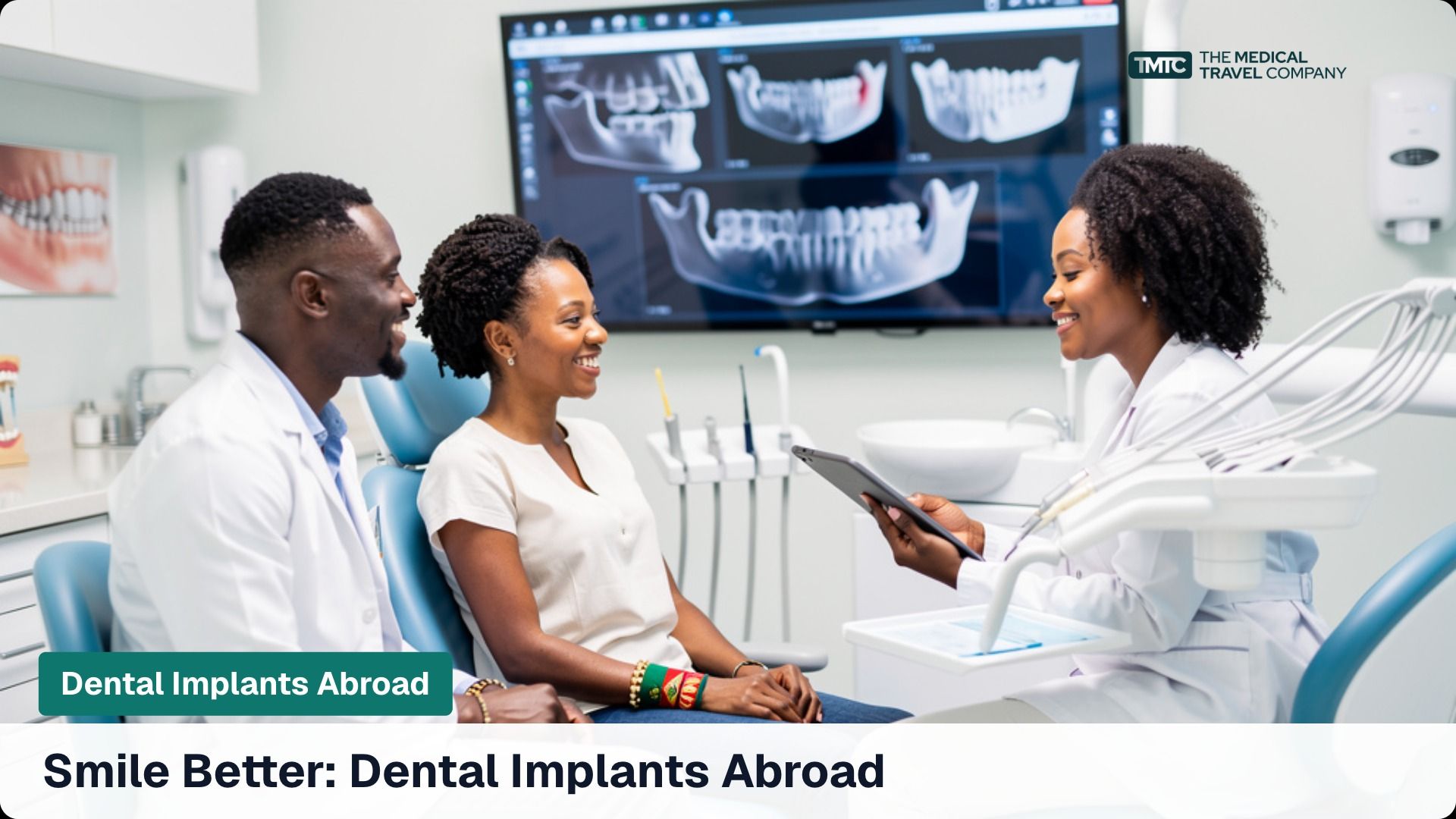
If you're dealing with missing teeth in Ghana, you're not alone. Missing teeth affect millions of people worldwide, and the traditional solutions available locally may not always meet your needs or budget. That's where dental implants abroad come in as a game-changing option.
Dental implants represent the gold standard for tooth replacement. Unlike dentures or bridges, implants provide a permanent solution that looks, feels, and functions like your natural teeth. They involve surgically placing a titanium post into your jawbone, which then fuses with the bone to create a strong foundation for your replacement tooth.
Why Consider Dental Implants Abroad?
Many Ghanaian patients are choosing to seek dental implant treatment abroad for several compelling reasons. First, the cost savings can be substantial — often 50-70% less than what you'd pay in Western countries, while still receiving world-class care.
According to research on dental care in West Africa, modern dentistry in Ghana started in the 1930s with expatriate dentists, and while the field has grown significantly, access to advanced procedures like implants can still be limited locally. This has led many patients to explore international options for comprehensive care.
Another key factor is the availability of advanced technology and specialized expertise. Many international clinics focus specifically on implantology, giving them extensive experience with complex cases. You'll often find cutting-edge equipment, digital planning technology, and surgeons who perform hundreds of implant procedures annually.
Understanding Dental Implant Costs Abroad
Cost is often the primary driver for seeking dental treatment abroad, and implants are no exception. Let's break down what you can expect to pay and how it compares to local options.
Typical Cost Breakdown
A single dental implant abroad typically costs between $800-$2,500, depending on your destination country. This includes the implant post, abutment, and crown. In comparison, similar treatment in Western countries often ranges from $3,000-$6,000 per implant.
| Country | Single Implant Cost | Full Mouth (4 implants) | Additional Benefits |
|---|---|---|---|
| India | $800-$1,200 | $3,500-$5,000 | English-speaking staff, advanced facilities |
| Turkey | $600-$1,000 | $2,800-$4,200 | EU standards, experienced surgeons |
| Thailand | $1,000-$1,800 | $4,500-$7,000 | Medical tourism infrastructure |
| Mexico | $900-$1,500 | $4,000-$6,500 | Close to US, quality care |
| Hungary | $1,200-$2,000 | $5,500-$8,000 | EU regulations, German standards |
Research shows that initial costs for implant-supported prostheses can vary significantly based on the number of implants used, with simple overdentures supported by two implants starting around $4,519, while more comprehensive solutions with six implants reaching $11,475.
Hidden Costs to Consider
When budgeting for dental implants abroad, don't forget to factor in travel expenses, accommodation, and potential follow-up visits. Most patients need to stay 7-10 days for the initial procedure, then return after 3-6 months for the final crown placement.
Many clinics offer package deals that include airport transfers, hotel accommodation, and multiple treatment visits. These packages often provide better value and reduce the stress of coordinating your trip independently.
The Implant Procedure: Step-by-Step
Understanding what happens during your implant procedure can help reduce anxiety and set proper expectations. Modern implant placement is typically performed under local anesthesia and is often described as less uncomfortable than a tooth extraction.
1. Initial Consultation and Planning
Your journey begins with a comprehensive examination, including 3D scans of your jawbone. This allows your surgeon to plan the exact placement of your implants and identify any preparatory work needed, such as bone grafting.
Many clinics now offer virtual consultations, allowing you to discuss your case and receive a preliminary treatment plan before traveling. This can save time and ensure you're a good candidate before making travel arrangements.
2. The Surgical Procedure
The actual implant placement typically takes 1-2 hours per implant. Your surgeon will make a small incision in your gum, create a precise hole in your jawbone, and place the titanium implant. The area is then sutured closed, and a temporary restoration may be placed.
Modern techniques like guided implant surgery use computer planning to ensure precise placement, reducing healing time and improving long-term success rates. Studies show that survival rates for dental implants reach 100% when proper protocols are followed.
3. Healing and Integration
After implant placement, you'll need 3-6 months for osseointegration — the process where your bone grows around and fuses with the implant. During this time, you can return home and continue your normal activities with some modifications.
Most patients experience minimal discomfort after the first few days. You'll receive detailed post-operative instructions and may have follow-up appointments via video call to monitor your healing progress.
Choosing the Right Clinic
Not all dental clinics abroad are created equal. Here's what to look for when selecting a clinic for your implant treatment.
Essential Criteria for Quality Care
Look for clinics with internationally trained surgeons, preferably with specialization in oral and maxillofacial surgery or periodontics. The clinic should use recognized implant brands like Nobel Biocare, Straumann, or Zimmer, which have extensive research backing their long-term success.
Accreditation is crucial. Seek clinics certified by international bodies like JCI (Joint Commission International) or ISO standards. These certifications ensure the clinic meets strict safety and quality protocols.
For Ghanaian patients specifically, dental implants through TMTC offer a curated selection of world-class facilities with proven track records in treating African patients. This can provide additional peace of mind and cultural understanding.
Red Flags to Avoid
Be wary of clinics that promise unrealistically quick treatment times. Quality implant treatment can't be rushed — bone healing takes time regardless of your destination. Similarly, avoid clinics that won't provide detailed treatment plans or refuse to discuss potential complications.
Prices that seem too good to be true often are. Extremely low-cost providers may use inferior materials, skip important steps, or lack proper sterilization protocols. Remember, you're investing in your long-term oral health.
Implants vs. Bridges: Making the Right Choice
When replacing missing teeth, you have several options. Understanding the differences can help you make an informed decision about your treatment.
Dental Implants vs. Bridges: Key Differences
- Lifespan: Implants can last 25+ years with proper care, while bridges typically need replacement after 10-15 years
- Bone preservation: Implants stimulate jawbone, preventing bone loss that occurs with missing teeth
- Adjacent teeth: Implants don't affect neighboring teeth, while bridges require grinding down adjacent teeth
- Cleaning: Implants are cleaned like natural teeth, while bridges require special flossing techniques
- Cost over time: While implants cost more initially, their longevity often makes them more economical long-term
- Success rate: Modern implants have a 95-98% success rate in healthy patients
For most patients with good oral health and adequate bone density, implants represent the superior long-term solution. However, bridges might be more suitable if you have multiple adjacent missing teeth or specific medical conditions that complicate implant surgery.
Long-Term Care for Your Investment
Dental implants can last a lifetime with proper care, but they do require maintenance. Here's what you need to know about keeping your implants healthy after treatment.
Essential Implant Care Guidelines
- Brush twice daily with a soft-bristled toothbrush, paying special attention to the gum line around implants
- Use antimicrobial mouthwash daily to reduce bacteria around the implant site
- Floss daily with implant-specific floss or use a water flosser to clean around the implant
- Avoid hard foods like ice, nuts, and hard candy that could damage the crown
- Schedule regular dental cleanings every 6 months, ideally with a hygienist experienced in implant care
- Don't smoke or use tobacco products, as they significantly increase the risk of implant failure
- Watch for signs of problems: persistent pain, swelling, looseness, or bleeding around the implant
Research indicates that proper post-treatment care significantly reduces complications, with well-maintained implants showing excellent long-term survival rates. Regular follow-up care is essential, whether with your treating clinic abroad or a qualified dentist in Ghana.
When to Seek Help
Contact your dental provider immediately if you experience severe pain, significant swelling, or signs of infection around your implant. Early intervention can often resolve issues before they become serious problems.
Establish care with a local dentist familiar with implants before traveling for treatment. This ensures you have someone to contact for routine maintenance or emergency care after your return to Ghana.
Taking Your Next Steps
Dental implants abroad offer an excellent opportunity to restore your smile with world-class care at affordable prices. The key is choosing the right provider and understanding what the process involves.
Start by researching accredited clinics in your preferred destination. Request detailed treatment plans and cost breakdowns from multiple providers. Don't rush the decision — take time to verify credentials, read patient reviews, and understand exactly what's included in your treatment package.
Consider working with a medical tourism facilitator who specializes in dental care. They can help coordinate your treatment, travel arrangements, and ensure you receive appropriate follow-up care. Quality dental implant services through established networks can provide additional oversight and support throughout your journey.
Remember, dental implants are a significant investment in your health and quality of life. With proper planning, research, and care, you can achieve excellent results that will serve you well for decades to come. The confidence and functionality that comes with a restored smile makes the journey worthwhile.
If you're ready to explore your options, start by scheduling consultations with qualified providers. Many offer virtual consultations that can help you understand your candidacy and begin planning your treatment journey. Your new smile is closer than you think.
References:
-
Review of Dentistry in West Africa: Challenges and Prospects- Information on the history and development of modern dentistry in Ghana and West Africa
-
Comparative Cost Analysis of Different Prosthetic Rehabilitations for the Edentulous Maxilla- Research on dental implant costs and success rates
-
A Phenomenological Analysis of Medical Tourism: Investigating the Lived Experience of Returning to Canada After Osseointegration Abroad- Study on patient experiences with medical tourism for dental procedures
-
Options for Types of Dental Health Personnel to Train for Ghana- Analysis of dental care patterns and needs in Ghana
Related Articles

Ready to open the door to better health?