Bladder Stone Treatment Abroad for Ethiopian Patients: Cost and Procedure Explained
Discover affordable bladder stone treatment abroad for Ethiopian patients, including costs, procedures, and expert guidance.
7m

Medical professional with 10+ years’ experience in diagnosis, patient care, and clinical leadership.
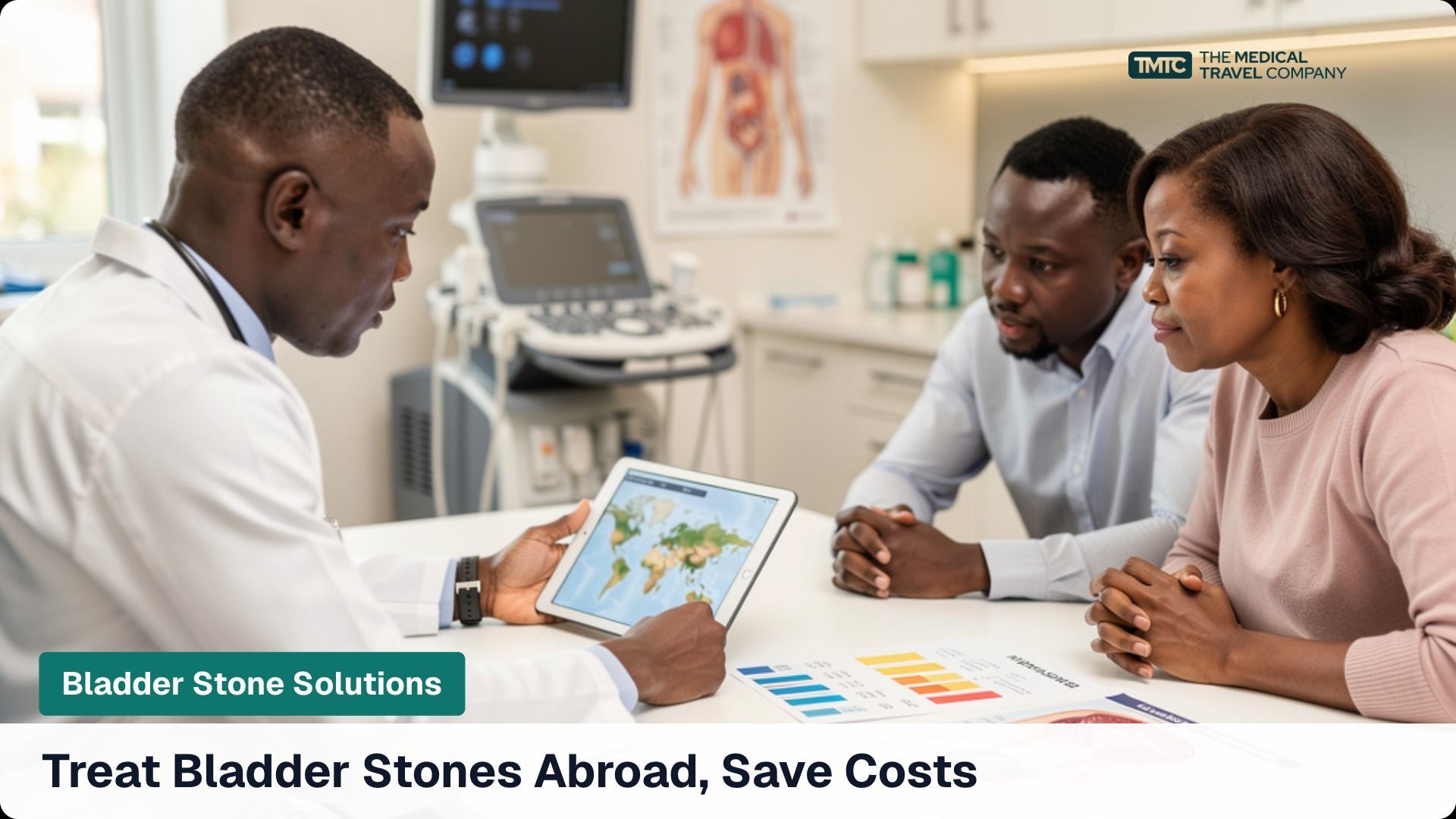
Dealing with bladder stones can be frustrating and painful. If you're an Ethiopian patient considering your treatment options, you're likely weighing the benefits of seeking medical care abroad. Many patients explore international treatment for access to advanced procedures, shorter waiting times, and potentially more affordable care.
What are Bladder Stones and How Do They Affect You?
Bladder stones are hard mineral deposits that form when your bladder doesn't empty completely during urination. These crystalline formations can range from tiny grain-sized particles to large stones several centimeters across. Unlike kidney stones that develop in your kidneys, bladder stones form directly in your bladder when concentrated urine sits too long.
The most common symptoms include sharp pain during urination, frequent urination especially at night, blood in your urine, and difficulty starting urination. You might also experience pain in your lower abdomen or back, and notice your urine stream stopping and starting abruptly. Some patients describe feeling like their bladder never fully empties, leading to constant discomfort.
Several factors contribute to bladder stone formation. Enlarged prostate in men often prevents complete bladder emptying, creating ideal conditions for stone development. Neurological conditions affecting bladder control, bladder infections, and certain medical devices like catheters can also increase your risk. Understanding these bladder pain causes helps you recognise when it's time to seek professional help.
Why Consider Treatment Abroad for Your Bladder Stones?
Seeking bladder stone treatment abroad offers several advantages for Ethiopian patients. Access to advanced medical technology may provide opportunities for minimally invasive procedures that might not be readily available locally. Many international hospitals offer specialist care and shorter waiting periods, allowing you to address your condition promptly.
Cost considerations also lead patients to explore international options. Treatment abroad may be more affordable than some private healthcare options in Ethiopia, depending on the hospital, procedure and individual requirements. Some medical travel packages include accommodation, transportation and aftercare, helping patients plan their expenses.
International treatment centres may provide personalised treatment plans based on your condition and medical history. You can receive specialist consultations, pre-procedure assessments and follow-up care to address the immediate problem and help prevent future stone formation.
Understanding Your Bladder Stone Treatment Options
The most common procedure for bladder stone removal is cystolitholapaxy, a minimally invasive technique used in many cases. During this procedure, your surgeon inserts a thin tube called a cystoscope through your urethra into your bladder. The stones are then broken up using laser energy, ultrasound or pneumatic devices, and the fragments are flushed out.
Cystolitholapaxy typically takes 30–60 minutes and can often be performed as a day procedure. You'll receive either spinal or general anaesthesia, and most patients experience manageable post-operative discomfort. The suitability of the procedure depends on the size and number of stones and your overall health.
For larger or particularly hard stones, your surgeon might recommend open surgery or laparoscopic removal. These approaches involve incisions to access the bladder directly. Recovery may take longer than with cystolitholapaxy, and your specialist will recommend the most appropriate approach based on your stone size, location and overall health.
Accurate diagnosis is crucial before any treatment begins. Bladder stone diagnosis typically involves ultrasound imaging, CT scans or X-rays to determine stone size, number and location. Your doctor might also perform cystoscopy to examine your bladder and identify any underlying conditions contributing to stone formation.
Treatment Costs for Ethiopian Patients
| Treatment Type | Average Cost (USD) | Hospital Stay | Recovery Time |
|---|---|---|---|
| Cystolitholapaxy | 1,500–2,500 | Same day | 3–5 days |
| Laser Lithotripsy | 2,000–3,000 | 1 day | 5–7 days |
| Open Surgery | 3,000–4,500 | 2–3 days | 2–3 weeks |
| Laparoscopic Removal | 2,500–3,500 | 1–2 days | 1–2 weeks |
These costs are indicative estimates and may include the procedure, hospital charges, surgeon fees and basic medications, depending on the provider. The final cost for Ethiopian patients will depend on the hospital, treatment plan and individual medical needs.
Several factors influence your final treatment cost. Stone size and complexity affect the procedure type and duration. Your overall health status might require additional pre-operative tests or post-operative monitoring. The choice of hospital and surgeon also impacts pricing, with premium facilities charging higher rates for enhanced amenities and services.
Additional expenses to consider include visa fees, flights, accommodation for accompanying family members and travel insurance. Medical travel companies may offer packages that include airport transfers, accommodation and patient coordination services, making it easier to plan your treatment journey.
Recovery and What to Expect After Surgery
Recovery after bladder stone surgery varies depending on your chosen procedure. Following cystolitholapaxy, most patients experience mild discomfort for 2–3 days. You might notice some blood in your urine initially, which should gradually clear. Drinking adequate water, as advised by your doctor, helps maintain urinary health and supports recovery.
Post-Surgery Recovery Guidelines
- Drink adequate water daily, following your doctor's recommendations.
- Take prescribed antibiotics exactly as directed, if required.
- Avoid heavy lifting or strenuous activity for 1–2 weeks, or as advised.
- Monitor your urine for excessive bleeding or signs of infection.
- Attend all follow-up appointments for proper healing assessment.
- Follow dietary recommendations to help prevent stone recurrence.
Managing your expectations during recovery helps ensure a smoother healing process. Mild burning during urination can persist for several days, and you might initially experience increased urinary urgency. These symptoms should gradually improve as your bladder heals.
Preventing future bladder stones requires ongoing attention to your urological health. Stay well-hydrated, aim for light-coloured urine throughout the day and address any underlying conditions, such as an enlarged prostate or neurological issues. Regular follow-up with your urologist helps monitor for stone recurrence and manage risk factors.
Getting Started with Your Treatment Journey
Beginning your treatment abroad starts with a comprehensive consultation to assess your condition and treatment needs. Many international clinics offer virtual consultations, allowing you to discuss your symptoms, review your medical history and understand your options before committing to travel. This preliminary assessment helps determine the appropriate treatment approach and provide a cost estimate.
Expert guidance throughout the process can help you make informed decisions about your care. Patient coordinators may assist with travel documentation, accommodation bookings and coordination with your local doctor to support continuity of care after you return to Ethiopia.
Patient Success Story
My bladder stone treatment abroad exceeded all expectations. The world-class care I received, combined with the affordable cost, made this the right choice for my family. The personalised treatment plan addressed not just my stones but also the underlying causes. Six months later, I'm pain-free and confident in the expert guidance I received throughout the entire process.
Patients from Ethiopia considering bladder stone treatment abroad should review available treatment options, hospital credentials and follow-up arrangements before making travel decisions. Individual outcomes vary depending on the underlying condition, treatment and recovery.
Your Next Steps Toward Better Health
Taking action for your health means not allowing bladder stones to continue affecting your quality of life. The pain, frequent urination and constant worry about your condition don't have to be permanent parts of your daily experience. Appropriate treatment can help relieve symptoms and address the underlying causes.
Consider exploring comprehensive urological treatment options that address your overall urinary health, not just the immediate stone problem. Some patients may also need treatment for underlying conditions to reduce the risk of recurrence.
Ready to learn more about your personalised treatment options? Contact our specialist team to discuss your situation, understand your treatment choices and receive information about costs and procedures. Our team can help you explore options for treatment in India based on your medical needs and circumstances.
References
Information in this article is based on medical guidance and research on bladder stone diagnosis and treatment. For advice about your specific condition, consult a qualified healthcare professional.
Ready to open the door to better health?