IVF Options for Couples in the Democratic Republic of the Congo: Exploring Treatment Abroad for Your Family
Explore IVF options for couples in the Democratic Republic of the Congo. Compare local and international treatment options, understand costs and success rates, and plan your fertility journey abroad.
Published on 29 October 202617m


Medical professional with 10+ years’ experience in diagnosis, patient care, and clinical leadership.
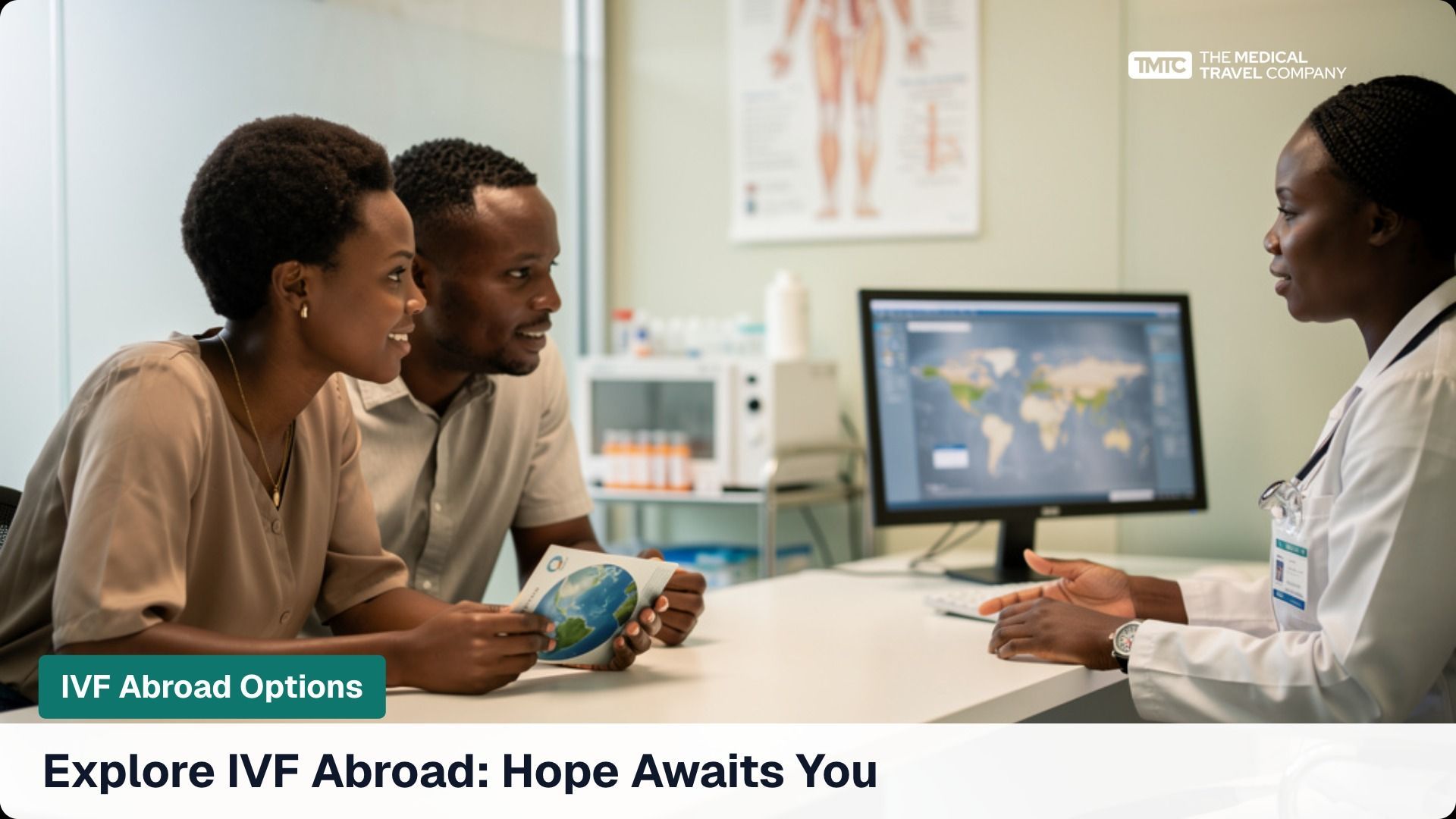
Starting or expanding a family can be an emotional journey, especially when conception does not happen as expected. For couples in the Democratic Republic of the Congo (DRC), finding the right fertility treatment may involve navigating limited access to specialised services, financial considerations and decisions about where to seek care.
In vitro fertilisation (IVF) offers one possible path to parenthood for couples experiencing certain fertility challenges. While fertility services are available in the DRC, access to assisted reproductive technology (ART) remains limited, and treatment can be expensive. A 2023 study examining infertility care in Kisangani also highlighted the financial and geographical barriers that couples may face when accessing IVF.
For some couples, exploring treatment abroad may provide access to additional fertility services, specialised laboratories and different treatment options. India, South Africa and Thailand are among the destinations worth researching, depending on your medical needs, budget and preferences.
This guide explains IVF options for couples in the DRC, what to consider when comparing treatment at home and abroad, how to understand success rates and how to plan for fertility treatment overseas.
Understanding IVF: A Path to Parenthood
In vitro fertilisation, commonly known as IVF, is an assisted reproductive technology in which eggs are retrieved from the ovaries and fertilised with sperm in a laboratory. The resulting embryos are monitored as they develop, and an embryo may be transferred into the uterus in an attempt to establish a pregnancy.
IVF may be recommended for several fertility conditions, including:
- Blocked or damaged fallopian tubes.
- Ovulation disorders or certain ovarian conditions.
- Endometriosis-related infertility.
- Certain male-factor fertility problems.
- Unexplained infertility when other approaches have not been successful.
- Situations where previous fertility treatments have not resulted in pregnancy.
The most appropriate treatment depends on the cause of infertility and the medical history of both partners. A fertility specialist may recommend medication, surgery, intrauterine insemination (IUI) or IVF, depending on the findings.
What Does the IVF Process Involve?
Although treatment plans vary, an IVF cycle generally includes the following stages:
- Initial consultation: The fertility specialist reviews your medical history and previous investigations.
- Fertility testing: Hormone tests, ultrasound scans, semen analysis and other investigations help guide treatment.
- Ovarian stimulation: Medication encourages the ovaries to develop multiple follicles.
- Egg retrieval: Mature eggs are collected through a procedure guided by ultrasound, usually under sedation.
- Fertilisation: Eggs are fertilised with sperm using conventional IVF or, when indicated, intracytoplasmic sperm injection (ICSI).
- Embryo development: Embryos are monitored in the laboratory.
- Embryo transfer: An embryo may be transferred into the uterus during the same cycle or a later frozen embryo transfer cycle.
- Pregnancy testing: A test is usually performed around 10–14 days after embryo transfer, following the clinic's instructions.
Not every patient will require the same procedures, and some cycles may be adjusted or postponed depending on the response to treatment.
IVF Options Within the Democratic Republic of the Congo
For couples in the DRC, the first step is understanding which fertility services are available locally and whether they meet their medical needs.
A study published in 2023 examining infertility care in Kisangani described the challenges couples face in accessing advanced fertility treatment, including IVF. A subsequent 2026 study also highlighted gaps in access to assisted reproductive technology, particularly in public healthcare services.
Specialised fertility services exist in the DRC, but availability, cost and geographical access may vary. Couples may need to travel to another city for consultations or treatment, depending on where they live and which services they require.
Before deciding to travel abroad, consider consulting a local gynaecologist or fertility specialist. Initial investigations and medical advice can help identify the likely cause of infertility and determine whether IVF is necessary.
What Should You Consider About Local Treatment?
When exploring fertility treatment within the DRC, consider the following:
- Availability of services: Confirm whether the clinic offers the specific procedure you may need.
- Clinical expertise: Ask about the qualifications and experience of the fertility specialist and embryology team.
- Laboratory facilities: Understand the clinic's capabilities for fertilisation, embryo culture and embryo freezing, where available.
- Treatment costs: Request an estimate that includes medications, tests, procedures and follow-up.
- Travel requirements: If the clinic is far from home, consider the cost and time involved in repeated visits.
- Continuity of care: Check how monitoring, follow-up appointments and any complications will be managed.
Local treatment may be preferable for couples who value proximity to family, easier follow-up and less international travel. For others, treatment abroad may be worth exploring if a particular service is unavailable locally or if they wish to compare different clinics and treatment plans.
The right choice depends on individual circumstances rather than location alone.
Why Consider IVF Treatment Abroad?
Seeking fertility treatment abroad can give couples access to a wider range of clinics and treatment approaches. It may also provide an opportunity to compare medical expertise, laboratory facilities and overall treatment packages before making a decision.
Access to Specialised Fertility Care
Some international fertility centres offer services such as IVF, ICSI, embryo freezing and other procedures when clinically appropriate.
However, the availability of a particular treatment does not mean it is suitable for every patient. A qualified specialist should review your medical records and explain which options are appropriate for your circumstances.
Opportunity to Compare Treatment Costs
The cost of fertility treatment can vary considerably between clinics and countries. Comparing written quotations may help couples understand the financial implications of treatment abroad.
It is important to compare equivalent services. A basic IVF package may not include medication, ICSI, embryo freezing or additional laboratory procedures. Travel and accommodation can also affect the final expense.
Coordinated Travel and Patient Support
Travelling for IVF involves more than attending a clinic. Couples may need help coordinating consultations, accommodation, airport transfers and communication with the medical team.
Providers experienced in international patient coordination may help organise these arrangements, allowing couples to focus on their treatment and recovery.
Access to Additional Treatment Options
Depending on the diagnosis, a specialist may discuss additional procedures such as ICSI, embryo freezing or donor-assisted IVF, where permitted by law and clinically appropriate.
Before choosing a destination, verify the applicable rules on donor eggs, donor sperm, embryo handling and eligibility for treatment. These regulations differ between countries and may affect which options are available to you.
Comparing IVF Destinations for Couples in the DRC
Several countries may be worth considering when researching fertility treatment abroad. The best destination depends on the treatment required, clinic credentials, costs, travel arrangements and follow-up support.
1. India
India is one destination to consider for couples from the DRC seeking fertility treatment abroad. Fertility centres offer IVF, ICSI and other assisted reproductive procedures, depending on the clinic and the patient's medical requirements.
When evaluating an Indian clinic, check its licensing, the fertility specialist's experience, laboratory standards and treatment-specific success rates. Ask whether the clinic has experience supporting international patients and whether remote consultations are available before travel.
India may also be worth considering if you want to explore treatment alongside coordinated assistance with accommodation, transportation and appointments.
TMTC helps international patients explore fertility treatment options through partner hospitals and specialists in India. The team can assist with medical-record coordination and travel arrangements, while the recommended clinic and treatment plan are confirmed according to each patient's requirements.
2. South Africa
South Africa is another destination couples may consider when comparing fertility services within the region.
Before choosing a clinic, review its treatment options, credentials, costs and experience with your particular diagnosis. Ask whether medication, investigations, embryo transfer and follow-up appointments are included in the quoted price.
Also consider the practical aspects of travel, including flights, accommodation and the duration of treatment. A geographically closer destination may reduce travel time for some couples, but the total cost and suitability of the treatment still need to be assessed.
3. Thailand
Thailand offers fertility services for international patients, with treatment options varying between clinics.
Couples considering Thailand should compare the qualifications of the fertility team, laboratory facilities, treatment outcomes and the availability of follow-up care. It is particularly important to confirm local legal requirements if you are considering donor-assisted treatment or other specialised procedures.
Travel costs and the number of visits required should also be considered when evaluating whether treatment in Thailand is practical for your family.
How Do You Choose the Right Destination?
Rather than choosing a country based on advertised success rates or prices alone, compare individual clinics against these criteria:
| Factor | What to check |
|---|---|
| Medical expertise | Specialist qualifications and experience with your diagnosis |
| Treatment options | Availability of the procedures recommended for you |
| Success rates | Age-specific outcomes and whether figures refer to pregnancy or live birth |
| Clinic credentials | Licensing, regulatory compliance and relevant accreditation |
| Cost transparency | Written breakdown of treatment, medication and additional procedures |
| Travel arrangements | Visa requirements, flights, accommodation and local transportation |
| Follow-up care | Plans for monitoring and support after returning to the DRC |
A clinic should be willing to explain its treatment recommendations, discuss alternatives and provide a clear estimate before you commit.
Understanding IVF Success Rates
IVF success rates are an important consideration when comparing clinics. However, no single figure can predict an individual couple's outcome.
Success depends on factors such as the woman's age, ovarian reserve, egg and sperm quality, the cause of infertility, embryo development and previous treatment history. The clinic's laboratory practices and the treatment protocol may also influence outcomes.
How Does Age Affect IVF Outcomes?
Age is particularly important when IVF uses a woman's own eggs. Egg quantity and quality generally decline with age, which can affect fertilisation, embryo development and the chance of a successful pregnancy.
Women under 35 generally have more favourable outcomes, while success rates tend to decline with increasing age. However, individual circumstances vary, and a fertility specialist should interpret test results alongside the patient's medical history.
When reviewing clinic statistics, ask:
- What age group do the reported figures represent?
- Are the results based on each IVF cycle, egg retrieval or embryo transfer?
- Do the figures measure positive pregnancy tests, clinical pregnancies or live births?
- Are frozen embryo transfers included?
- Are the statistics based on patients with similar fertility conditions?
A clinic reporting a high success rate may be treating a different patient population or using a different measurement. Comparing figures without understanding these differences can be misleading.
Does Treatment Abroad Improve IVF Success Rates?
Not automatically. Travelling abroad does not, by itself, increase the likelihood of pregnancy.
A clinic may offer suitable expertise or procedures that are not readily accessible to a particular patient locally. However, the quality of the proposed treatment, the patient's diagnosis and individual medical factors matter more than the destination alone.
Ask your fertility specialist to explain the expected benefits, limitations, risks and alternatives before deciding where to receive treatment.
Understanding the Cost of IVF Treatment Abroad
The cost of IVF can be a significant concern for couples in the DRC. A study published in 2023 reported that the median price of an IVF cycle, including medication, was approximately US$8,000 in the DRC at the time of the study. This is a historical research estimate, not a current quotation, and prices may vary between clinics and treatment plans.
International treatment may have a different price structure, but the advertised procedure cost does not always reflect the total amount a couple will spend.
What Should an IVF Budget Include?
| Expense | What to consider |
|---|---|
| IVF cycle | The procedures and laboratory services included in the clinic's package |
| Fertility medication | Hormonal stimulation drugs and other prescribed medicines |
| Diagnostic tests | Blood tests, ultrasound scans, semen analysis and other investigations |
| Additional procedures | ICSI, embryo freezing, genetic testing or other recommended services |
| Flights and visa | Return travel, visa fees and required documentation |
| Accommodation | Length of stay and arrangements for both partners |
| Local transportation | Airport transfers and travel between accommodation and the clinic |
| Follow-up care | Pregnancy testing, consultations and coordination after returning home |
How Can You Compare Costs More Effectively?
Request a written estimate from each clinic you are considering. Ask whether the price includes medication, monitoring, egg retrieval, fertilisation, embryo transfer and follow-up consultations.
Also clarify what happens if additional medication is needed, the treatment cycle is cancelled, embryos need to be frozen or another cycle is recommended.
If travelling abroad, budget for possible changes to the treatment schedule and an extended stay. The cheapest initial quotation may not be the least expensive option once all expenses are considered.
IVF vs IUI: Understanding Your Treatment Options
IVF is not the only treatment available for infertility. Depending on the diagnosis, a specialist may recommend intrauterine insemination (IUI) or another treatment before considering IVF.
IUI involves placing prepared sperm directly into the uterus around the time of ovulation. It is generally less invasive and less expensive than IVF, but it is not suitable for every fertility condition.
| Factor | IVF | IUI |
|---|---|---|
| Procedure | Fertilisation occurs in a laboratory | Prepared sperm is placed in the uterus |
| Treatment complexity | Involves ovarian stimulation, egg retrieval and laboratory procedures | Generally less invasive |
| Common indications | Blocked fallopian tubes, certain male-factor problems and selected other conditions | Selected cases of unexplained or mild fertility problems |
| Cost | Generally higher per cycle | Generally lower per cycle |
| Suitability | Depends on the diagnosis and treatment history | Depends on the diagnosis and other fertility factors |
Some couples may be suitable for IUI, while others may be advised to consider IVF directly. A fertility specialist can explain the expected benefits, limitations and costs of each option.
Planning Your IVF Journey Abroad
Once you have decided to explore treatment abroad, careful preparation can make the process easier to manage.
1. Start with a Fertility Assessment
Arrange a consultation with a qualified fertility specialist. Both partners may need assessment, depending on the medical history and suspected cause of infertility.
Gather previous reports, including hormone tests, ultrasound scans, semen analysis, surgical records and details of earlier treatments.
2. Request a Review of Your Medical Records
Before booking travel, ask your chosen clinic to review your records and provide a preliminary treatment recommendation.
Confirm whether additional tests are needed, whether any investigations can be completed in the DRC and how recent the results must be.
3. Confirm Treatment and Travel Requirements
Check the relevant visa requirements for your destination and the documents needed for medical travel. If you intend to travel with your partner, confirm whether any additional documentation is required.
Ask the clinic how long you should expect to remain near the treatment centre. The duration depends on the protocol, monitoring schedule and whether a fresh or frozen embryo transfer is planned.
4. Arrange Accommodation and Practical Support
Consider the distance between your accommodation and the clinic, transport availability, meal arrangements and the needs of your companion.
If you are using a medical travel coordinator, confirm which services are included and which expenses you will need to arrange separately.
5. Plan for Follow-Up Care
Before returning to the DRC, obtain your treatment summary, medication instructions, test results and follow-up schedule.
Discuss how pregnancy testing and subsequent monitoring will be managed. Identify a local healthcare provider who can support you after your return and clarify whom to contact if you experience concerning symptoms.
Emotional Support During Fertility Treatment
Fertility treatment can involve uncertainty, repeated appointments and difficult decisions. Travelling abroad may add financial pressure, time away from family and unfamiliar surroundings.
It can help to discuss treatment expectations openly with your partner and agree on a budget and plan before beginning. Ask your clinic whether counselling or other emotional support is available.
Remember that infertility is a medical condition and is not the responsibility of one partner alone. A respectful, supportive approach can help couples navigate decisions together.
Taking the Next Step Towards Building Your Family
For couples in the Democratic Republic of the Congo, deciding between local fertility care and treatment abroad requires careful consideration of medical needs, available services, cost and practical support.
India, South Africa and Thailand are among the destinations worth exploring, but the right choice depends on the clinic and treatment plan rather than the country alone. Understanding success rates, comparing complete treatment costs and arranging follow-up care can help you make an informed decision.
You do not need to commit to treatment before understanding your options. Start by discussing your medical history with a qualified fertility specialist and asking questions about the available approaches.
Exploring IVF in India with TMTC
TMTC helps international patients explore fertility treatment options through partner hospitals and specialists in India. The team can assist with medical-record coordination, treatment-plan discussions and travel arrangements.
If you are considering IVF in India, you can share your medical records to explore possible treatment options and receive information about the proposed clinic, treatment plan and estimated costs before deciding whether to proceed.
Your fertility journey is personal. The aim is to help you make an informed decision about the care that best suits your circumstances.
Frequently Asked Questions
1. Is IVF available in the Democratic Republic of the Congo?
Fertility services are available in the DRC, although access to assisted reproductive technology may be limited by location and cost. Availability varies between providers, so confirm which services a local clinic offers and whether it can meet your medical needs.
2. Should couples in the DRC consider IVF treatment abroad?
Treatment abroad may be worth exploring if a recommended procedure is unavailable locally, if you want to compare clinics or if you are seeking a specific fertility service. The decision should be based on medical suitability, costs, clinic credentials and the practicalities of travel.
3. How much does IVF cost in the DRC compared with India?
Costs vary by clinic and treatment plan. A 2023 study reported a historical median IVF cycle cost of approximately US$8,000, including medication, in the DRC. Current prices in both countries should be confirmed directly with clinics, and comparisons should include travel, accommodation and any additional procedures.
4. What is the success rate of IVF for couples from the DRC?
There is no single success rate that applies to all couples from the DRC. Outcomes depend on factors including age, diagnosis, egg and sperm quality, embryo development and the treatment protocol. Ask the clinic for age-specific live-birth rates and clarification of how its results are calculated.
5. Can both partners be assessed before travelling?
Yes. Couples can ask their local healthcare provider to arrange initial fertility assessments before travelling. Confirm which reports the overseas clinic accepts and whether additional investigations will be required.
6. How long should we stay abroad for IVF?
The duration depends on the treatment plan, monitoring requirements and whether embryo transfer takes place during the same cycle or later. Your clinic should provide an estimated timeline before you make travel arrangements.
7. Is India a suitable destination for IVF treatment?
India may be an option for couples seeking IVF and related fertility services. Evaluate individual clinics based on their credentials, specialist expertise, laboratory standards, treatment-specific outcomes, costs and follow-up arrangements.
8. Can TMTC help with IVF treatment arrangements in India?
TMTC helps international patients explore treatment options through partner hospitals and fertility specialists in India. Assistance may include medical-record coordination, treatment discussions and travel logistics. Confirm the proposed clinic, treating doctor, procedure and costs before making a decision.
References and Further Reading
- Mufuansoni, J. K., Ingoma, R. M., Mbutuku, A. M., Itela, P. K., & Makombo, Y. Y. (2026). Infertility, reproductive equity, and policy pathways for assisted reproductive technology in the Democratic Republic of the Congo. International Journal of Women's Health, 18, 610760. https://doi.org/10.2147/IJWH.S610760
- Tertiary care for infertile couples: Aetiological diagnoses and conventional treatment outcomes in Kisangani, Democratic Republic of the Congo. (2023). https://pmc.ncbi.nlm.nih.gov/articles/PMC10353214/
Ready to open the door to better health?