Knee Replacement Abroad: A UK Patient's Complete Guide to Overseas Surgery
Discover everything UK patients need to know about knee replacement surgery abroad. Compare costs, assess candidacy, and plan your journey to world-class care.
9 April 202616m

Dr Piyush Das
Dr Piyush- Medical professional with 10+ years’ experience in diagnosis, patient care, and clinical leadership.
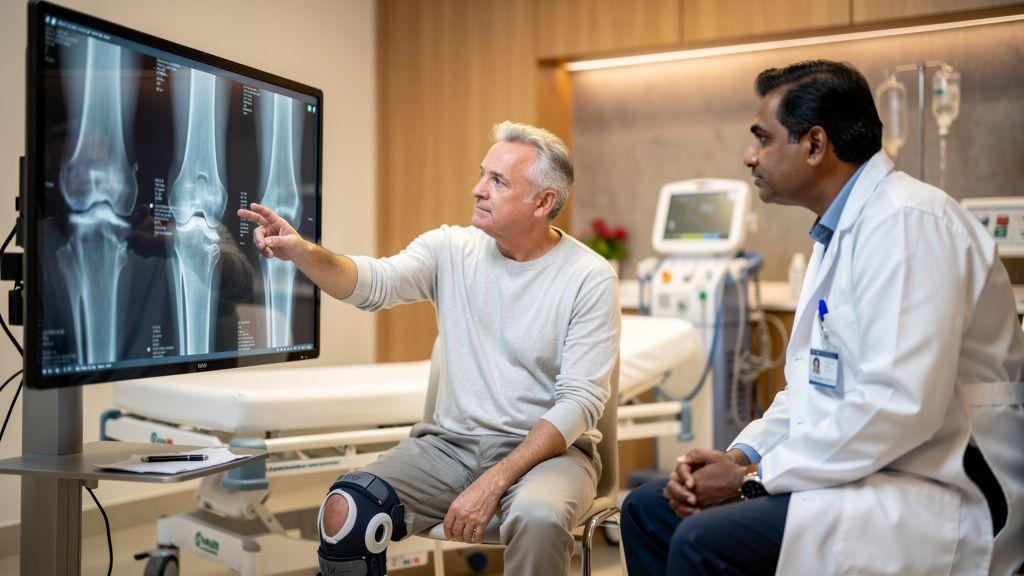
Facing months or even years on an NHS waiting list for knee replacement surgery can feel overwhelming when you're struggling with daily pain and limited mobility. Many UK patients are discovering that knee replacement surgery abroad offers a viable alternative, providing access to world-class care without the lengthy delays. With proper planning and the right guidance, overseas surgery can transform your quality of life while offering significant cost savings compared to private UK treatment.
This comprehensive guide walks you through everything you need to know about pursuing knee replacement surgery abroad, from determining if you're a suitable candidate to managing your recovery back home. We'll explore the costs, benefits, and practical considerations that UK patients face when making this important healthcare decision.
Is Knee Replacement Surgery Abroad Right for You?
Not every patient is suitable for overseas knee replacement surgery. Your candidacy depends on several medical and personal factors that need careful evaluation before you travel.
Understanding Your Medical Candidacy
The ideal candidate for knee replacement abroad typically experiences severe knee pain that significantly impacts daily activities, has tried conservative treatments without success, and maintains reasonable overall health for surgery and travel. According to medical experts, key indicators include persistent pain despite medication, difficulty sleeping due to knee discomfort, and significant limitations in walking or climbing stairs.
Your knee replacement candidacy also depends on the extent of joint damage visible on X-rays and MRI scans. Surgeons look for evidence of bone-on-bone contact, significant cartilage loss, and joint deformity that affects your leg alignment. Age isn't necessarily a barrier, though patients over 80 require more thorough pre-operative assessment.
Medical Fitness Requirements for International Travel
Travel fitness is crucial for overseas surgery success. You'll need cardiovascular clearance to ensure your heart can handle both the surgical stress and long-haul flights. Most hospitals require recent blood work, an ECG, and sometimes an echocardiogram for patients with heart conditions.
Respiratory fitness is equally important. Conditions like severe asthma, COPD, or recent respiratory infections can complicate both surgery and travel. Your surgeon will assess your lung function and may require pulmonary clearance if you have breathing difficulties.
Blood clotting disorders require special attention since long flights increase thrombosis risk. If you're taking blood thinners or have a history of clots, your medical team will develop a specific protocol for managing these medications around surgery and travel.
Pre-Travel Medical Checklist
- Complete blood count and basic metabolic panel within 30 days
- ECG and cardiac clearance if over 60 or with heart conditions
- Chest X-ray to rule out respiratory issues
- Review of all current medications with your GP
- Dental clearance to prevent post-surgical infections
- Updated vaccinations as required by destination country
- Medical records translated and organised for overseas team
Comparing Knee Replacement Surgery Costs: UK vs Abroad
The financial aspect of knee replacement surgery often drives UK patients to consider overseas options. Understanding the true cost comparison requires looking beyond just the surgical fee.
NHS Waiting Times vs Private Overseas Options
Recent research shows that UK patients face increasingly lengthy waiting times for elective orthopaedic procedures, with some regions experiencing delays of 18-24 months for knee replacement surgery. These delays can significantly impact your quality of life, work productivity, and mental health.
Private knee replacement surgery in the UK typically costs £12,000-£18,000, depending on the hospital, surgeon, and implant choice. This doesn't include potential complications, extended physiotherapy, or time off work. In contrast, comprehensive knee replacement packages abroad, including surgery, hospital stay, and initial rehabilitation, often cost £4,000-£8,000.
Total Cost Breakdown for Overseas Surgery
| Cost Component | UK Private | India Package | Potential Savings |
|---|---|---|---|
| Surgery & Hospital | £12,000-£18,000 | £3,500-£5,500 | £8,500-£12,500 |
| Flights (2 people) | N/A | £800-£1,200 | Included in savings |
| Accommodation | N/A | £300-£600 | Included in package |
| Travel Insurance | N/A | £150-£300 | Essential coverage |
| Total Estimated | £12,000-£18,000 | £4,750-£7,600 | £4,400-£13,250 |
These savings become even more significant when you factor in the immediate access to treatment. The cost of managing chronic pain, reduced work capacity, and decreased quality of life during extended waiting periods can far exceed the travel expenses for overseas surgery.
Hidden Costs UK Patients Often Overlook
Many patients focus solely on the surgical cost but miss several important expenses. Comprehensive travel insurance specifically covering overseas surgery is essential and typically costs £150-£300. You'll also need to budget for prescription medications abroad, which may differ from UK formulations.
Post-operative care costs can vary significantly. While most packages include initial physiotherapy, you may need additional sessions or specialised equipment. Some patients require extended stays due to complications or slower recovery, which can add accommodation and meal costs.
Why India Leads in Knee Replacement Surgery for UK Patients
India has emerged as the preferred destination for UK patients seeking knee replacement surgery abroad, offering a unique combination of clinical excellence, cost-effectiveness, and cultural familiarity.
World-Class Medical Infrastructure
Leading Indian hospitals maintain international accreditation standards, with many holding Joint Commission International (JCI) certification. These facilities use the same implant brands available in UK hospitals, including Zimmer, Stryker, and DePuy, ensuring you receive proven technology and materials.
The infrastructure rivals top UK private hospitals, featuring state-of-the-art operating theatres with laminar air flow systems, advanced imaging capabilities, and comprehensive rehabilitation facilities. Many hospitals have dedicated international patient wings with English-speaking staff and culturally appropriate amenities.
Surgeon Qualifications and International Standards
Indian orthopaedic surgeons performing knee replacements for international patients typically hold qualifications equivalent to UK consultants. Many have trained in the UK, US, or other Western countries and maintain active involvement in international medical conferences and research.
The surgical protocols follow international best practices, with similar approaches to infection control, anaesthesia management, and post-operative care. Patient safety standards mirror those in Western hospitals, with dedicated infection control teams and comprehensive quality monitoring systems.
Success Rates and Patient Outcomes
Studies show that knee replacement success rates in accredited Indian hospitals match international standards, with over 95% of patients experiencing significant pain relief and improved mobility. Long-term implant survival rates are comparable to those achieved in UK centres.
The language advantage cannot be understated. English is widely spoken in Indian hospitals, eliminating communication barriers that might exist in other overseas destinations. This ensures clear understanding of post-operative instructions, pain management protocols, and recovery expectations.
Your Knee Replacement Journey: From Consultation to Recovery
Understanding the step-by-step process helps you prepare mentally and practically for your overseas surgery experience.
Pre-Surgery Planning and Virtual Consultations
Your journey begins with a virtual consultation where the overseas surgeon reviews your medical records, imaging studies, and current symptoms. This detailed assessment determines your surgical candidacy and helps plan the specific approach for your knee replacement.
Medical record preparation is crucial for a smooth process. You'll need recent X-rays and MRI scans, blood test results, medication lists, and detailed documentation of previous treatments. Many facilitators help coordinate these requirements and ensure proper translation when necessary.
Pre-operative optimisation might begin weeks before travel. This could include physiotherapy to strengthen surrounding muscles, weight management if needed, and smoking cessation programs. Some patients benefit from iron supplements if they're anaemic or adjustments to chronic medications.
The Surgery Process Explained
Modern knee replacement surgery typically takes 1-2 hours and involves removing damaged cartilage and bone before implanting artificial components. Most procedures use minimally invasive techniques that preserve muscle tissue and reduce recovery time.
Anaesthesia options include general anaesthesia, spinal blocks, or a combination approach. Your anaesthesiologist will discuss the best option based on your health status and personal preferences. Many patients appreciate the comprehensive pain management protocols that begin during surgery and continue through recovery.
Surgical techniques have evolved significantly, with computer-assisted surgery and patient-specific instrumentation improving precision and outcomes. Your surgeon will explain their specific approach and why it's suitable for your individual anatomy and lifestyle needs.
Immediate Post-Operative Care Abroad
Hospital stays typically last 3-5 days, depending on your recovery progress and any complications. The first 24-48 hours focus on pain management, wound care, and preventing complications like blood clots or infections.
Physiotherapy begins within hours of surgery, starting with simple exercises to maintain circulation and prevent stiffness. Most patients achieve 90-degree knee flexion before discharge, though full range of motion develops over weeks to months.
Discharge planning includes detailed instructions for wound care, medication management, and activity restrictions. You'll receive emergency contact information and clear guidelines for when to seek immediate medical attention.
Rehabilitation and Physiotherapy: Starting Your Recovery
Successful knee replacement recovery depends heavily on following proper rehabilitation protocols, beginning immediately after surgery and continuing for months.
Immediate Post-Operative Physiotherapy
Indian hospitals typically provide comprehensive physiotherapy services with protocols similar to UK standards. Your physiotherapy program begins on the day of surgery with breathing exercises and gentle leg movements to prevent complications.
Early mobilisation is key to preventing stiffness and blood clots. Most patients stand and take a few steps within 24 hours of surgery, progressing to walking with assistance by day two. The physiotherapy team works closely with nursing staff to coordinate pain management with exercise sessions.
Recent studies emphasise the importance of prehabilitation and early post-operative mobilisation in improving outcomes for hip and knee replacement patients. Your overseas team will provide detailed exercise protocols to continue both before and after your return to the UK.
Preparing for Your Return Journey
Most patients can fly safely 10-14 days after knee replacement surgery, though individual recovery varies. Your surgical team will assess your wound healing, pain levels, mobility, and overall medical stability before clearing you for travel.
Flight preparation includes specific precautions to prevent blood clots during long-haul travel. You'll likely wear compression stockings, perform regular calf exercises, and possibly take blood-thinning medication as directed by your surgical team.
Arrange aisle seating for easier leg positioning and movement during the flight. Many airlines can provide wheelchair assistance at both departure and arrival airports, reducing stress on your new knee joint during transfers.
Pre-Flight Preparation Checklist
- Medical clearance letter from your surgical team
- Complete set of medical records and X-rays
- Prescription medications with clear labeling
- Compression stockings and comfortable clothing
- Pain medication for the journey
- Emergency contact information for overseas hospital
- Travel insurance documentation
- Detailed physiotherapy instructions for UK continuation
Continuing Your Recovery: UK GP and Specialist Follow-Up
Seamless transition of care from your overseas surgical team to UK healthcare providers is essential for optimal recovery outcomes.
Coordinating Care with Your UK GP
Before travelling abroad, inform your GP about your surgical plans and request their support for post-operative care. Most GPs are willing to provide follow-up care when presented with comprehensive medical documentation from reputable overseas facilities.
Prepare a detailed handover package including your surgical report, post-operative X-rays, medication list, and physiotherapy protocols. This documentation helps your GP understand exactly what was done and what care you need going forward.
Schedule a follow-up appointment with your GP within a week of returning home. This allows for wound assessment, medication review, and early identification of any complications that might require NHS intervention.
Long-Term Monitoring and Check-Ups
Research on patient travel distances and outcomes shows that proper follow-up care is crucial regardless of where surgery was performed. Your GP can coordinate routine monitoring including periodic X-rays to check implant position and bone healing.
Most knee replacements require X-ray follow-up at 6 weeks, 3 months, 1 year, and then annually. Your GP can arrange these through the NHS system, ensuring long-term implant monitoring without additional private costs.
Blood tests may be needed if you're taking anti-inflammatory medications or if there are concerns about infection or implant loosening. Regular monitoring helps detect potential issues early when they're easier to address.
Managing Complications from Abroad
While complications are rare, knowing how to access urgent care gives peace of mind. Most knee replacement complications present within the first few weeks and include infection, blood clots, or implant problems.
Warning signs requiring immediate medical attention include increasing pain, swelling, redness around the incision, fever, or sudden shortness of breath. Don't hesitate to contact NHS 111 or visit A&E if you experience these symptoms.
Your overseas surgical team typically provides 24/7 support for the first several weeks after surgery. Many hospitals maintain dedicated helplines for international patients, offering guidance and coordination with UK healthcare providers when needed.
UK Follow-Up Care Checklist
- Schedule GP appointment within 1 week of return
- Organise physiotherapy continuation through NHS or private provider
- Arrange 6-week post-operative X-rays
- Ensure wound care supplies are available
- Confirm prescription medications can be obtained from UK pharmacy
- Register with local orthopaedic department for long-term monitoring
- Keep overseas hospital contact information easily accessible
Managing Risks and Ensuring Safety During Overseas Surgery
While overseas surgery offers significant benefits, understanding and mitigating potential risks ensures the safest possible experience.
Choosing the Right Hospital and Surgeon
Hospital accreditation is your first safety checkpoint. Look for Joint Commission International (JCI) accreditation or equivalent international standards. These certifications require hospitals to meet stringent safety, quality, and infection control standards.
Surgeon credentials should include board certification in orthopaedic surgery, specific training in knee replacement procedures, and preferably international experience. Many top surgeons have trained or worked in Western countries and maintain active professional memberships.
Ask about surgeon volume - those performing more than 100 knee replacements annually typically have better outcomes. Don't hesitate to request references from previous UK patients or to see before-and-after case studies.
Travel Insurance and Medical Coverage
Standard travel insurance doesn't cover planned medical procedures abroad. You need specialised medical tourism insurance that covers complications, extended stays, and emergency medical evacuation if needed.
Comprehensive coverage should include pre-existing condition coverage, complications arising from surgery, additional accommodation if recovery takes longer than expected, and emergency repatriation to the UK if serious complications develop.
Some insurance policies also cover a companion's extended stay if you need additional recovery time. Read policy details carefully and ensure coverage begins from your departure date and continues for several weeks after your return.
| Risk Factor | Mitigation Strategy | Additional Notes |
|---|---|---|
| Hospital infection | Choose JCI-accredited facilities | Infection rates often lower than UK averages |
| Communication barriers | Ensure English-speaking staff | Request dedicated international coordinator |
| Surgical complications | Verify surgeon credentials and volume | Complication rates similar to UK when properly vetted |
| Travel complications | Medical tourism insurance | Covers extended stays and emergency evacuation |
| Follow-up care gaps | Prepare comprehensive handover documents | Coordinate with UK GP before travel |
Success Stories: UK Patients Share Their Experience
Real patient experiences provide valuable insights into what you can expect from knee replacement surgery abroad.
I was facing an 18-month wait on the NHS and the pain was becoming unbearable. The Medical Travel Company arranged everything perfectly - from the initial consultation to my recovery in India. The hospital was incredibly modern, the surgeon was excellent, and I was walking properly again within weeks. Six months later, I'm pain-free and back to all my normal activities. The cost was less than half what I would have paid privately in the UK, and the care was outstanding.
Many UK patients report that the personalised attention and comprehensive care packages exceed their expectations. The Medical Travel Company specialises in connecting UK patients with world-class orthopaedic centres, providing expert guidance throughout your journey and ensuring seamless coordination between overseas treatment and UK follow-up care.
Quality of Life Improvements
Most patients experience dramatic improvements in pain levels, mobility, and overall quality of life within 3-6 months of surgery. The ability to return to work, exercise, and daily activities without constant pain transforms not just physical health but mental wellbeing too.
Long-term follow-up studies show that patient satisfaction rates for overseas knee replacement surgery in UK match or exceed those for domestic procedures when patients choose accredited facilities and experienced surgeons.
The financial benefits extend beyond the immediate cost savings. Many patients report improved work productivity, reduced need for pain medications, and decreased healthcare costs related to managing chronic knee problems.
Practical Advice from Previous Patients
Experienced patients recommend thorough preparation, including strengthening exercises before travel, comfortable clothing for the journey, and realistic expectations about recovery timelines. Many suggest bringing familiar comfort items and maintaining positive communication with family back home.
The importance of choosing reputable facilitators cannot be overstated. Orthopaedic services like those provided by The Medical Travel Company in Uk offer comprehensive support including hospital selection, travel coordination, and ongoing patient advocacy throughout your treatment journey.
Making Your Decision: Next Steps
Choosing knee replacement surgery abroad requires careful consideration of your medical needs, financial situation, and personal circumstances. The combination of shorter waiting times, significant cost savings, and access to world-class care makes overseas treatment an increasingly attractive option for many UK patients.
Start by consulting with your GP about your candidacy for surgery and fitness for travel. Gather your medical records and research accredited hospitals and experienced surgeons in your chosen destination. Consider working with established medical tourism facilitators who can guide you through the process and ensure proper coordination of care.
Remember that successful overseas surgery depends on thorough preparation, realistic expectations, and commitment to following post-operative care instructions. With proper planning and professional guidance, knee replacement abroad can provide the pain relief and improved mobility you've been waiting for, allowing you to return to the active, fulfilling life you deserve.
References
-
What is the impact of longer patient travel distances and times on perioperative outcomes following revision knee replacement- BMJ Open research on patient travel and surgical outcomes
-
Common elective orthopaedic procedures and their clinical effectiveness- BMJ umbrella review of orthopaedic surgery evidence
-
Prehabilitation for frail patients undergoing hip and knee replacement in the UK- BMJ Open study on preparation protocols for joint replacement
-
Knee Replacement Surgery procedures and outcomes- Medical information on knee replacement success rates and protocols
-
7 Signs You're Ready for Knee Replacement- Clinical indicators for knee replacement candidacy
Ready to open the door to better health?