Kidney Stones Treatment Abroad: Complete Guide for UK Patients in 2026
Discover world-class kidney stones treatment abroad for UK patients. Compare ESWL & PCNL procedures, costs, recovery times & travel requirements. Get expert guidance.
9 April 202614m

Dr Piyush Das
Dr Piyush- Medical professional with 10+ years’ experience in diagnosis, patient care, and clinical leadership.
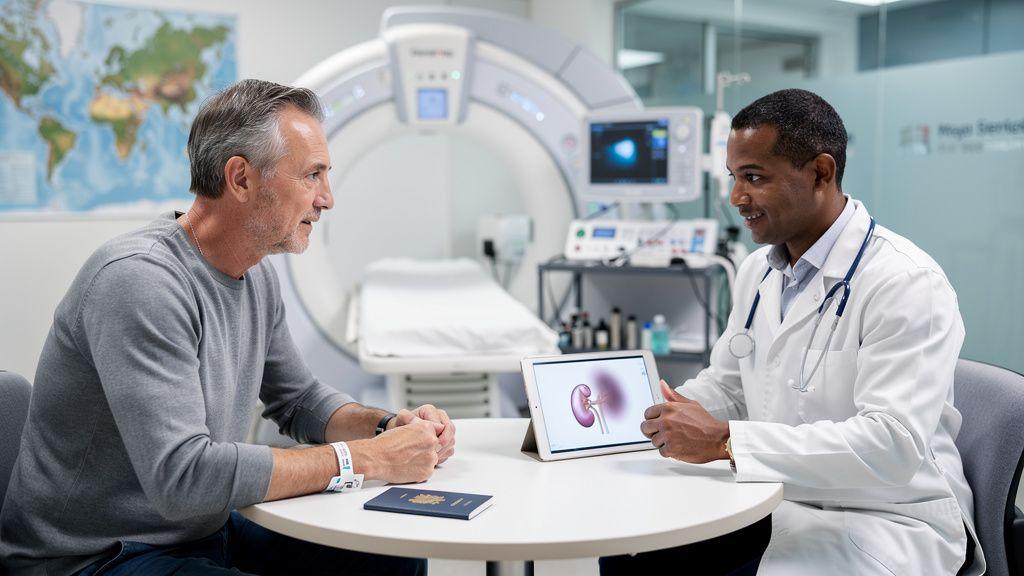
If you're one of the half a million UK patients dealing with kidney stones each year, you know the pain can be excruciating. While the NHS provides excellent care, waiting times for non-emergency procedures can stretch for months. That's why increasing numbers of UK patients are choosing kidney stones treatment abroad, where they can access the same high-quality procedures at a fraction of the cost and without the wait.
The number of hospital episodes for kidney stones increased by 70% between 2000 and 2015, according to NICE guidelines. With a lifetime prevalence of 13%, you're certainly not alone in seeking faster, more affordable treatment options. Modern kidney stone procedures performed at internationally accredited hospitals can offer you the same world-class care you'd expect in the UK, often with shorter recovery times and significant cost savings.
Understanding Your Kidney Stone Treatment Options
Kidney stones are different from bladder stones in both their location and treatment approach. While bladder stones form in your bladder itself, kidney stones develop in your kidneys and can travel down through your ureters. This distinction matters because it determines which surgical techniques will be most effective for your specific situation.
The two main surgical procedures for kidney stones are ESWL (Extracorporeal Shock Wave Lithotripsy) and PCNL (Percutaneous Nephrolithotomy). Your treatment choice depends on factors like stone size, location, and composition. International hospitals offer both techniques using the latest equipment and methods, often with innovations that may not yet be widely available through the NHS.
What makes treatment abroad particularly attractive is the combination of shorter waiting times, competitive pricing, and access to experienced urologists. Many international specialists have trained in the UK or worked with UK medical teams, ensuring you receive care that meets familiar standards while benefiting from lower overhead costs.
ESWL Treatment: Non-Invasive Stone Removal
ESWL uses focused shock waves to break kidney stones into smaller fragments that you can pass naturally through urination. This non-invasive procedure is typically the first-line treatment for stones under 20mm in diameter, making it suitable for about 80% of kidney stone cases.
How ESWL works for different stone types
During ESWL, you'll lie on a treatment table while a machine generates shock waves that pass through your skin to reach the stones. The procedure typically takes 30 to 60 minutes and is performed under sedation or light anaesthesia. Success rates vary based on stone composition, with calcium oxalate stones responding better than harder stone types like cystine.
Research shows that 3-month stone-free rates after ESWL range from 65% to 85%, depending on stone size and location. Lower calyceal stones, which sit in the bottom part of your kidney, may have slightly lower success rates due to gravitational effects on fragment passage.
Recovery timeline and what to expect
Most patients can return to normal activities within 1-2 days after ESWL. You'll likely experience some discomfort as stone fragments pass, but this is manageable with pain medication. Complete stone clearance can take several weeks, during which you'll need to drink plenty of fluids and strain your urine to monitor fragment passage.
The beauty of choosing ESWL abroad is that you can often have the procedure done within days of your consultation, rather than waiting months on NHS lists. Many patients find they can combine their treatment with a short recovery holiday, returning home feeling refreshed and stone-free.
PCNL Surgery: Advanced Treatment for Larger Stones
When stones are larger than 20mm or ESWL hasn't been successful, PCNL offers a more direct approach. This minimally invasive procedure involves creating a small access point through your back to remove stones directly from your kidney.
Traditional PCNL vs modern mini-PCNL techniques
Traditional PCNL uses instruments around 24-26 Fr in diameter, while newer mini-PCNL and ultra-mini-PCNL techniques use smaller instruments (12-16 Fr). NICE recognises mini-PCNL as suitable for stones 12-24mm in diameter, offering reduced bleeding risk and faster recovery compared to traditional methods.
The mini-PCNL approach means you'll have a smaller incision, less post-operative pain, and typically a shorter hospital stay. Many international centres specialise in these advanced techniques, giving you access to the latest surgical innovations that might not yet be standard practice everywhere in the UK.
Hospital stay and recovery expectations
PCNL typically requires a 3-5 day hospital stay, depending on the complexity of your case and which technique is used. You'll have a nephrostomy tube initially to ensure proper kidney drainage, which is usually removed before discharge. Most patients can fly home within a week of their procedure, making it practical for UK patients seeking treatment abroad.
Success rates for PCNL are excellent, with stone-free rates exceeding 90% for most cases. The procedure is particularly effective for complex stones, large stones, or stones that haven't responded to other treatments.
Top Destinations for UK Patients
Several countries have established themselves as leading destinations for UK patients seeking kidney stone treatment, each offering unique advantages in terms of cost, quality, and convenience.
India: The preferred choice for urological care
India has become the top destination for UK patients needing kidney stone treatment, thanks to its combination of world-class hospitals, English-speaking medical teams, and significant cost savings. Many Indian urologists have trained in the UK or hold British qualifications, ensuring familiar treatment standards.
JCI-accredited hospitals in major Indian cities offer state-of-the-art equipment and facilities that rival the best in Europe. You can expect to save 60-70% on treatment costs compared to UK private healthcare, while receiving care from specialists who understand UK medical practices and patient expectations.
| Procedure | UK Private Cost | India Cost | Potential Savings |
|---|---|---|---|
| ESWL (per session) | £2,000-3,500 | £600-1,200 | Up to 70% |
| Mini-PCNL | £8,000-12,000 | £2,500-4,000 | Up to 65% |
| Traditional PCNL | £10,000-15,000 | £3,000-5,000 | Up to 67% |
| Complete package (inc. stay) | £12,000-18,000 | £4,000-7,000 | Up to 65% |
Other quality destinations to consider
Turkey, Thailand, and certain European countries also offer excellent kidney stone treatment options. Turkey provides the advantage of shorter flight times and similar time zones, while Thailand combines treatment with a tropical recovery environment. The key is choosing hospitals with international accreditation and proven track records with UK patients.
Travel Fitness and Medical Requirements
Before travelling for kidney stone treatment, you'll need medical clearance to ensure you're fit to fly and that your condition won't pose risks during travel.
Getting clearance from your UK GP
Your GP will need to assess whether you're stable enough to travel. If you've had recent acute stone episodes with severe pain or infection, you may need to wait until symptoms settle. Most GPs are supportive of medical travel when NHS waiting times are lengthy, and they can provide the necessary medical clearance documentation.
You'll need current imaging results (usually CT or ultrasound scans) taken within the past 3-6 months, blood test results, and a summary of your medical history. These documents help the overseas medical team plan your treatment and ensure continuity of care.
Essential documents for travel
- Medical clearance letter from your UK GP
- Recent CT or ultrasound scan results
- Complete blood count and kidney function tests
- List of current medications and allergies
- Travel insurance with medical treatment cover
- Comprehensive medical history summary
Managing pain during travel
If you're experiencing active stone pain, your doctor may prescribe stronger pain medications for the journey. Staying well-hydrated during flights is important, but balance this with the practicality of frequent bathroom visits during long flights. Aisle seats and compression stockings can help make your journey more comfortable.
Treatment Process and Recovery Timeline
Understanding what to expect during your treatment abroad helps you plan effectively and reduces anxiety about the process.
Pre-treatment consultation and planning
Most quality medical travel companies arrange a detailed consultation before you travel, often via video call with your assigned surgeon. This allows you to discuss your specific case, understand the recommended procedure, and ask questions about recovery expectations.
Your treatment plan will be personalised based on your stone characteristics, medical history, and personal preferences. The surgeon will explain why they recommend ESWL, mini-PCNL, or traditional PCNL for your particular case, helping you make an informed decision.
| Timeline | ESWL Treatment | Mini-PCNL Treatment |
|---|---|---|
| Day 1 | Arrival, consultation, pre-op tests | Arrival, consultation, pre-op tests |
| Day 2 | ESWL procedure, recovery | Surgery, initial recovery |
| Day 3 | Assessment, possible discharge | Tube removal, mobility assessment |
| Day 4-5 | Follow-up, travel home | Final checks, discharge |
| Total stay | 3-4 days | 5-7 days |
Post-treatment care and follow-up
Before you return home, you'll have follow-up imaging to confirm treatment success and receive detailed discharge instructions. Your medical team will coordinate with your UK GP to ensure smooth continuation of care, providing comprehensive medical reports and recommendations for ongoing monitoring.
Many medical travel providers offer 24/7 support lines for the first few weeks after your return, giving you peace of mind if you have questions during your recovery at home.
Coordinating with Your UK Healthcare Team
Successful medical travel isn't just about the procedure itself – it's about ensuring seamless integration with your ongoing UK healthcare. This coordination is crucial for your long-term kidney health and stone prevention.
Informing your GP and specialist
Always inform your UK GP about your plans for treatment abroad before you travel. Most doctors are understanding about medical travel when NHS waiting times are lengthy. They'll often provide medical clearance letters and can arrange follow-up appointments for after your return.
If you're under the care of a UK urologist, let them know about your treatment plans too. They may want to review your post-treatment results and can provide continuity of care for any future stone prevention strategies.
Essential follow-up schedule
Your overseas medical team will provide a comprehensive discharge summary and recommended follow-up schedule. Typically, this includes imaging at 1 month, 3 months, and 6 months to ensure complete stone clearance and monitor for any complications.
Your UK GP can arrange these follow-up tests through the NHS, ensuring you don't face additional costs for ongoing monitoring. The key is maintaining open communication between your overseas treatment team and UK healthcare providers.
UK follow-up essentials
- Schedule GP appointment within 1 week of return
- Arrange 1-month follow-up imaging through GP
- Share discharge summary with UK medical team
- Monitor symptoms and report any concerns promptly
- Discuss stone prevention strategies with GP
- Keep overseas medical contact details for questions
Cost Analysis and Financial Planning
Understanding the complete cost picture helps you make informed decisions about kidney stone treatment abroad. While the procedure costs are significantly lower, you'll need to factor in travel and accommodation expenses.
Complete cost breakdown
Treatment abroad typically costs 60-70% less than UK private healthcare, even when you include travel expenses. Many medical travel companies offer all-inclusive packages that cover your procedure, hospital stay, airport transfers, and even companion accommodation.
For ESWL treatment, you might pay £600-1,200 for the procedure abroad compared to £2,000-3,500 in the UK. Add £800-1,500 for flights, accommodation, and meals, and you're still saving thousands while avoiding months of waiting.
| Cost Component | ESWL Package | Mini-PCNL Package |
|---|---|---|
| Medical procedure | £600-1,200 | £2,500-4,000 |
| Hospital stay (3-5 days) | £200-400 | £400-800 |
| Flights (return for 2) | £600-1,200 | £600-1,200 |
| Accommodation (5-7 days) | £300-600 | £500-800 |
| Total estimated cost | £1,700-3,400 | £4,000-6,800 |
| UK private equivalent | £4,000-6,000 | £12,000-18,000 |
| Total savings | £2,300-2,600 | £5,200-11,200 |
Insurance considerations
Some UK private health insurance policies may contribute to overseas treatment costs, particularly if you can demonstrate that NHS waiting times are unreasonably long. It's worth checking with your insurer before making plans.
Travel insurance with medical treatment cover is essential, even when you're travelling specifically for medical care. This covers any complications or additional treatment needs that might arise during your trip.
Real Patient Experiences and Outcomes
UK patients consistently report positive experiences with kidney stone treatment abroad, particularly praising the personal attention, shorter waiting times, and excellent clinical outcomes.
Clinical outcomes for kidney stone treatment abroad match or exceed UK standards. International centres report success rates of 90-95% for PCNL procedures and 70-85% for ESWL, depending on stone characteristics.
Quality of life improvements
Patients frequently mention the relief of getting treatment quickly rather than living with ongoing pain and uncertainty. Many find that the experience of medical travel, when well-organised, is less stressful than navigating lengthy NHS waiting lists while managing stone symptoms.
The personalised attention available at international centres often exceeds what's possible within stretched NHS resources. You'll typically have more time with your surgeon, detailed explanations of your treatment options, and comprehensive discharge planning.
Getting Started with Your Treatment Journey
Taking the first step toward kidney stone treatment abroad might feel daunting, but the process is straightforward when you work with experienced medical travel specialists.
Initial consultation process
Most reputable medical travel companies offer free initial consultations to assess your suitability for treatment abroad. They'll review your medical records, explain your options, and provide detailed cost estimates with no obligation to proceed.
Companies like The Medical Travel Company specialise in connecting UK patients with world-class urological care, particularly their minimally invasive urology treatment in uk. Their expertise in coordinating care between UK and international medical teams ensures a seamless experience from consultation to recovery.
Planning your treatment trip
Once you've decided to proceed, your medical travel coordinator will handle most of the logistics. They'll arrange your initial consultation with the overseas surgeon, coordinate flight times with your treatment schedule, and ensure you have appropriate accommodation near the hospital.
The coordination extends to your return journey as well, including medical clearance for flying and arrangements for any necessary medical support during travel. With TMTC aftercare support for quick recovery, this comprehensive approach ensures you can focus entirely on healing rather than handling logistics.
Your next steps checklist
- Gather recent medical records and imaging results
- Schedule free consultation with medical travel specialist
- Discuss plans with your UK GP
- Review treatment options and cost estimates
- Check travel insurance options and requirements
- Plan time off work for treatment and recovery
Your journey to becoming stone-free doesn't have to involve months of waiting or prohibitive costs. With proper planning and the right medical travel partner, you can access world-class kidney stone treatment that fits your timeline and budget. The combination of experienced international surgeons, modern facilities, and comprehensive care coordination makes treatment abroad an increasingly attractive option for UK patients seeking relief from kidney stones.
Whether you're suitable for minimally invasive ESWL or need the more comprehensive approach of mini-PCNL, international centres offer the same high-quality care you'd expect in the UK, often with additional benefits like personalised attention and faster access to the latest surgical techniques. The key is choosing experienced providers who understand the unique needs of UK patients and can coordinate seamlessly with your ongoing healthcare at home.
References
-
NICE Guidelines - Renal and ureteric stones: scope- Hospital episode statistics and prevalence data for kidney stones in the UK
-
NICE Technology Guidance - Minimally invasive percutaneous nephrolithotomy- Information on mini-PCNL techniques and applications
-
Efficacy and safety of surgical treatments for lower calyceal stones- Success rates and comparative outcomes for different kidney stone procedures
-
Surgical Management of Urolithiasis of the Upper Tract- Comprehensive review of PCNL success rates and techniques
-
Cleveland Clinic Kidney Stone Treatment Guide- Patient information on treatment options and recovery expectations
Ready to open the door to better health?