
Dental Implants Abroad: Quality Standards That Match UK Excellence
Discover why dental implants abroad maintain world-class quality standards. Same premium brands, rigorous accreditation - affordable healthcare abroad.
26 March 202614m

Dr Sukalpa Rathore

Medical content writer with dental expertise (BDS, MSc in F. Odont.), focused on cross-border healthcare.
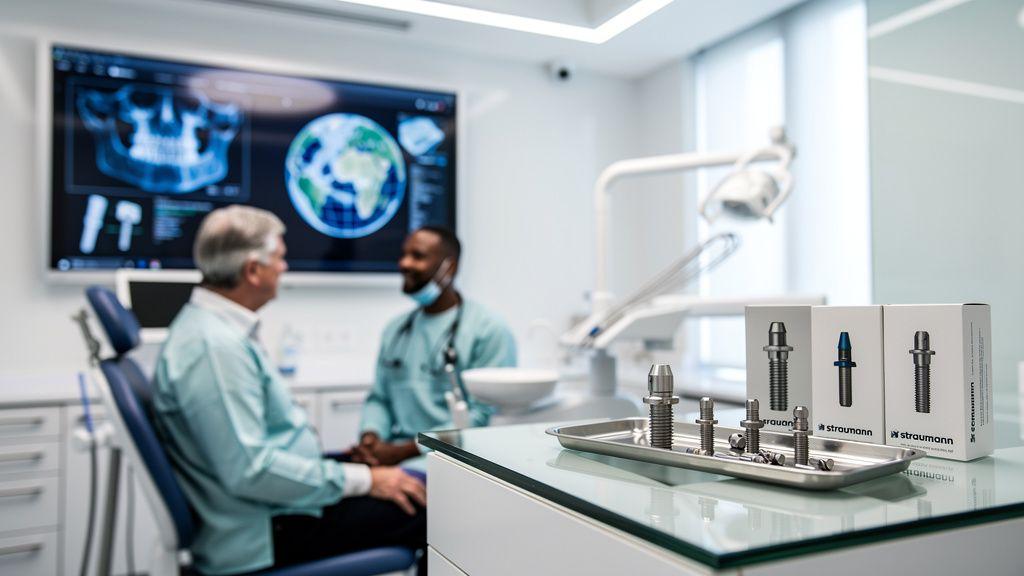
When you're considering dental implants abroad, the biggest concern isn't usually the cost savings - it's whether you'll receive the same quality of care you'd expect in the UK. This worry is understandable, but it's often based on outdated perceptions rather than modern reality. Leading overseas dental clinics don't just match UK standards - many actually exceed them, using identical materials, equipment, and protocols while offering significant cost advantages.
The truth is that dental care has become truly globalised. The same premium implant brands used in London's top clinics are standard in world-class facilities from India to Turkey. The same rigorous international accreditation standards apply. And increasingly, the same cutting-edge technology that defines modern implant dentistry is being adopted faster overseas than in many UK practices.
The Quality Question: Debunking Myths About Dental Implants Overseas
Let's address the elephant in the room. Many UK patients assume that lower costs abroad must mean lower quality. This misconception stems from outdated ideas about medical tourism that simply don't reflect today's reality.
Why Quality Concerns Are Often Misplaced
The assumption that overseas treatment means compromised care overlooks a fundamental shift in global healthcare.
Research on dental tourism shows
that many international destinations have invested heavily in state-of-the-art facilities specifically to attract discerning international patients.Lower treatment costs abroad aren't the result of cutting corners on quality - they reflect different economic structures. Overhead costs, staff salaries, and regulatory expenses vary significantly between countries, but the materials, equipment, and clinical protocols remain consistent with international standards.
The Global Nature of Modern Dentistry
Dental implant technology isn't confined by borders. The major manufacturers - Straumann, Nobel Biocare, Zimmer Biomet - maintain the same quality control standards whether their products are sold in Manchester or Mumbai.
Studies on titanium dental implants
confirm that material quality and manufacturing standards are globally standardised across these leading brands.This globalisation extends beyond materials to include surgical techniques, sterilisation protocols, and treatment planning software. Modern dental education is internationally recognised, with many overseas practitioners training at the same institutions or under the same curricula as UK dentists.
What Really Determines Implant Success
Implant success depends on three critical factors: quality materials, proper surgical technique, and adequate healing time. None of these are geographically dependent. Whether you're in Birmingham or Bangkok, a properly placed Straumann implant will integrate with your bone tissue in exactly the same way.
The most important quality indicator isn't location - it's the clinic's adherence to international protocols and their investment in modern equipment and ongoing training.
Same Premium Implant Brands Used Worldwide
One of the strongest indicators of quality parity between UK and overseas treatment is the universal use of the same premium implant systems. Leading international clinics don't use 'budget alternatives' - they stock the identical products you'd receive at London's most prestigious practices.
Leading Implant Manufacturers: Straumann, Nobel Biocare, and Zimmer
The global implant market is dominated by a handful of manufacturers whose products meet the highest international standards. Straumann, based in Switzerland, supplies clinics worldwide with identical products. Their implants undergo the same rigorous testing whether destined for a clinic in London or Delhi.
Nobel Biocare, the company that pioneered modern implant dentistry, maintains consistent manufacturing standards across all markets. When you receive a Nobel implant abroad, it's manufactured to exactly the same specifications as those used in the UK, often in the same facilities.
Zimmer Biomet's global distribution ensures that their advanced implant systems are available worldwide. Their products carry the same warranties and are supported by the same research and development, regardless of where they're placed.
Global Supply Chain Consistency
These manufacturers operate global supply chains with strict quality control. An implant manufactured in Switzerland doesn't become 'lower quality' because it's shipped to India rather than the UK. The same batch testing, sterilisation processes, and quality assurance measures apply universally.
Reputable overseas clinics source directly from these manufacturers or their authorised distributors, ensuring authenticity and full warranty coverage. Many maintain detailed records showing the provenance of every implant they place.
Why Top Clinics Abroad Use Identical Materials
Leading overseas clinics specifically choose premium brands because their international reputation depends on delivering exceptional results. Using substandard materials would quickly damage their standing with international patients who have high expectations and access to review platforms.
These clinics often showcase their use of premium brands as a key differentiator. They understand that discerning patients research implant brands and expect the same quality they'd receive at home.
International Accreditation Standards That Ensure Excellence
Quality in modern dental care isn't guaranteed by location - it's verified through rigorous international accreditation systems that apply the same standards globally. Understanding these accreditations helps you identify clinics that meet or exceed UK standards.
ISO Standards and Clinical Accreditation
ISO 13485 sets the international standard for medical device quality management systems. Clinics holding this accreditation must demonstrate the same quality controls whether they're in Manchester or Mumbai. This standard covers everything from equipment maintenance to staff training protocols.
Many leading overseas clinics also pursue Joint Commission International (JCI) accreditation, considered the gold standard for healthcare quality globally. JCI standards often exceed local UK requirements, covering patient safety, infection control, and clinical protocols in exhaustive detail.
European CE Marking Requirements
All dental implants used in reputable clinics, whether in the UK or abroad, must carry CE marking for European compliance. This marking indicates that products meet strict safety, health, and environmental protection standards. The requirements are identical regardless of where the implant is eventually placed.
CE marking covers not just the implant itself, but also associated components like abutments and crowns. This comprehensive system ensures that every component of your implant restoration meets European quality standards.
Professional Qualifications and Training Recognition
Dental qualifications are increasingly internationally recognised. Many overseas practitioners hold degrees from European or American institutions, or have completed additional training with the same organisations that train UK dentists.
Professional bodies like the International Congress of Oral Implantologists (ICOI) and the International Team for Implantology (ITI) provide consistent training standards globally. Surgeons certified by these organisations have demonstrated competency to the same standards regardless of their practice location.
Why Leading Overseas Clinics Often Exceed UK Standards
Paradoxically, many overseas clinics targeting international patients maintain higher standards than typical UK practices. This isn't by accident - it's a strategic necessity for competing in the global healthcare market.
Investment in Latest Technology and Equipment
Competition for international patients drives continuous investment in cutting-edge technology. While NHS constraints and established practices may delay technology adoption in the UK, overseas clinics often implement the latest innovations immediately to maintain their competitive edge.
Digital dentistry adoption illustrates this clearly. Many overseas clinics have invested in comprehensive digital workflows - 3D imaging, computer-guided surgery, same-day crowns - that remain uncommon in UK practices due to cost considerations.
State-of-the-art facilities aren't just for show. Modern equipment enables more precise treatment planning, less invasive surgery, and better outcomes. When clinics invest in premium technology, patients benefit from more comfortable and successful treatment.
Specialisation and Volume Advantages
Many overseas clinics specialise exclusively in implant dentistry, performing hundreds of procedures monthly. This specialisation develops expertise that general dental practices, even excellent ones, simply can't match.
High volume creates a virtuous cycle. More procedures mean more experience, better outcomes, and the financial ability to invest in advanced equipment and ongoing training. Surgeons placing implants daily develop skills that those performing procedures occasionally cannot replicate.
Continuous Professional Development Focus
International clinics invest heavily in staff training because their reputation depends on consistently excellent results. They regularly send practitioners to international conferences, advanced training programmes, and workshops with leading manufacturers.
This commitment to continuous learning often exceeds what's practical for busy UK practices. The result is clinical teams that stay current with the latest techniques and technologies as they emerge.
Quality Indicators to Look for When Choosing Overseas Treatment
Knowing what quality markers to look for empowers you to identify clinics that truly deliver world-class care. These indicators are more reliable than location or price in predicting treatment success.
Essential Accreditations and Certifications
- ISO 13485 medical device quality certification
- Joint Commission International (JCI) accreditation
- Local dental association membership and registration
- International professional body certifications (ICOI, ITI)
- Transparent reporting of success rates and complications
Technology and Equipment Standards
Modern implant dentistry relies on advanced technology for optimal outcomes. Look for clinics equipped with 3D CT scanning for precise treatment planning, computer-guided surgery systems for accurate implant placement, and digital impression systems for superior crown fabrication.
The presence of on-site dental laboratories using CAD/CAM technology indicates a commitment to quality and efficiency. This setup enables better quality control and faster turnaround times for custom restorations.
Surgeon Qualifications and Experience
Research your surgeon's qualifications thoroughly. Look for specialists with recognised implant training, membership in international professional bodies, and documented experience with complex cases. Many top overseas surgeons have trained in Europe or the US and maintain continuing education relationships with prestigious institutions.
Experience matters, but so does recent training. The field evolves rapidly, so surgeons committed to ongoing education often deliver better results than those relying solely on years of experience with outdated techniques.
Treatment Protocols: Matching UK Clinical Standards
World-class implant treatment follows established protocols regardless of location. Understanding these protocols helps you evaluate whether a clinic maintains appropriate standards.
Pre-Treatment Assessment and Planning
Comprehensive assessment begins with detailed medical and dental histories.
NHS guidance on dental implants
emphasises the importance of thorough evaluation including 3D imaging to assess bone quality and quantity.Leading clinics worldwide follow identical assessment protocols. They use the same imaging technology, risk assessment criteria, and treatment planning software used in top UK practices. The thoroughness of this initial evaluation is your first indicator of clinical quality.
Surgical Protocols and Sterility Standards
Implant surgery requires the same sterile conditions worldwide. Modern sterilisation equipment and protocols are standardised internationally, with no variation in requirements based on location.
Surgical technique follows evidence-based protocols developed by implant manufacturers and professional organisations. These techniques are taught consistently in international training programmes, ensuring that properly trained surgeons work to identical standards globally.
Post-Treatment Care and Follow-up
Quality clinics maintain contact throughout your healing period, providing detailed aftercare instructions and scheduled follow-up appointments. Many offer virtual consultations for international patients, using high-quality images to monitor healing progress.
The healing timeline for implant integration doesn't vary by location - bone biology is the same everywhere. Reputable clinics won't rush this process regardless of patient pressure, understanding that proper healing is essential for long-term success.
Success Rates and Long-term Outcomes Abroad
The ultimate measure of quality is treatment success. Research shows that properly placed implants achieve similar success rates worldwide when identical materials and protocols are used.
| Treatment Factor | UK Standard | Leading Overseas Clinics |
|---|---|---|
| 5-year success rate | 95-97% | 95-98% |
| Premium implant brands | Straumann, Nobel, Zimmer | Identical brands |
| Sterilisation protocols | WHO standards | WHO standards |
| Surgeon training requirements | Specialist qualification | Equivalent international certification |
| Warranty provision | Varies by practice | Often more comprehensive |
Comparative Success Rate Data
Long-term studies of implant success show no significant variation based on geographical location when comparing clinics using identical materials and protocols.
Research on peri-implant health maintenance
emphasises that success depends primarily on proper case selection, surgical technique, and patient compliance with aftercare - not treatment location.Many overseas clinics actually report higher success rates than average UK practices, though this likely reflects their specialisation and patient selection rather than superior technique.
Factors Influencing Long-term Success
Implant longevity depends on several key factors: initial stability achieved during placement, quality of the surrounding bone and gums, patient's overall health, and long-term maintenance. None of these factors are influenced by the country where treatment occurs.
The most critical factor is often patient selection. Clinics that carefully screen candidates and refuse unsuitable cases typically report better outcomes than those accepting all patients regardless of risk factors.
Warranty and Guarantee Provisions
Many overseas clinics offer more comprehensive warranties than typical UK practices, understanding that international patients need additional reassurance. These warranties often cover both the implant itself and the restoration, providing peace of mind that matches or exceeds domestic options.
However, warranty terms matter less than the clinic's track record and commitment to addressing any issues that arise. The best warranty is excellent initial treatment that makes claims unnecessary.
Patient ExperienceThe level of care and attention I received during my dental implant treatment abroad exceeded my expectations. The clinic used the same Straumann implants my UK dentist quoted, but with more advanced digital planning technology and at a fraction of the cost. Two years later, my implants are performing perfectly. — Sarah M., London
Making an Informed Decision: Your Path to World-Class Care
Choosing overseas treatment requires careful evaluation, but the right clinic can deliver exceptional results that rival or exceed what you'd receive domestically. The key is knowing what to look for and asking the right questions.
Questions to Ask Potential Providers
Essential Questions for Overseas Dental Clinics
- Which implant brands do you use, and can you provide authenticity certificates?
- What international accreditations does your clinic hold?
- Can you provide detailed success rate data for your implant procedures?
- What is your surgeon's training background and experience level?
- How do you handle complications or warranty claims for international patients?
- What technology do you use for treatment planning and implant placement?
- Can you provide references from recent UK patients?
Red Flags to Avoid
Avoid clinics that can't provide clear information about their implant brands, surgeon qualifications, or success rates. Be wary of operations that pressure you to commit immediately or seem reluctant to answer detailed questions about their protocols.
Extremely low prices may indicate the use of substandard materials or shortcuts in treatment protocols. While overseas treatment should offer cost savings, prices significantly below regional averages often reflect compromised quality.
Building Confidence in Your Choice
The best overseas clinics welcome scrutiny and provide comprehensive information about their standards, equipment, and outcomes. They understand that informed patients make better candidates and are happy to demonstrate their quality credentials.
For those seeking
affordable dental implants in India
or other destinations, working with established medical tourism facilitators can provide additional quality assurance and support throughout your treatment journey.Quality dental implant treatment isn't confined by borders. The same materials, technology, and protocols that define excellence in UK dentistry are available worldwide in properly equipped clinics with qualified practitioners. By focusing on objective quality indicators rather than location-based assumptions, you can access
world-class dental implant treatment
at significant cost savings without compromising on standards.The key to successful overseas treatment lies in thorough research, asking the right questions, and choosing clinics that demonstrate their commitment to international standards through accreditation, technology investment, and transparent reporting of outcomes. When these criteria are met, overseas dental implants can provide the same excellent results you'd expect from the UK's finest practices.
References
-
Contemporary dental tourism: a review of reporting in the UK- Research on dental tourism trends and quality considerations
-
A Survey of the Opinion and Experience of UK Dentists- UK dental professional perspectives on overseas treatment
-
Global Tourist Guide to Oral Care - A Systematic Review- Comprehensive analysis of international dental tourism quality
-
Titanium Dental Implants: An Overview of Applied Materials- Technical specifications and quality standards for dental implant materials
-
Maintenance of peri-implant health in general dental practice- Factors affecting long-term implant success and maintenance
-
Dental implants in restorative dentistry - NHS Cambridge- NHS guidance on dental implant treatment standards