Choosing the Right IVF Clinic: What Truly Matters vs. Common Misconceptions
Discover essential factors for selecting an IVF clinic and debunk common myths to make informed decisions for your fertility journey.
24 April 202611m

Dr Piyush Das
Dr Piyush- Medical professional with 10+ years’ experience in diagnosis, patient care, and clinical leadership.
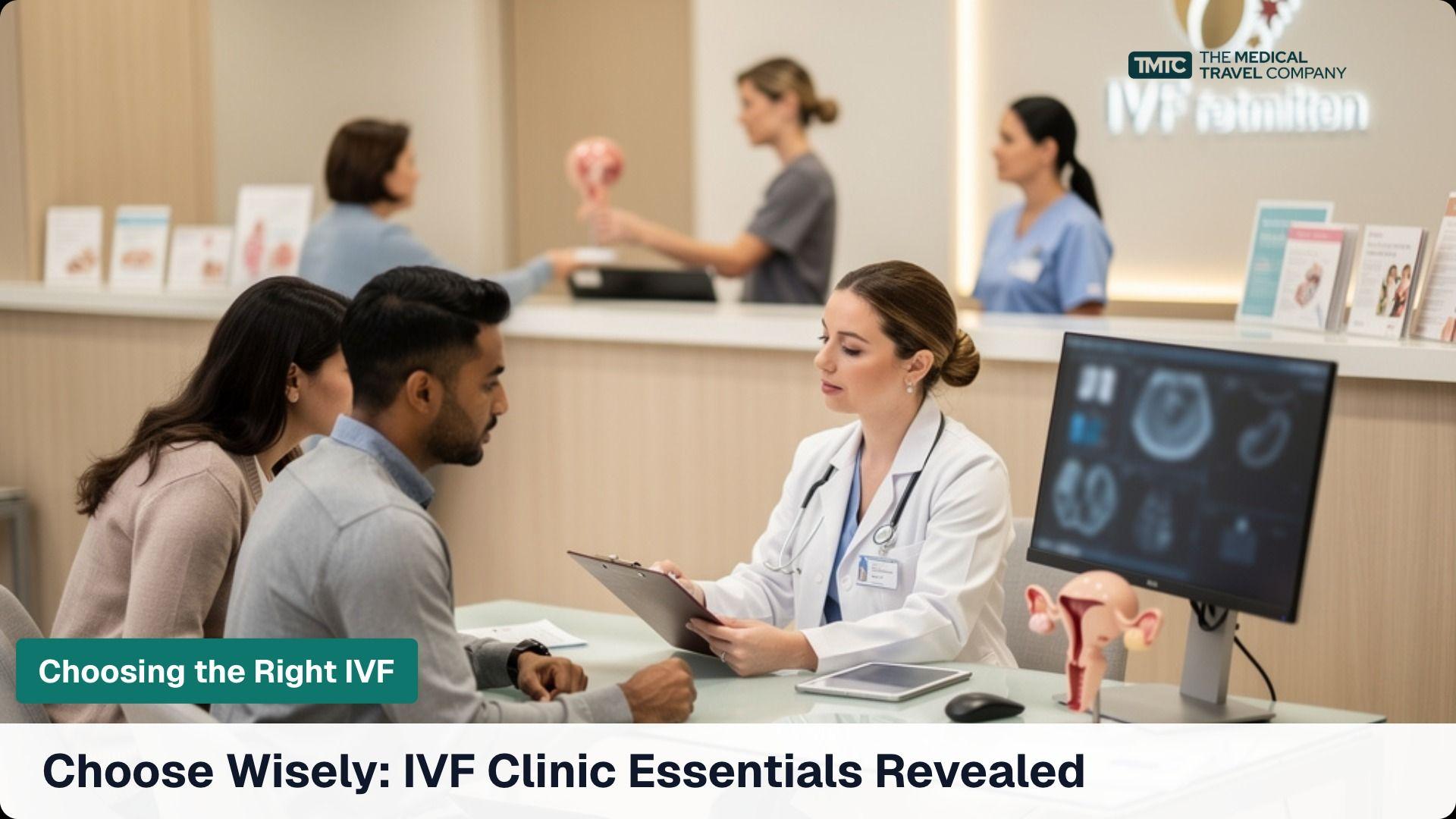
When you're facing infertility, choosing the right IVF clinic can feel overwhelming. With 1 in 6 people globally experiencing infertility, you're far from alone in this journey. The decisions you make about your fertility center will significantly impact both your treatment outcomes and overall experience.
Many couples spend months researching the perfect clinic, only to focus on factors that matter less than they think while overlooking what truly determines success. Understanding what genuinely impacts your chances of a healthy pregnancy — and what's simply marketing noise — will help you make confident, informed decisions about your fertility care.
Key Factors to Consider When Choosing an IVF Clinic
Not all fertility clinics are created equal. The differences between clinics can significantly impact your success rates, treatment experience, and financial investment. Here's what actually matters when evaluating your options.
Understanding IVF Success Rates
Success rates are crucial, but they're often misunderstood. The CDC maintains a federal database of fertility center success rates that provides standardized reporting across clinics. However, these numbers require careful interpretation.
Look for live birth rates per egg retrieval cycle, not just pregnancy rates. A clinic might boast high pregnancy rates, but what matters is taking home a healthy baby. Also consider your specific age group and diagnosis when reviewing statistics — a 25-year-old with unexplained infertility will have different success rates than a 40-year-old with diminished ovarian reserve.
Ask clinics how they define their success rates and what patient populations they include. Some centers cherry-pick their best cases or exclude certain challenging diagnoses from their reported statistics.
Evaluating Doctor Credentials
Your reproductive endocrinologist's experience and credentials directly impact your treatment quality. Look for board certification in reproductive endocrinology and infertility, which requires specialized fellowship training beyond general obstetrics and gynecology.
Experience matters significantly in IVF outcomes. Research shows that physicians who perform higher volumes of procedures typically achieve better results. Don't hesitate to ask about your doctor's specific experience with cases similar to yours. For couples seeking specialized care, consulting with experienced specialists like Dr. Sonu Balhara, who has over 31 years of experience in reproductive medicine, can provide valuable insights into treatment options.
Consider the clinic's approach to continuing education and staying current with the latest techniques. Fertility medicine evolves rapidly, and you want providers who actively participate in research and professional development.
The Importance of Laboratory Quality
The embryology lab is where the magic happens — literally. Your eggs and embryos spend critical days in this environment, making lab quality one of the most important factors in IVF success. ESHRE certification standards for ART centres emphasize strict laboratory protocols and quality control measures.
Ask about the lab's accreditation status and quality control procedures. Reputable labs maintain consistent temperature, air quality, and lighting conditions that mimic the natural environment of your fallopian tubes. They should also have backup systems for power outages and equipment failures.
Inquire about the lab's embryologist credentials and experience. The person handling your embryos should have specialized training and certification in embryology. Don't be afraid to ask about their fertilization rates, embryo development rates, and how they handle time-lapse monitoring.
Patient Reviews and Testimonials
While online reviews aren't everything, they provide valuable insights into the patient experience. Research on patient expectations and perceptions shows that communication, emotional support, and treatment coordination significantly impact satisfaction.
Look for patterns in reviews rather than isolated complaints or praise. Pay attention to comments about communication, wait times, billing transparency, and emotional support. Multiple mentions of the same issues — positive or negative — are worth noting.
Consider reaching out to support groups or online communities where you can ask specific questions about clinics you're considering. Current and former patients often provide honest, detailed feedback about their experiences.
Common Misconceptions About IVF Clinics
Many factors that seem important on the surface can mislead you in your clinic selection. Understanding these common misconceptions will help you focus on what truly matters for your success.
Decoding Success Rates
The biggest misconception about success rates is taking them at face value. Analysis of online fertility clinic information reveals significant variations in how clinics present their data, making direct comparisons challenging.
Some clinics report cumulative success rates across multiple cycles, while others focus on single-cycle results. Others might exclude certain patient populations or emphasize pregnancy rates rather than live birth rates. These differences can make a mediocre clinic appear exceptional or an excellent clinic seem average.
Age-specific data is crucial since success rates decline significantly with maternal age. A clinic with a younger patient population will naturally show higher overall success rates than one treating more women over 35, regardless of treatment quality.
Price as the Sole Indicator of Quality
Higher prices don't always guarantee better outcomes, and lower costs don't necessarily mean compromised care. Many excellent fertility centers offer competitive pricing while maintaining world-class standards. The key is understanding what's included in the quoted price.
Some clinics offer package deals that include multiple cycles, medications, and monitoring, while others charge separately for each component. Hidden fees for procedures like ICSI, embryo freezing, or genetic testing can significantly increase your final costs.
International options can provide exceptional value without sacrificing quality. Many couples find that IVF treatment in kenya offers significant savings while maintaining high success rates and excellent patient care standards.
Location vs. Quality
While convenience matters, choosing the closest clinic isn't always the best decision. The difference between a good clinic and an excellent one can be worth traveling for, especially considering that IVF typically requires only a handful of visits over several weeks.
Many couples successfully pursue treatment at clinics hours away from home, coordinating monitoring appointments with local providers when possible. The expertise and success rates at your chosen clinic matter far more than the commute time.
Consider that fertility treatment often involves flexible timing, and many clinics accommodate patients traveling from distant locations. Some even offer telemedicine consultations for initial evaluations and follow-up care.
Red Flags to Avoid When Choosing an IVF Clinic
- Guaranteeing pregnancy or success rates that seem too good to be true
- Refusing to provide specific success rate data or being vague about statistics
- Pressure to commit to expensive packages or multiple cycles upfront
- Limited communication or difficulty reaching staff with questions
- Outdated facilities or equipment that appears poorly maintained
- Inability to explain treatment protocols or answer technical questions
- No clear policies for embryo storage, disposal, or transfer between facilities
The Role of Infrastructure in IVF Success
The physical environment and systems supporting your treatment play a crucial role in outcomes. Modern facilities with proper infrastructure provide the foundation for successful IVF cycles.
Facility Standards
Accreditation from recognized organizations indicates that a clinic meets established standards for safety and quality. Look for accreditation from organizations like the College of American Pathologists (CAP) or the Joint Commission for hospital-based programs.
The clinic should maintain proper licensing for all procedures they perform and have policies for handling emergencies. Ask about their protocols for power outages, equipment failures, and other potential disruptions to embryo culture.
Clean, well-organized facilities reflect the attention to detail necessary for successful IVF. While luxurious amenities aren't essential, the clinical areas should be modern, clean, and well-maintained.
Equipment and Technology
State-of-the-art equipment genuinely impacts treatment outcomes. Time-lapse incubators allow continuous embryo monitoring without disturbing development. Advanced genetic testing capabilities enable preimplantation screening when medically indicated.
However, don't be swayed by technology for its own sake. The most important factor is how effectively the clinic uses its equipment and whether staff are properly trained on all systems.
Ask about backup systems and contingency plans. What happens if key equipment fails during your cycle? Reliable clinics have redundant systems and established protocols for equipment emergencies.
Hygiene and Infection Control
Strict infection control protocols are non-negotiable in fertility treatment. The clinic should follow standard precautions for all patient interactions and maintain sterile conditions in procedure rooms and the laboratory.
Air filtration systems in the embryology lab remove contaminants that could harm developing embryos. Ask about their air quality monitoring and maintenance schedules for these critical systems.
Staff should follow proper hand hygiene, use appropriate personal protective equipment, and maintain clean work environments. These basics might seem obvious, but they're fundamental to preventing complications that could jeopardize your treatment.
Creating Your IVF Journey: What to Expect
Understanding the treatment process helps you evaluate how well different clinics support patients through each phase of IVF. The best clinics provide clear guidance and personalized care throughout your journey.
Initial Consultation Process
Your initial consultation sets the tone for your entire treatment experience. Patient factors influencing fertility care decisions include feeling heard and understood during early interactions with healthcare providers.
A thorough consultation should include a complete medical history, physical examination, and discussion of previous treatments. Your doctor should explain all testing requirements and provide realistic expectations based on your specific situation.
Prepare questions about success rates for your age and diagnosis, treatment protocol options, costs, and timeline. A good clinic welcomes detailed questions and provides comprehensive answers rather than rushing through consultations.
Treatment Plans and Personalization
One-size-fits-all approaches rarely work in fertility medicine. Your treatment plan should be tailored to your specific diagnosis, medical history, and personal preferences. Experienced clinics develop personalized protocols rather than using standard approaches for everyone.
The clinic should explain why they recommend specific medications, dosages, and timing. Different stimulation protocols work better for different patients, and adjustments may be necessary based on your response to treatment.
Consider clinics that offer multiple treatment options beyond standard IVF. Depending on your situation, you might benefit from intrauterine insemination (IUI) treatment in Kenya as a first-line treatment or additional services like egg freezing for fertility preservation in Kenya.
Monitoring Progress Through Treatments
Regular monitoring ensures your treatment stays on track and allows for adjustments when needed. This typically includes blood work to check hormone levels and ultrasounds to monitor follicle development.
The clinic should have systems for prompt communication of results and clear instructions for medication adjustments. You shouldn't be left wondering about next steps or waiting days for important information about your cycle.
Ask about their protocols for emergency situations and after-hours communication. Fertility treatment doesn't always follow regular business hours, and you need access to medical guidance when questions arise.
At TMTC, we believe every patient deserves world-class care with expert guidance throughout their fertility journey. Our personalized treatment plans and seamless experience ensure you receive the support you need, when you need it most. — Dr. Sonu Balhara, IVF & Infertility Specialist
Final Thoughts and Call to Action
Choosing the right IVF clinic requires careful research and consideration of factors that genuinely impact your success. Focus on laboratory quality, physician experience, and transparent communication rather than marketing promises or convenient locations alone.
Remember that the most expensive option isn't always the best, and the closest clinic might not offer the expertise you need. Many couples find exceptional value and care through international treatment options that provide affordable healthcare without compromising on quality standards.
Take time to research thoroughly, ask detailed questions during consultations, and trust your instincts about the clinic's approach to patient care. Your fertility journey is deeply personal, and you deserve providers who treat you with respect, transparency, and genuine commitment to helping you achieve your family goals.
Whether you're just beginning to explore IVF options or ready to move forward with treatment, choosing the right clinic is one of the most important decisions you'll make. With careful evaluation and expert guidance, you can find a fertility center that offers both excellent outcomes and the supportive care you deserve throughout this important journey.
References
-
STAT News- Federal database information and IVF regulation needs
-
PMC - ESHRE Certification Standards- Laboratory and clinical practice certification requirements
-
PMC - Patient Expectations Study- Research on patient perceptions and expectations of IVF clinics
-
PMC - Online Information Analysis- Study on success rates presentation in fertility clinics
-
PMC - Patient Decision Factors- Factors influencing patient decisions to seek fertility care
Ready to open the door to better health?